
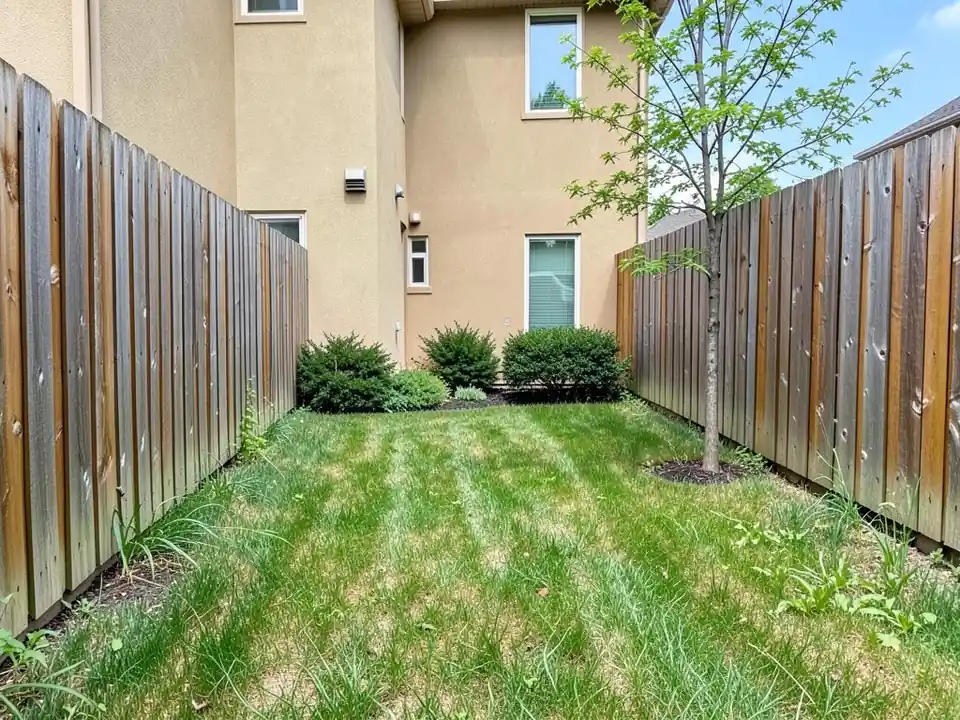
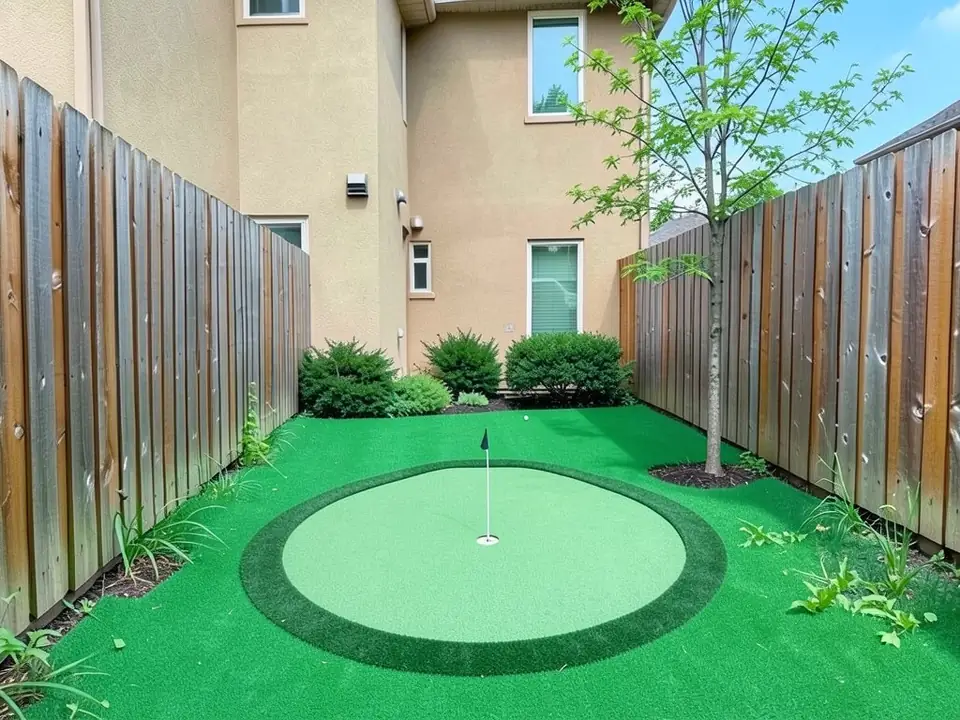
What a turf visualizer is for
Synthetic grass is hard to undo, and a sample square tells you little about how a whole yard of it will look next to your siding, beds and driveway. A visualizer answers the first question: do you like the look on your house, and where should the turf stop?
Ours is an AI photo editor, not a quoting tool. It repaints the lawn from your description, which makes it good for comparing options (all turf or turf plus beds, pavers or gravel) and for showing family or a contractor what you mean.
How to preview artificial grass on your yard
There is no one-click turf preset in the tool yet. You get turf through Custom mode, where your own written instruction becomes the design brief.
- Photograph the lawn in daylight from where you usually see it, with the phone level and the edges you care about (sidewalk, beds, fences) in frame. JPG or PNG works.
- Open the landscape tool and sign in with Google or an email code. You get 1 free render with a free account.
- Pick Custom, type what you want in the Custom Design Requirements box, then upload your photo. Name the turf color, the edging and anything to add, and say which things must not change (house, fences, trees, camera angle). The instructions further down are a good starting point.
- Generate, compare the result with your photo, then change one detail at a time, such as the edging material or the size of a play area, and run it again.
Turf choices worth testing in a preview
- Green tone: Turf ranges from bright green to olive blends, often with tan fibers mixed in to look like thatch. A shade that looks fine on a sample can look fake across a whole front yard, so try two.
- Pile height and finish: Taller, fuller blades read as a lush lawn; shorter, denser pile looks neater and is what pet and play products usually use. Describe the look ("short dense turf" or "thick lush turf") in your instruction.
- Edging: The edge decides whether turf looks finished. Compare a paver or brick border, a thin steel or plastic edge, and a gravel strip along fences or the house.
- How much lawn to replace: Turf does not have to cover everything. Keeping planting beds, a tree ring or a gravel path breaks up the green and leaves room for soil and roots.
- A pet zone: If a dog uses one corner, preview turf only there with a gravel border, and leave the rest of the yard as it is.
- A putting green: A small green with a darker fringe fits in a side yard or a corner of a backyard. Ask for one or two holes and a flag, and decide where the ball will roll off.
Artificial turf: the real pros and cons
A picture can make any lawn look perfect, so here is the other side before you commit.
- Pro: no mowing or reseeding: It stays green and even through drought and foot traffic, with no fertilizer.
- Pro: less watering: It needs no irrigation to stay green, though pet areas still need rinsing.
- Pro: no mud: A dog run or play area stops turning to mud after rain, as long as the base underneath drains.
- Con: heat in full sun: Synthetic grass gets much hotter than living grass. A University of Florida (UF/IFAS) turfgrass researcher says artificial turf can reach about 174°F on the hottest summer days, against about 102°F for natural grass. Plan shade or limit midday use for kids and pets in sunny, hot climates.
- Con: infill and upkeep: Many turf products use sand or another infill that must be topped up over time, and you still clear leaves, brush the fibers and clean up after pets.
- Con: drainage and pet odor: Urine and rain must drain through the backing into the base. A poorly prepared base, or a busy dog area that is not rinsed, can start to smell. Ask installers how they handle pet areas.
- Con: upfront cost: Turf, lawn removal, a compacted base, edging and labor are paid all at once.
- Con: not alive: It does not cool the yard or feed insects and birds like plants do, and it becomes waste when worn out.
- Debated: under trees and in shade: Some people pick turf because grass will not grow under their trees; others say leaves, sap and roots make it harder to keep. For a heavily shaded lawn, ask an installer about your trees.
Questions to ask before you get turf quotes
- How big is the area?: Measure the length and width of each patch you want covered so every installer quotes the same thing.
- What is included?: Ask whether lawn removal, base, weed barrier, edging and infill are in the price, and how deep the base will be.
- How will it drain?: Especially for pet areas and yards where water already pools.
- What does the warranty cover?: Ask about fading, backing and workmanship, and for how many years.
- Are there rules?: Some HOAs and towns restrict artificial turf in front yards, and some water utilities only pay lawn-replacement rebates for living plants. Check before you sign.
- Will anyone dig?: In the US, call 811 before any excavation so buried lines are marked.
What the AI preview can and cannot tell you
The edited image shows the overall look: color, edges and how turf meets your house and beds. It does not measure the yard, price the job or show how a product feels, drains or ages, and the turf it draws is not any real brand. It can also miss small areas or change details you did not ask for, so check each result against your photo. Use it to pick a direction, then compare real samples and quotes.
Turf instructions to paste into Custom mode
In the landscape tool, choose Custom, paste one of these into the Custom Design Requirements box, then upload your yard photo. Swap in your own edging, colors and the parts of the yard you want covered.
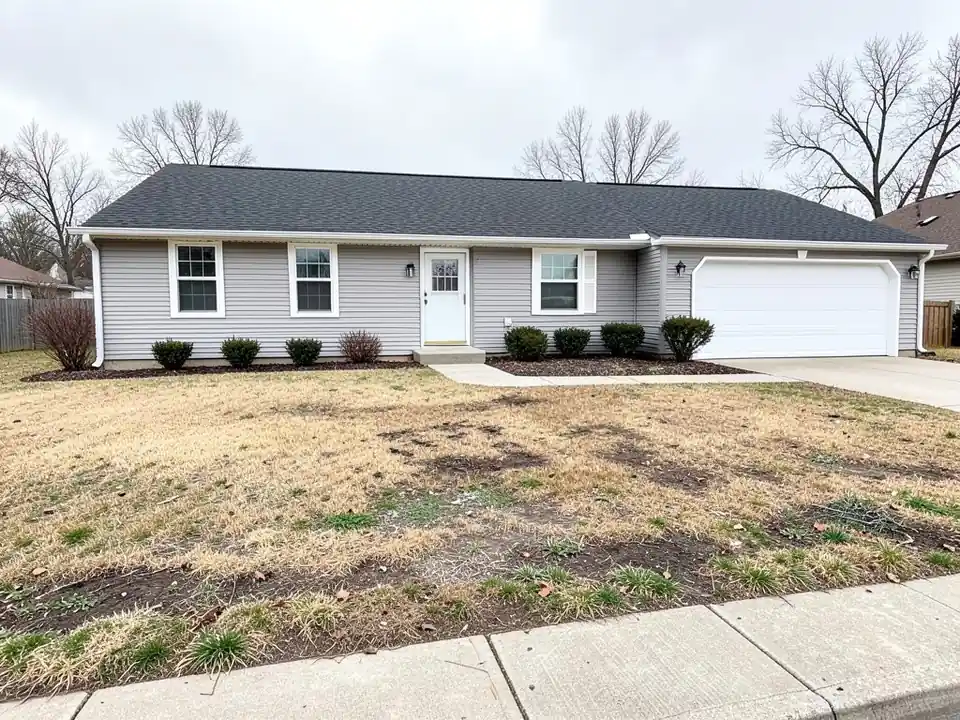
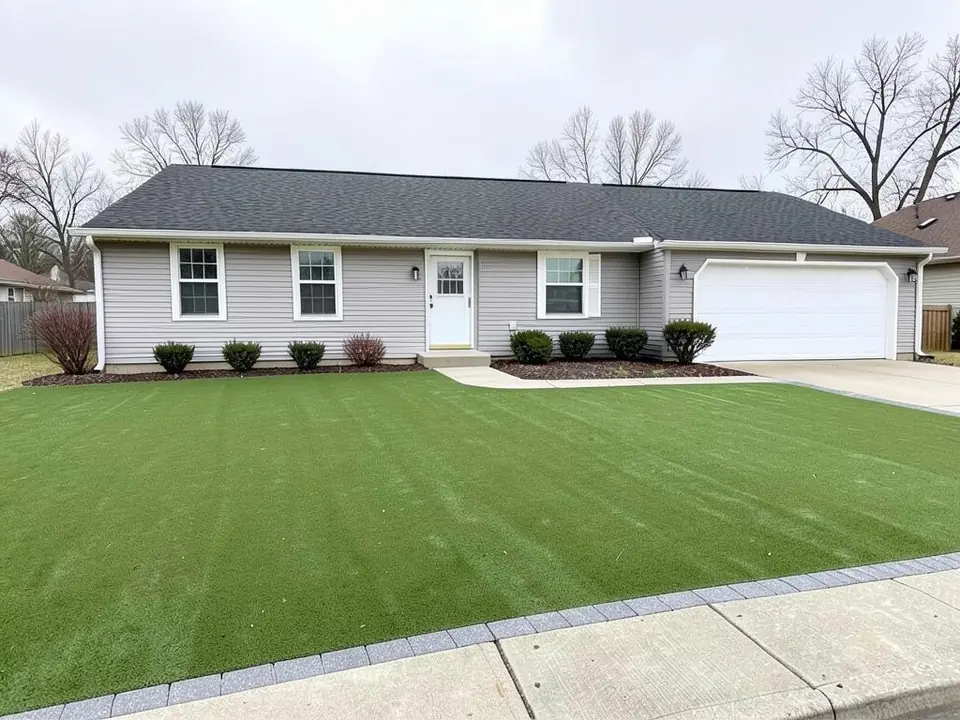
- Replace the whole front lawn with realistic artificial turf in a natural medium green with a few tan fibers, even from the house beds to the sidewalk, and add a border of gray pavers along the sidewalk and walkway. Keep the house, shrubs, driveway, trees, sky and camera angle the same.
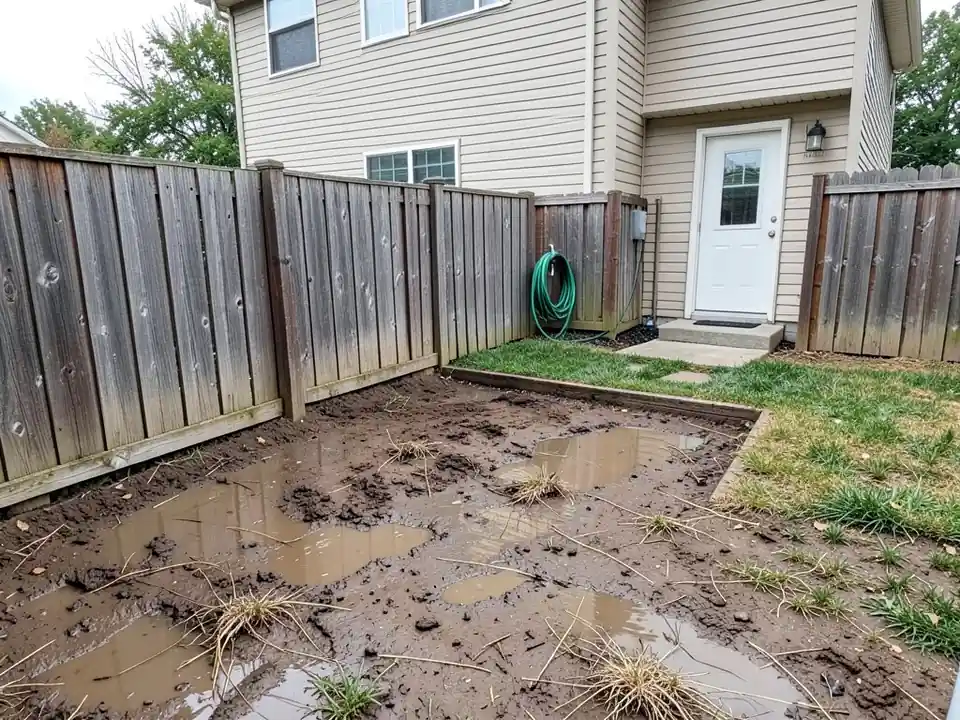
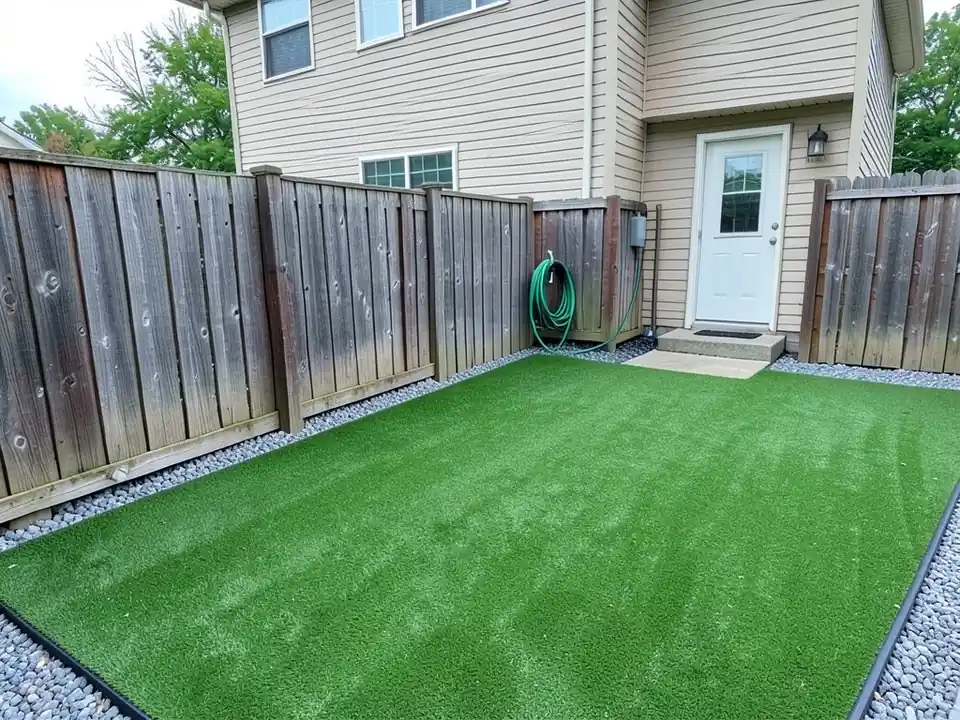
- Turn the muddy area along the back fence into a dog run of short, dense artificial pet turf with a strip of gray pea gravel along the fence and a black edging strip. Keep the rest of the yard, the house, fence, door and camera angle the same.
- Cover the lawn with bright green artificial turf and add a small putting green in the middle, with shorter, smoother turf, a darker collar, one hole and a flag. Keep the house, plants, tree, fences and camera angle exactly the same.
Frequently asked questions
Is artificial turf worth it for a front yard?
It depends on climate, use and local rules. It suits a small front lawn that is hard to keep green better than a large lawn in full, hot sun. Some HOAs and towns limit turf in front yards, so check first, and preview it on a photo of your house to see if you like the look.
What are the pros and cons of artificial grass?
Pros: no mowing, little watering, no mud and an even look all year. Cons: much more heat in direct sun, infill top-ups and cleaning, odor risk in pet areas without good drainage, a higher upfront cost, and no cooling or wildlife value.
How much does artificial grass cost?
Prices vary a lot by region, product, the size and access of the yard, and how much base preparation the site needs. Removal of the old lawn, base material, edging and labor are often a large part of the total. Measure the area and ask two or three local installers for itemized quotes.
How long does artificial turf last?
Lifespan depends on the product, how much sun and traffic it gets, pet use and how well it was installed and maintained. Ask each installer what lifespan they expect for your use and what the written warranty covers, such as fading and the backing, and for how long.
Is artificial turf safe for pets?
Many owners use it for dog runs, but plan for hot surfaces in summer sun and urine odor if the area does not drain or is not rinsed. Ask installers about pet turf, drainage and infill, and make sure your pet has shade and water.
Does artificial turf get hot in summer?
Yes. In direct sun it gets much hotter than living grass. A University of Florida (UF/IFAS) turfgrass researcher says artificial turf can reach about 174°F on the hottest days, against about 102°F for natural grass. Rinsing cools it only briefly. Shade from trees or sails helps.
How accurate is an AI turf visualizer?
It is accurate enough to judge the overall look: color, edging and how much of the yard to cover. It is not a measured plan or a product match. The turf is drawn by the AI, and small details of your photo can shift between versions, so use real samples to choose the product.
Do I need an account, and is it free?
You need an account, and it is free: 1 free render with a free account, and free renders carry a watermark. More renders and no watermark come with a paid plan.