
Drainage comes first
Succulents rot in wet ground. Gardening Etc says the site must be free draining and warns against clay or waterlogged spots unless you improve them, and quotes Louise Curley of Amateur Gardening: excess water can be a problem, so improve drainage by adding plenty of grit or gravel. Sunset says succulents do well in rock gardens with thin, poor soil, and Home for the Harvest suggests succulent groundcover only where the soil drains well.
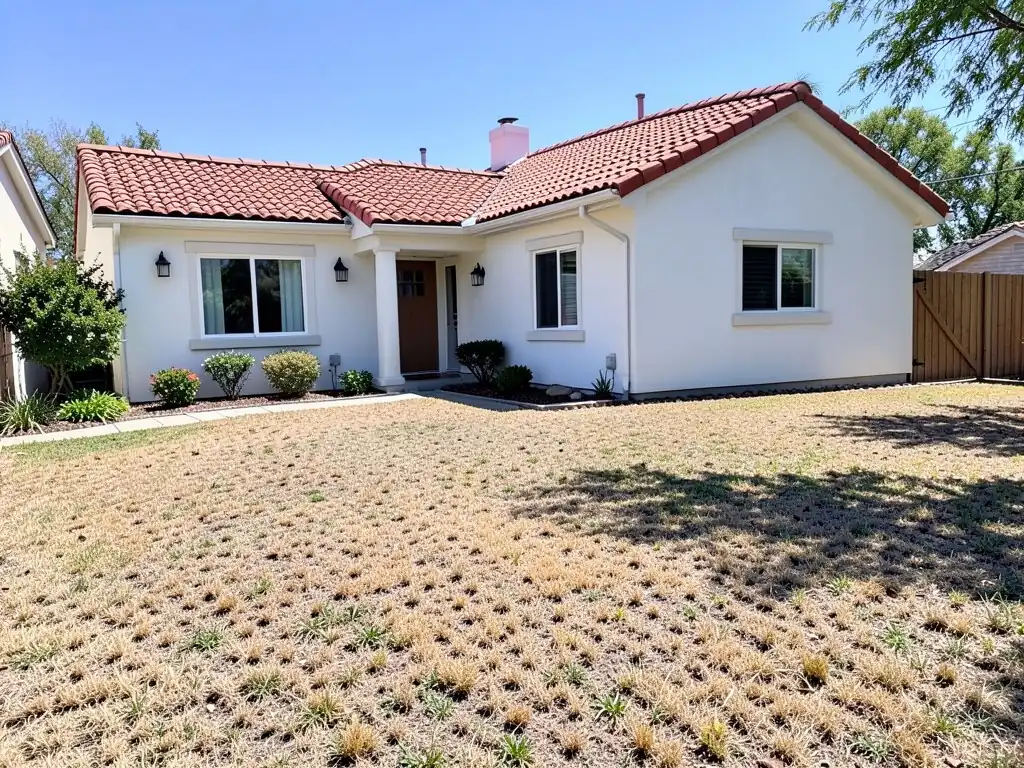
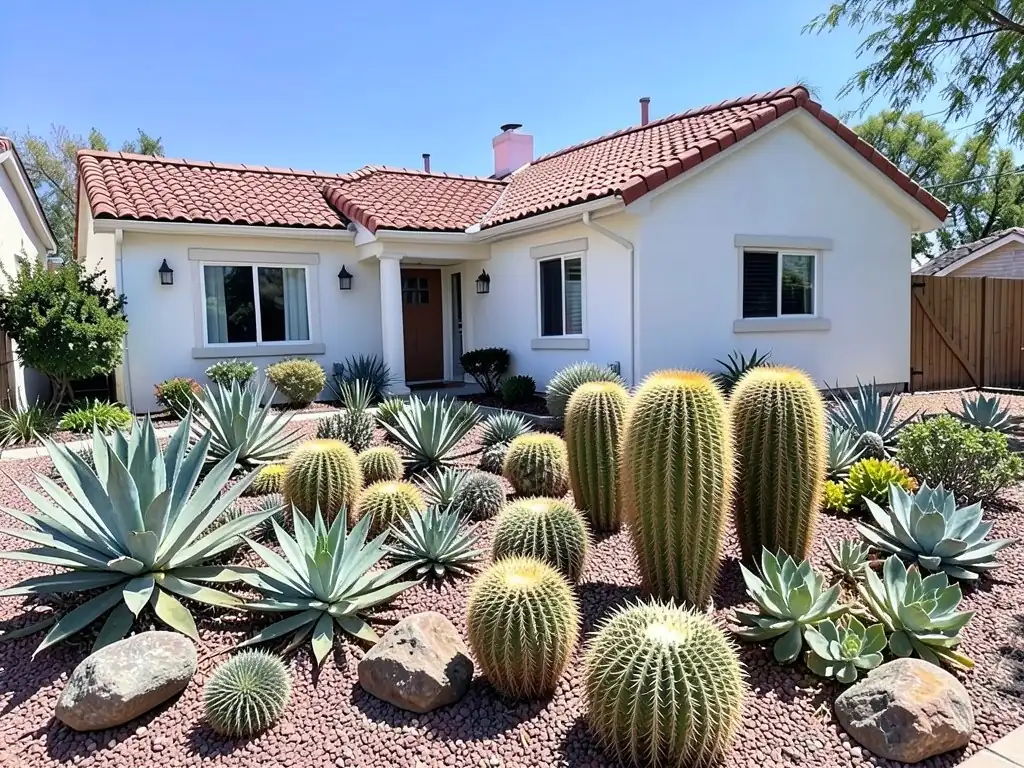
Gardening Etc adds that a layer of gravel or stone helps air move around the rosettes, cuts rot and mud splash and keeps weeds down. Our first example covers the old lawn in gravel with boulders between the plants.
Sun and frost
Gardening Etc suggests a spot with around six hours of sun a day. Sunset says full sun is fine for most agaves and aloes, while aeoniums and echeverias prefer partial shade in hot inland areas.
Sunset also says most succulents need frost protection, though some stonecrops (sedums) and sempervivums tolerate bitter cold. Airtasker lists crassula, echeveria, aeonium and aloe among the succulents that do poorly in the cold, with agave and stonecrop more cold tolerant, and suggests asking a local nursery what does well near you. In cold areas, both Sunset and Louise Curley suggest growing tender kinds in pots you can move under cover for winter.
Succulent beds in place of a lawn
A tired front lawn is a common place to start. Airtasker shows front yards that mix agaves, golden barrel cactus, columnar cactus and blue senecio in gravel, and Gardening Etc suggests pairing succulents with cacti for height and texture.
Living Etc quotes horticulturist Debra Lee Baldwin on using texture to build contrast, repetition and focal points, so mix spiky agaves with soft rosettes and repeat each plant a few times. Our first example does this, though it added tall cacti we did not ask for and left out the aloes. For a whole desert front yard, see our desert landscaping ideas page.
Succulents on a slope
Sunset says ice plants are a favorite on slopes for their spring flowers, describes blue senecio (Senecio mandraliscae) spreading like blue rivers and agaves forming bands on rocky slopes in full sun. Home for the Harvest suggests planting smaller succulents en masse as groundcover, where they spread to fill gaps once settled.
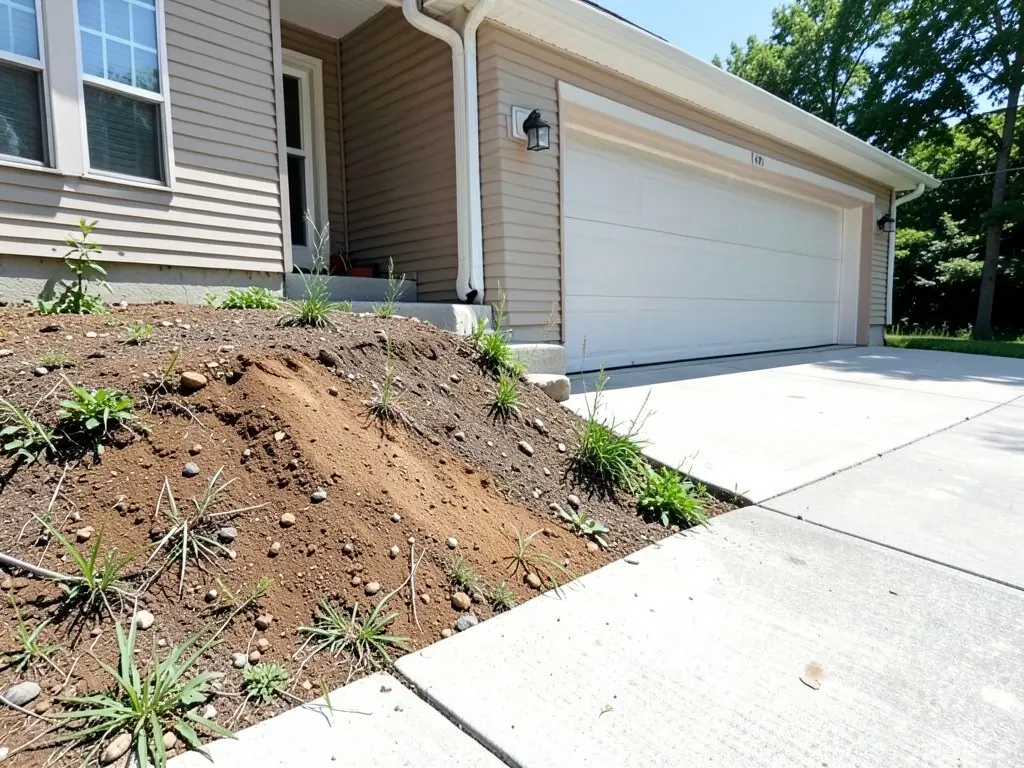
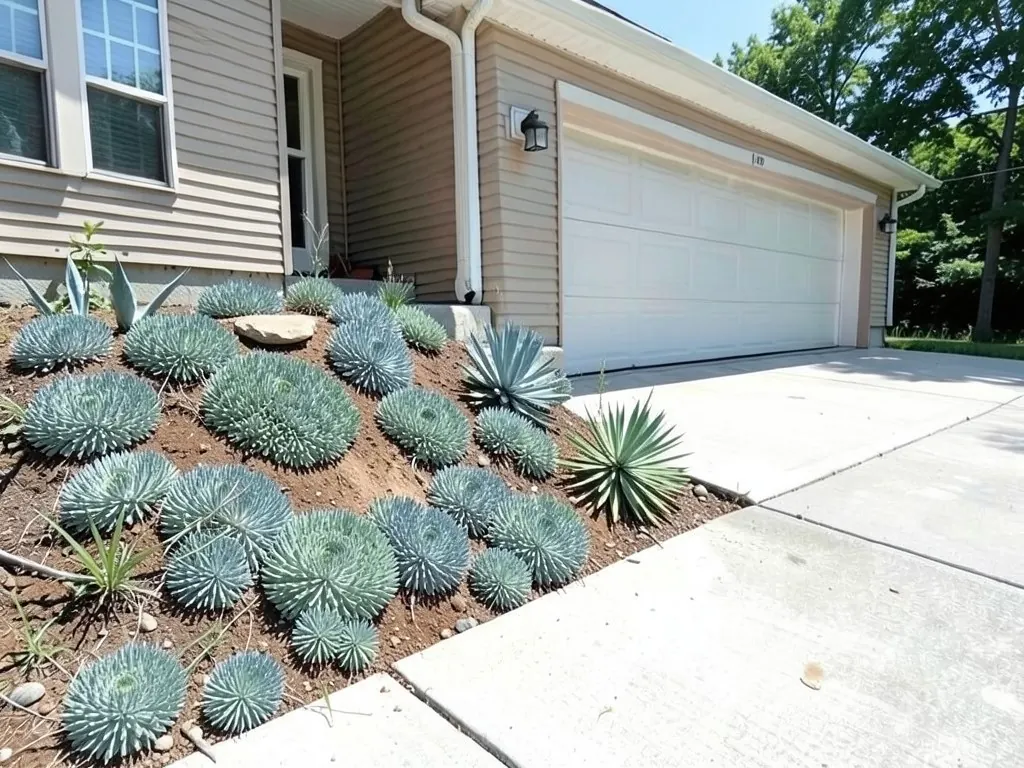
The Weber Basin Water Conservancy District lists Red Mountain ice plant as about 2 inches tall, 12 to 20 inches wide and hardy in USDA zones 5 to 10. Gardening Etc notes that a sloping gravel site needs terracing built into the layout. Our second example covers a driveway slope in drifts of blue-grey groundcover, but it did not draw any ice plant. For steeper ground, see our sloped backyard ideas and retaining wall ideas pages.
Container groupings
Pots suit a patio, and they let you move tender plants. Gardening Etc says containers need drainage holes, a gravel base and gritty compost, and that they dry out faster than beds, so check them often. Airtasker suggests a fast-draining cactus mix and sparing watering for potted succulents.
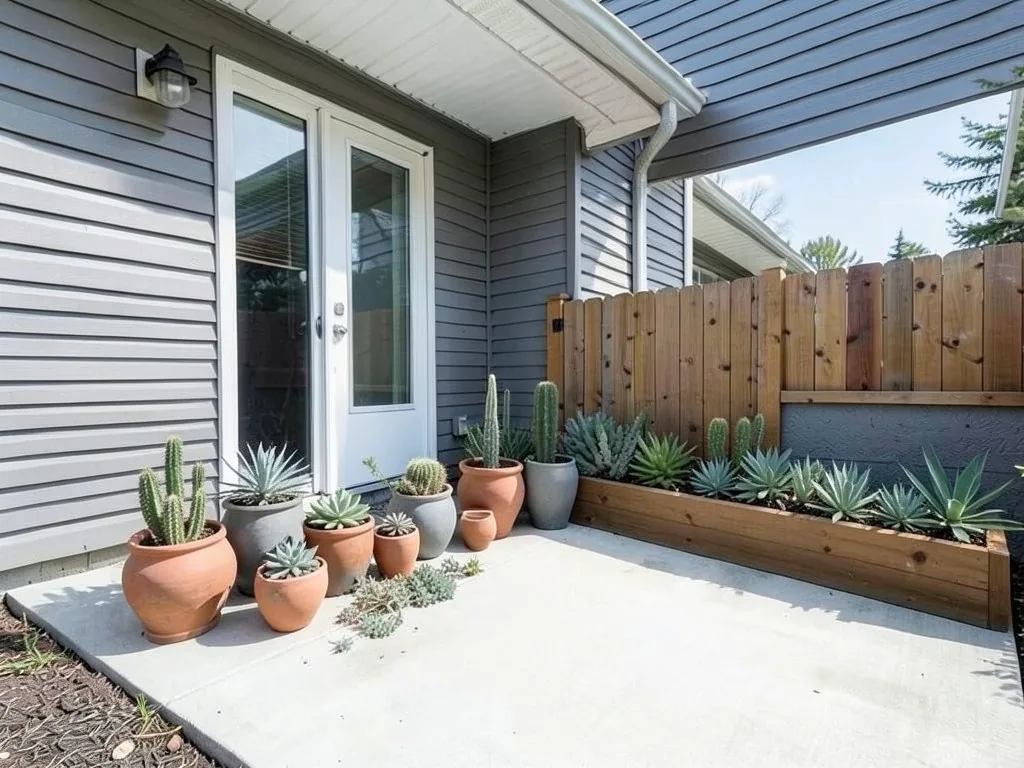
- Mix sizes: Our third example groups nine pots of different heights in terracotta and grey, with taller cacti at the back.
- Mix plants with similar needs: Home for the Harvest suggests mixing species in one pot for shape and color, as long as they need the same light and water.
- Add a low bed: A low raised bed along a fence or wall, as in our third example, carries the planting beyond the pots.
How to try a succulent garden on your own photo
The tool above is already in Custom mode. The Yard Redesign styles have no text box, so you cannot ask for agaves, golden barrel cactus and gravel there. Custom lets you name the change, the plants, where they go and what must stay the same.
- Take the photo in daylight from the street, the driveway or the back door, with the lawn, slope or patio you want to change in frame.
- Describe the change in the Custom Design Requirements box: what may change (the lawn, the slope, the patio), which succulents and stones to add, where they go, and what must stay the same, such as the house, the driveway, the steps and the camera angle.
- Upload your photo under Upload Your Garden Image and click Generate Custom Design. You sign in with an email code or Google when you generate.
- Compare the result with your photo. If it left out a plant, added tall cacti or hid your steps, name the plant again, say what must stay visible, and try again.
What the AI can and cannot do
The AI shows a look: roughly how a succulent bed, a planted slope or a group of pots would sit in your own yard. That helps you choose between ideas and talk them through with a nursery or a landscaper.
It does not know your frost dates or soil, check drainage, pick plants that survive your winter or measure the yard. It also does not always follow the instruction: in the examples above it left out the aloes and the ice plant, added tall cacti we did not ask for, and spaced the slope plants out with bare dirt and weeds between them; on the first try it also added flowers we did not ask for and hid the front steps. Treat the result as a picture of an idea.
Succulent garden instructions to paste into Custom mode
These are the exact instructions we used for the three examples above, in the same order. In the tool above, Custom is already selected: paste one into the Custom Design Requirements box, then upload your photo. Swap in your own plants, positions and what must stay.
- Replace ONLY the lawn with a succulent garden: agaves, aloes, echeverias and golden barrel cactus in groups on decomposed granite, with a few boulders. Keep the house, the roof and the camera angle exactly the same.
- Cover ONLY the bare dirt slope with succulent groundcover: ice plant, sedum and blue chalk sticks in drifts, with a few agaves and flat rocks. Keep the house, the garage door, the driveway and the camera angle exactly the same.
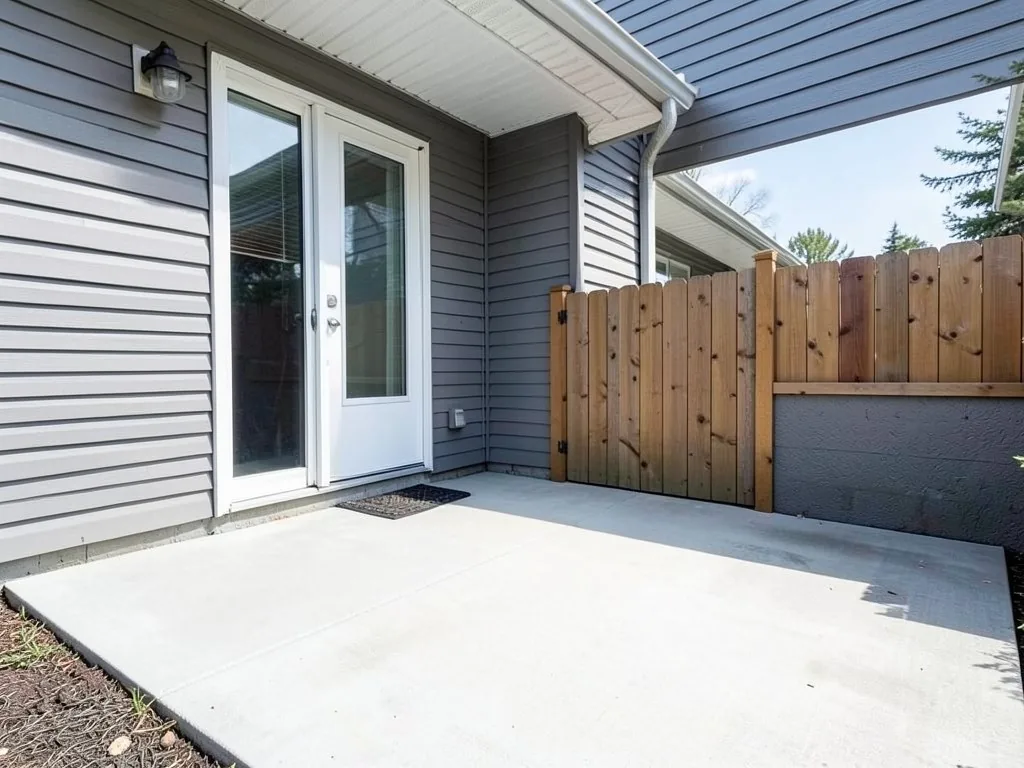
- Add ONLY a group of terracotta and grey ceramic pots of different sizes on the patio, planted with succulents and cacti, and a low raised bed of succulents along the fence. Keep the house, the patio surface, the fence and the camera angle exactly the same.
Frequently asked questions
What soil do succulents need outdoors?
Free-draining soil. Gardening Etc says to avoid clay or waterlogged spots unless you improve them, and quotes Louise Curley suggesting plenty of grit or gravel to improve drainage. Sunset says succulents do well in thin, poor soil.
How much sun does a succulent garden need?
Gardening Etc suggests around six hours of sun a day. Sunset says most agaves and aloes are fine in full sun, while aeoniums and echeverias prefer partial shade in hot inland areas.
Can succulents survive frost?
Some can. Sunset says most succulents need frost protection, but some stonecrops and sempervivums tolerate bitter cold. Airtasker lists crassula, echeveria, aeonium and aloe as poor in the cold. Ask a local nursery what survives your winter.
What succulents work on a slope?
Sunset names ice plant, blue senecio and agaves on dry slopes. Gardening Etc notes that a sloping gravel site needs terracing. Our second example shows succulent groundcover on a driveway slope.
How do I plant succulents in pots outside?
Gardening Etc says to use pots with drainage holes, a gravel base and gritty compost, and to check them often because pots dry out faster than beds. Pots also let you move tender plants under cover in winter.
Can the AI tell me which succulents will grow in my yard?
No. It draws the look you describe on your photo. It does not know your frost dates, soil or drainage, and it does not always follow the instruction, as the captions above show.
Do I need an account, and is it free?
Create a free account with an email code or Google to generate. You get 1 free render, and free renders carry a watermark. More renders and no watermark come with a paid plan.