
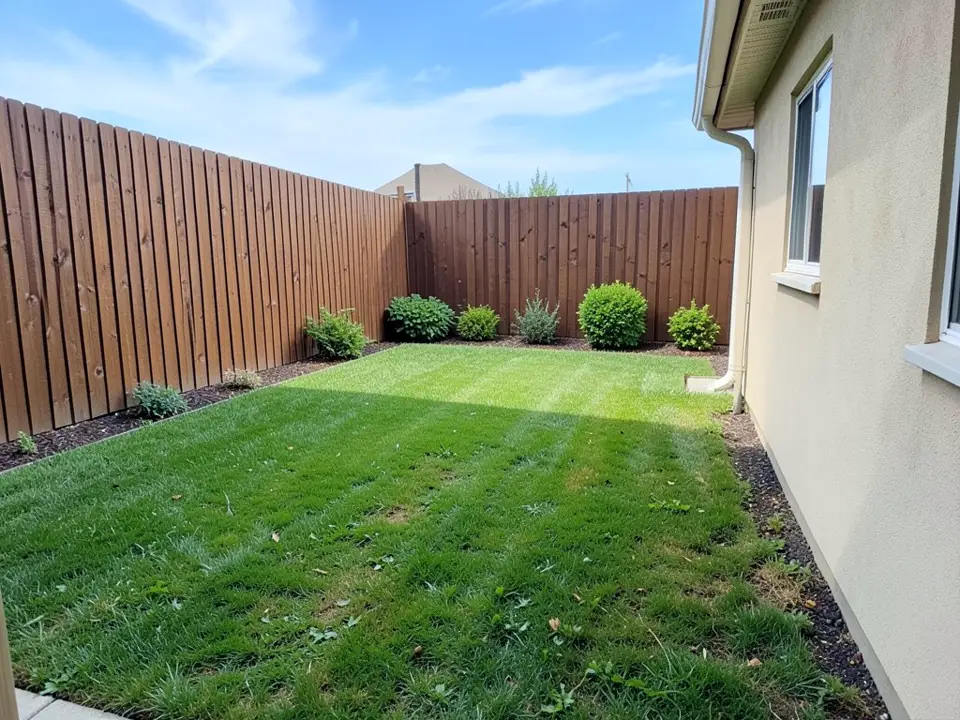
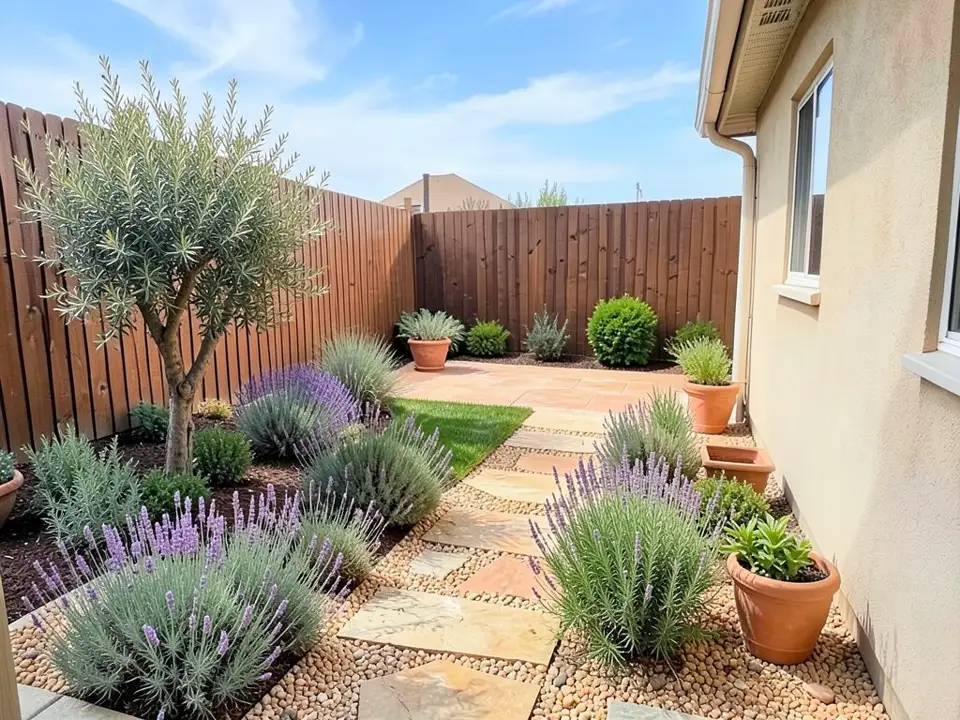
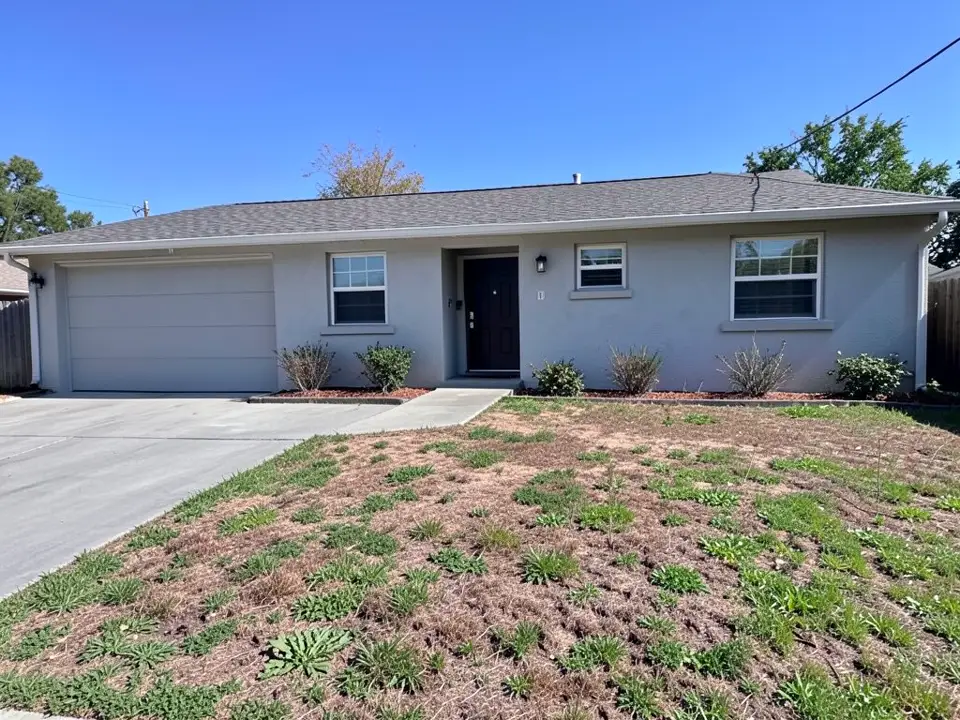
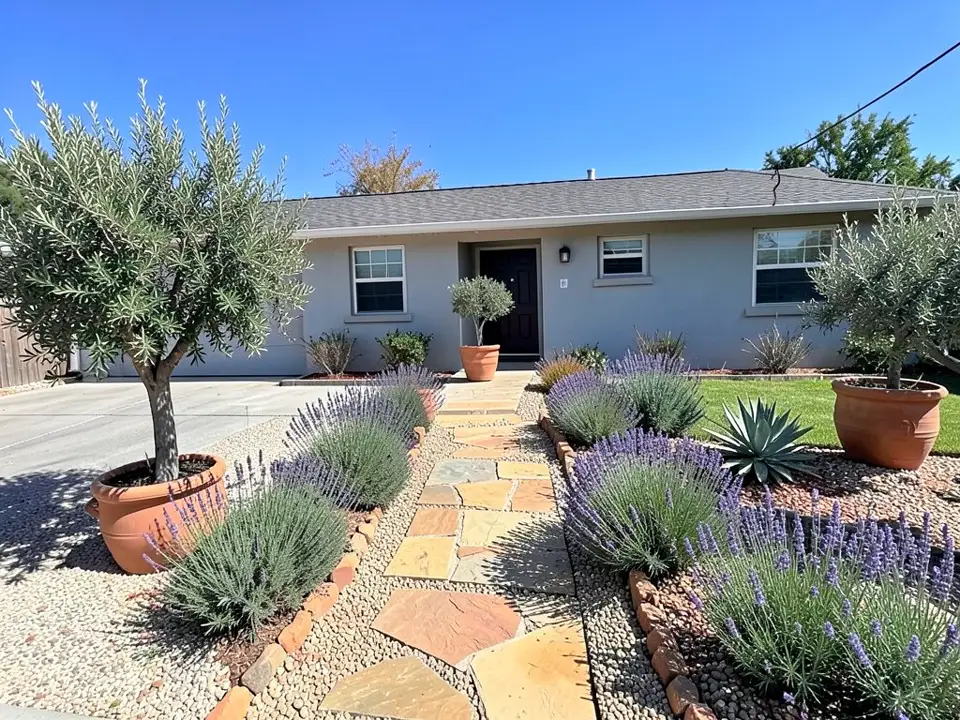
What makes a garden look Mediterranean
Four things carry the look. First, the plants: sun lovers with small, silvery or gray-green leaves, a few strong shapes such as an olive or a narrow cypress, and flowers in just one or two colors. Second, the ground: gravel and stone in place of lawn, on soil that drains fast. Third, warm materials: sandy stone, terracotta and sun-bleached wood. Fourth, repetition: the same few plants used again and again, which is what makes it look calm rather than busy.
You do not need a hot, dry garden to borrow the style, but the closer your yard is to full sun and free-draining soil, the easier the plants will be.
Plants for a Mediterranean garden
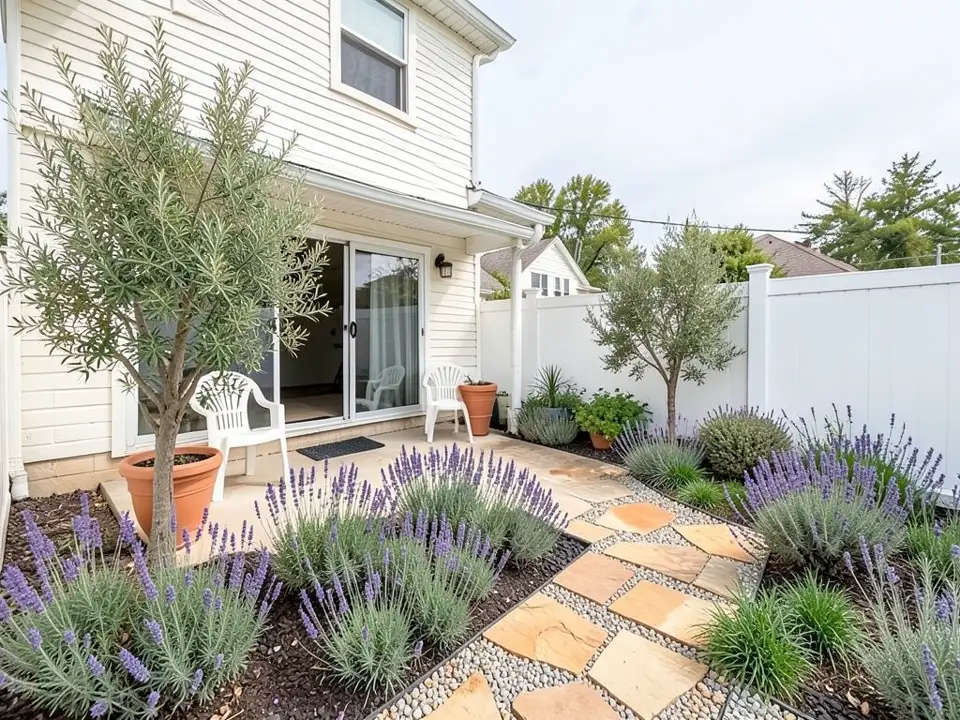
- Olive trees: The signature tree. Evergreen and drought-tolerant, but it wants a warm, sunny, sheltered spot, so in cold areas grow it in a large pot you can move under cover for winter (our second example uses potted olives).
- Lavender: Needs plenty of sun and soil that drains quickly. English lavender is usually the hardier choice; French types do better in pots.
- Rosemary, thyme, oregano and sage: Low, scented herbs that cope with dry soil. Plant them along a path so you brush past them.
- Silver foliage: Santolina, artemisia and Russian sage give that pale, sun-washed color between greener plants.
- Upright accents: Italian cypress, yucca or an agave add height or a strong shape. Check how big they get before planting near a path.
- Fruit in pots: Lemons, oranges and figs suit the look; in cold climates keep citrus in containers you can bring indoors.
- Grasses and self-seeders: Fine grasses such as stipa, plus small flowers that seed themselves into gravel, soften the edges.
Gravel, stone and paths
Gravel is one of the simplest ways to change the feel of a yard, and it suits plants that hate wet roots. Lay it over a weed barrier or a well-prepared base, and edge it with steel, brick or stone so it stays out of the lawn. A path of flat stones set in gravel, like the ones in all three examples, looks right and lets rain soak in.
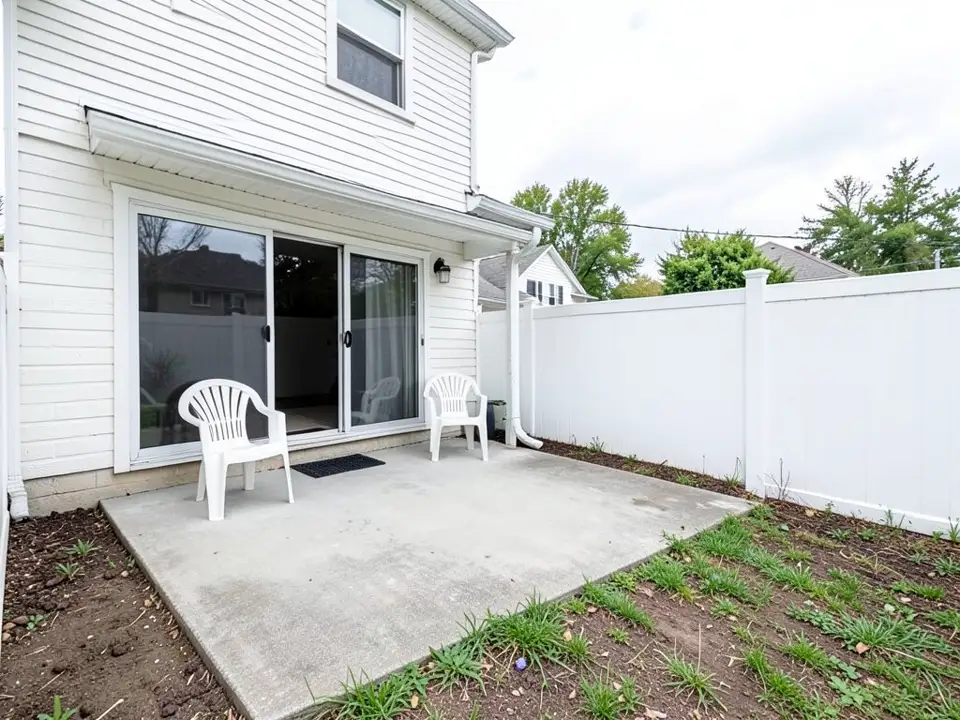
For a sitting area, choose sandy or warm-toned stone, or terracotta-colored pavers. Cool gray concrete can stay; pots, herbs and lavender around its edges will warm it up.
Pots, color and finishing touches
Terracotta pots are the quickest win. Group several sizes together by a door, a step or the corner of a patio rather than spreading them out one by one. Plain terracotta can crack in hard frost, so if your winters freeze, look for frost-resistant pots or move them under cover.
Keep flower colors simple: purple lavender against silver leaves, perhaps with a splash of white, blue or orange. Painted tiles, a small fountain or a bench of warm wood are nice extras, but none of them is required.
Mediterranean front yard ideas
A front yard with a tired lawn is a good candidate, as our second example shows: gravel beds with lavender, a stone path to the door and a pair of potted olives or other small trees framing the entry. Keep the path wide enough to walk comfortably and keep plants low near the driveway so you can see when backing out. If you have an HOA, check its rules on replacing lawn before you start.
Making it work in a cold or humid climate
- Cold winters: Choose hardy lavender types, grow olives and citrus in pots you can move to a frost-free place, and lean on hardy gray-leaved plants for the look.
- Heavy or wet soil: Mediterranean plants dislike sitting in water. Plant on a low mound or in raised beds, and add gravel around the crowns.
- Hot and humid: Lavender often struggles in humid heat. Russian sage or anise hyssop give a similar purple-and-silver effect.
- Shade: Most of these plants want full sun. In a shady corner, keep the style with gravel, stone and pots, and choose plants that are suited to shade.
Before you start: what to check
- Call 811 first (US): Get buried utility lines marked a few business days before you dig beds, set edging or plant a tree.
- Sun and drainage: Watch where the sun falls over a day, and check whether puddles linger after rain. Both decide which plants will thrive.
- Water while plants settle: Even drought-tolerant plants need regular watering in their first season. Make sure a hose reaches the new beds.
- Weeds under gravel: Clear perennial weeds before laying gravel, and expect some weeding afterwards.
How to try a Mediterranean garden on your own photo
The landscape tool has a Mediterranean style built into its default Yard Redesign mode, so there is nothing to write. We sent the same style text to our own AI model to make the three examples above; the tool’s default model may give different results.
- Take a photo in daylight of the part of the yard you want to change, with the house, path or patio in frame.
- Open the landscape tool and sign in with Google or an email code. You get 1 free render with a free account.
- Under Select Landscape Mode, keep Yard Redesign.
- Under Choose a Landscape Style, pick Mediterranean.
- Upload your photo under Upload Your Garden Image and click Redesign My Yard.
- To change only one corner or name your own plants, pick Custom instead, describe what you want in the Custom Design Requirements box and click Generate Custom Design.
What the AI can and cannot do
The AI shows a look: roughly how olive trees, lavender, gravel and stone would sit around your own house, which helps you decide and explain what you want to a nursery or landscaper.
It is not a plan. It does not measure anything, it does not know your climate, and it does not always follow the style: in our examples it drew one olive tree where the style asks for several, and rosemary was hard to find. It usually keeps the house as it is, but not always everything around it, as the front yard and patio examples show. The tool offers several AI models, and results vary between models and from one run to the next. Check the result against your photo.
What the Mediterranean style tells the AI
When you pick Mediterranean in Yard Redesign mode, this is the style instruction the tool sends with your photo, word for word; the backend adds a few general words about a professional, well-balanced makeover. We used it for all three examples above. To steer the result, for example to keep your lawn or change one corner only, choose Custom and write your own version in the Custom Design Requirements box.
Redesign the landscaping of this yard in a Mediterranean style: olive trees, lavender, rosemary, terracotta pots, gravel and warm stone paving. Keep the house, windows, doors, roof, driveway, sidewalk, fences, sky and camera angle exactly the same; only change the lawn, plants, garden beds, garden paths and patio
Frequently asked questions
What plants make a garden look Mediterranean?
Sun lovers that cope with dry soil, many with silver or gray-green leaves: olive, lavender, rosemary and other herbs, santolina, artemisia, salvias and euphorbias, with upright accents such as Italian cypress or yucca. Homes & Gardens recommends a limited range of plants repeated through the garden, and UF/IFAS Extension calls rosemary a must.
Can I grow olive trees and lavender in a cold climate?
Often, with care. The RHS says olives need a warm, sunny, sheltered spot, and in cool climates suggests growing them in large pots kept outside in summer and moved somewhere frost-free for winter. For lavender, it says English types are usually hardy, while French and other less hardy types are best in containers kept frost-free over winter.
Will lavender grow in a hot, humid climate?
It often struggles. UF/IFAS Extension says lavender does not grow well in Florida; it suggests Russian sage in North Florida and, as an even better fit, anise hyssop.
Do I have to replace my whole lawn?
No. Homes & Gardens notes that you can change the hard landscaping in stages, and give the look to one small area or to the whole garden. A gravel bed by the door, a group of terracotta pots or a stone path is enough to start.
Is a Mediterranean garden low maintenance?
It can be easy to care for once plants are settled, because the classic plants like dry soil, but it is not work-free. New plants need watering while they establish, gravel needs some weeding, and Peter Jones of RHS Garden Wisley, quoted by Homes & Gardens, advises pruning lavender and rosemary after they flower so they do not become woody and leggy.
Does a Mediterranean garden need a fountain?
No. Homes & Gardens says a water feature is not essential. If you want one on a budget, UF/IFAS Extension suggests a smaller fountain and a group of terracotta pots around a patio.
Will the AI change my house or driveway?
The Mediterranean style tells it to keep the house, windows, doors, roof, driveway, sidewalk, fences, sky and camera angle, and to change only the lawn, plants, beds, paths and patio. It usually keeps the house, but not always everything: in our front yard example it turned part of the driveway into gravel, and in the patio example it covered much of the slab with a planting bed.
Do I need an account, and is it free?
You need an account, and it is free: 1 free render with a free account, and free renders carry a watermark. More renders and no watermark come with a paid plan.