
What counts as a gazebo
Bob Vila describes a gazebo as a freestanding structure with a solid, fixed roof that is usually pitched so rain runs off. It often has a finished floor slightly raised above the ground, and walls of mesh screens, wood railings or roller shutters, depending on the features you choose. It says gazebos suit sheltered lounging and often include built-in benches. A pergola, in contrast, has an open grid of beams and rafters, gives partial shade and little rain protection, and can be attached to a house wall. This page is about the roofed, freestanding kind. For the open, slatted kind see our pergola ideas page.
Backyard gazebo ideas, one by one
Real Homes and Yardzen between them cover most of the styles people look for. We list the ones that suit a yard you already have.
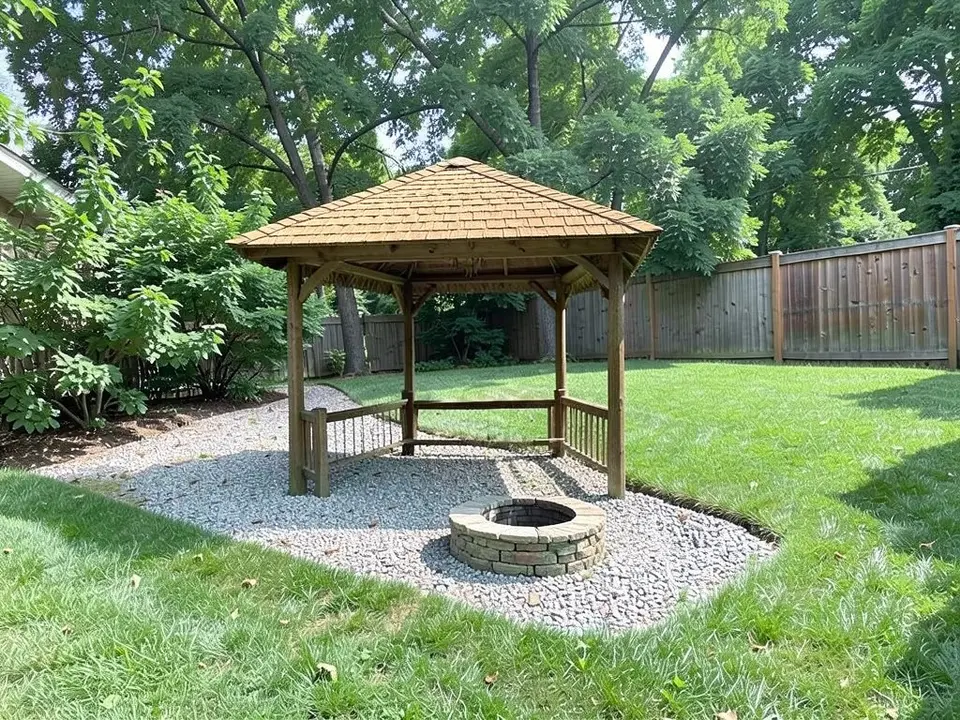
- Rustic timber: Yardzen's rustic retreat uses reclaimed or rough-hewn timber, stone flooring, lanterns and hanging plants, with a fireplace in its version. Our third example is a timber gazebo with a fire pit beside it, not inside it.
- Classic wood with a modern twist: Yardzen suggests cedar or redwood for durability, with built-in seating, LED lighting and geometric accents.
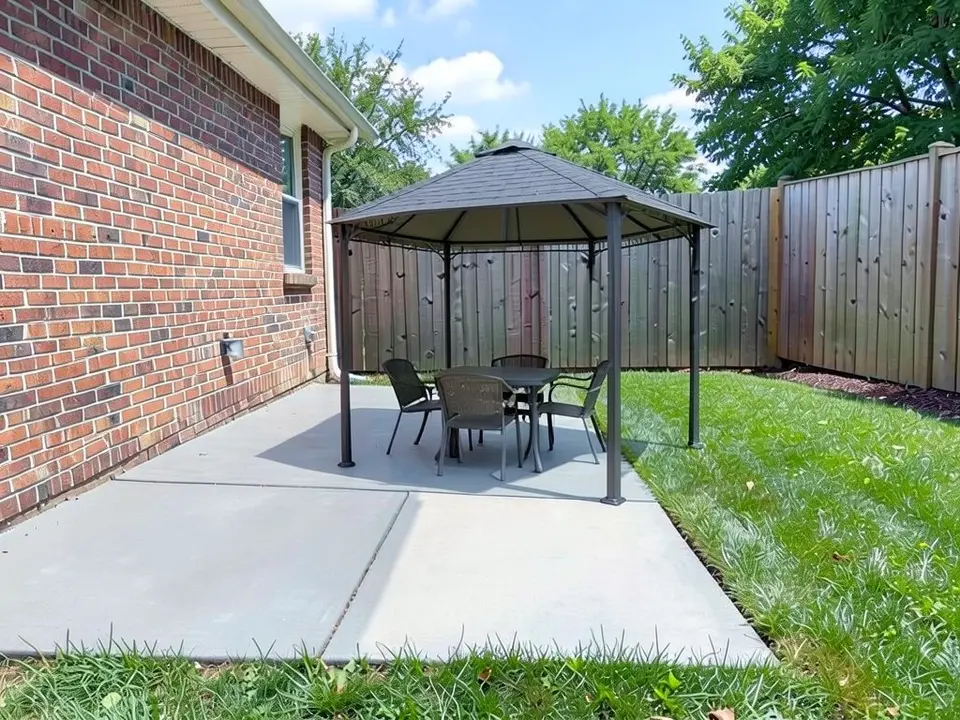
- Modern metal: Real Homes describes modern gazebos as simple, sturdy and often metal, paired with black metal furniture and few accessories. Our second example uses dark metal posts.
- Hard-top: Real Homes says a hard-top has solid roof panels that block rain, let in light and offer UV protection, and is sturdier and more permanent than lighter models.
- Netted or enclosed: Real Homes lists mosquito netting, which keeps insects away while letting in light and air, and all-year enclosed designs with side walls, curtains or panels.
- Curtains and lights: Real Homes suggests festoon lights, lanterns, linens and potted blooms to make a gazebo homey, and side curtains for enclosure. Yardzen mentions LED lighting and lanterns.
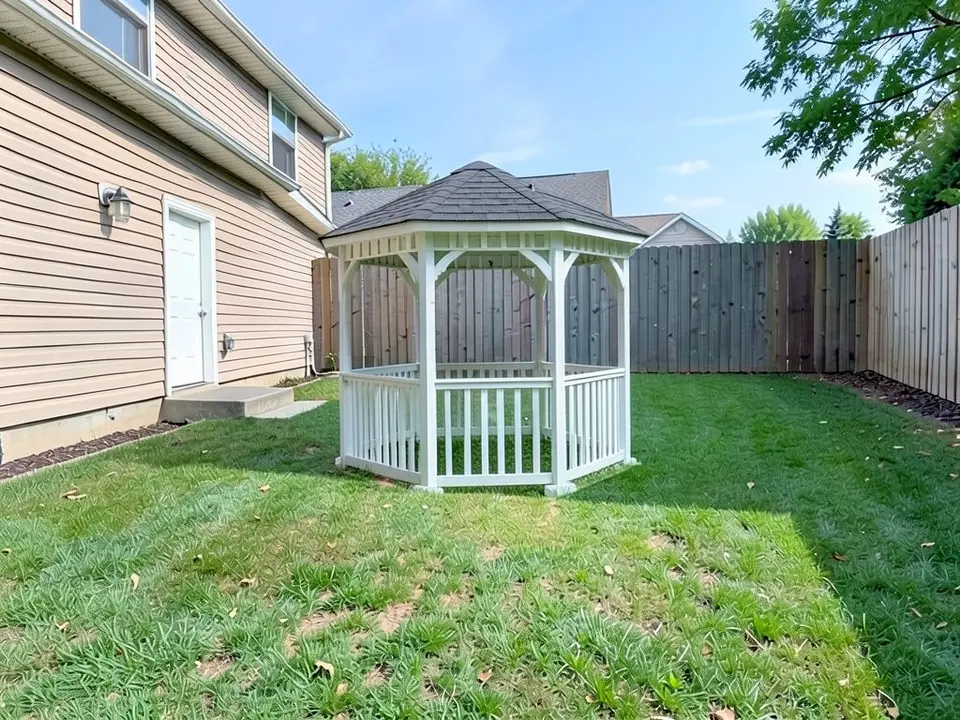
- White and relaxed: Real Homes describes white or off-white designs for sofas, coffee tables and picnics, or as shade for children napping. Our first example is a white gazebo.
Where to put a gazebo
Bob Vila says to check local setback requirements and think about privacy, views and sightlines from the house. On grass, it says to confirm the site drains well, is level, and has no tree roots or obstacles that would get in the way of anchoring. It also says to plan how the structure will be anchored, especially on concrete, and that lightweight seasonal models may need stakes or weights in windy conditions.
On permits, Bob Vila says you may not need one but should check local building codes before starting, and that closeness to the property line or utilities is the most common issue. We cannot tell you the rules where you live: ask your local building office.
How to try a gazebo on your own photo
The tool above is already in Custom mode. The Yard Redesign styles have no text box, so you cannot ask for a gazebo there. Custom lets you name what to add, where it goes, and what must stay the same.
- Take the photo in daylight from where you would usually see the yard, with the lawn or patio you would put it on and some of the house or fence in frame.
- Describe the change in the Custom Design Requirements box: where it goes (the middle of the lawn, the end of the patio), what it looks like (white wood, dark metal posts, rustic timber, the roof) and what must stay the same, such as the house, the fence and the camera angle.
- Upload your photo under Upload Your Garden Image and click Generate Custom Design. You sign in with an email code or Google when you generate.
- Compare the result with your photo, change one thing at a time, such as the colour or the roof, and run it again.
What the AI can and cannot do
The AI shows a look: roughly how a gazebo would sit on your own yard photo. That helps you decide on a style and explain it to a builder or supplier.
It does not know your local rules, your ground, or what size and anchoring a real structure needs, and it does not always follow the instruction, as the position, the roof and the six sides in the examples above show. It does not show footings, and in our first example it drew no floor. Treat the result as a picture of an idea, and check placement, permits and anchoring with your local building office and the maker or installer.
Gazebo instructions to paste into Custom mode
These are the exact instructions we used for the three examples above, in the same order. In the tool above, Custom is already selected: paste one into the Custom Design Requirements box, then upload your photo. Swap in your own spot, colours and materials.
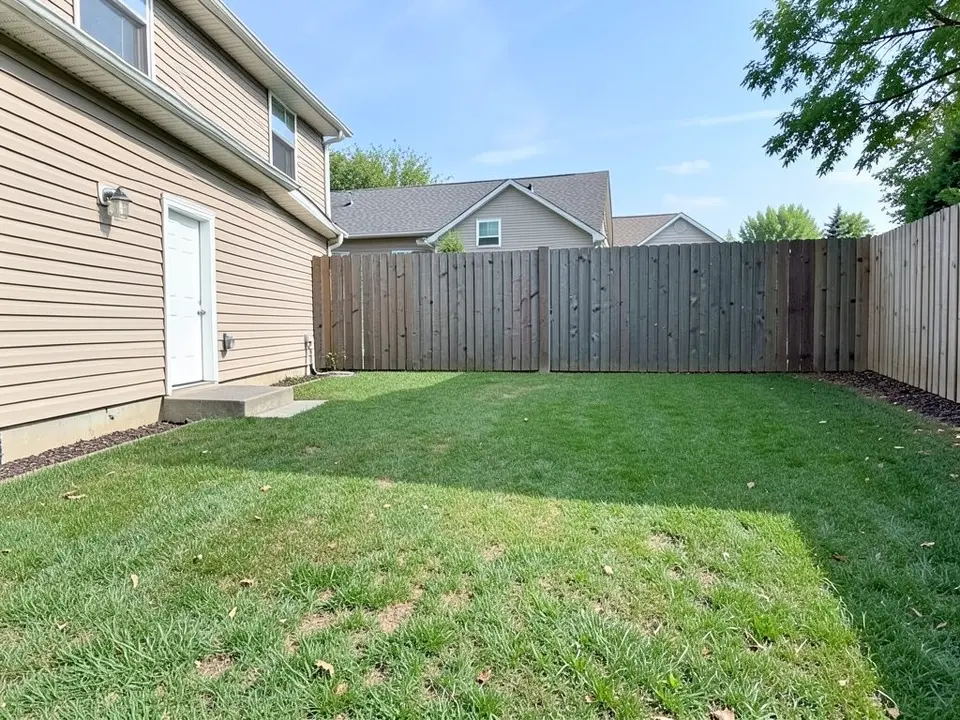
- Change ONLY the middle of the lawn: add a freestanding white wooden octagonal gazebo with a dark shingle roof and open sides, standing on the grass. Keep the house, the door, the fence, the lawn and the camera angle exactly the same.
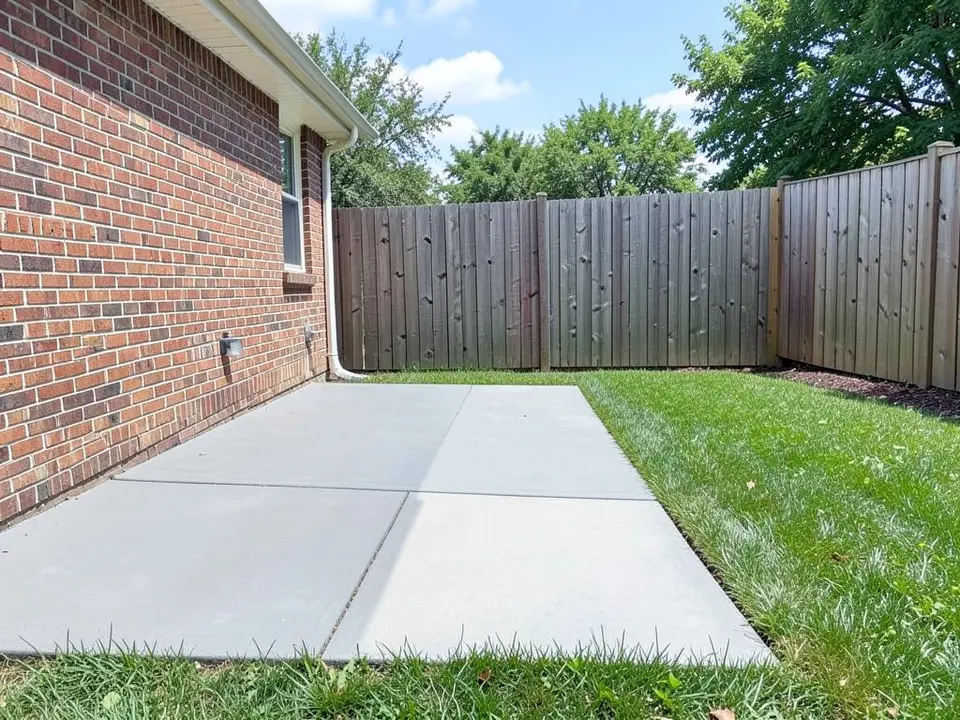
- Change ONLY the far end of the patio: add a freestanding square gazebo with four dark metal posts and a pitched dark roof, with a small outdoor dining table and four chairs under it. Keep the house, the fence, the lawn, the rest of the patio and the camera angle exactly the same.
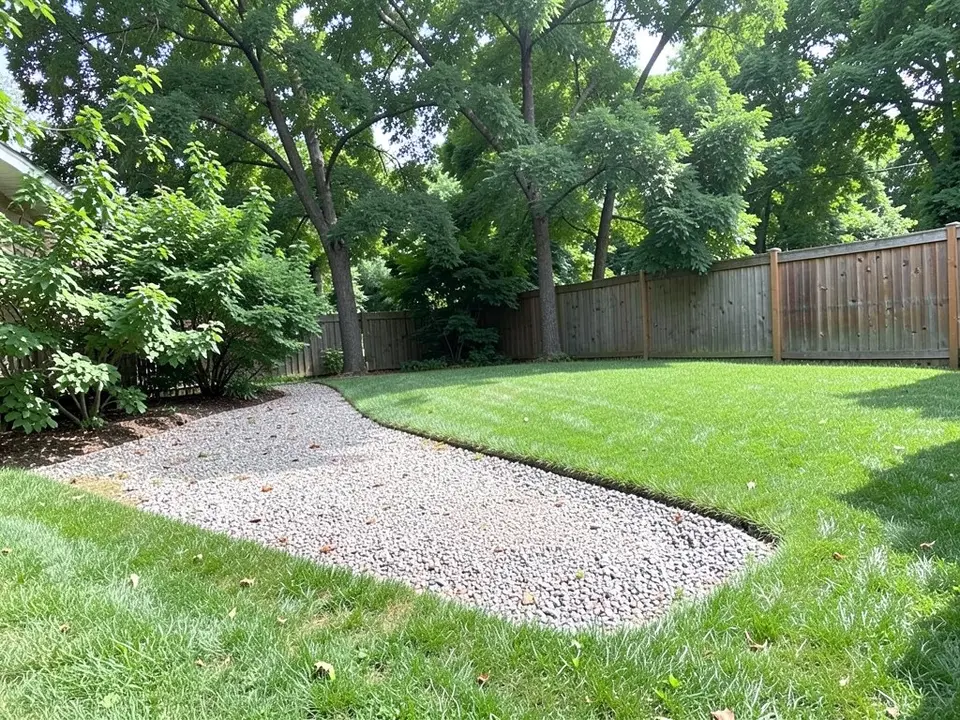
- Change ONLY the gravel patch: add a freestanding rustic timber gazebo with a cedar shingle roof, standing on the gravel, and ONE round stone fire pit on the gravel in front of it. Keep the trees, the fence, the lawn and the camera angle exactly the same.
Frequently asked questions
What is the difference between a gazebo and a pergola?
Bob Vila says a gazebo has a solid, fixed roof, is freestanding and often has a finished, slightly raised floor and built-in benches. A pergola has an open grid of beams and rafters, gives partial shade and little rain protection, and can be attached to a house wall. This page covers gazebos; our pergola ideas page covers pergolas.
What are some good backyard gazebo ideas?
Real Homes and Yardzen list rustic timber, classic wood with modern details, modern metal, hard-top, mosquito-netted, enclosed with curtains, and white relaxed designs, plus lighting with festoon lights, lanterns or LEDs. The three examples on this page show a white wooden gazebo on a lawn, a dark metal gazebo with a table on a patio, and a rustic timber gazebo with a fire pit.
Do I need a permit to build a gazebo?
Bob Vila says you may not need one but should check local building codes before starting, and that closeness to the property line or utilities is the most common issue. Rules differ by place, so ask your local building office.
Where should I put a gazebo in my yard?
Bob Vila suggests checking local setback requirements and thinking about privacy, views and sightlines from the house. On grass, check that the spot drains well, is level, and has no tree roots or obstacles that would get in the way of anchoring.
How do I keep insects out of a gazebo?
Real Homes lists mosquito netting, which keeps insects away while still letting in light and air, and says nets can hang loose. Bob Vila lists mesh screens among the possible walls. The AI can draw netting on a gazebo but cannot tell you how well it keeps bugs out.
Can the AI tell me what size gazebo fits my yard?
No. It draws the look you describe. It does not measure your yard or check clearances, and it does not always follow the instruction exactly, as the captions above show. Measure the spot and ask the maker or a builder.
Do I need an account, and is it free?
Create a free account with an email code or Google to generate. You get 1 free render, and free renders carry a watermark. More renders and no watermark come with a paid plan.