
Host plants and nectar plants
A butterfly garden needs two kinds of plants. Nectar flowers feed the adults, and host plants are what the caterpillars eat. Fine Gardening's Eric Perrette notes that butterflies will stick around if you have their host plants too. The National Wildlife Federation suggests its Native Plant Finder, which lists host plants by zip code.
- Milkweed for monarchs: NWF Garden for Wildlife says monarch caterpillars depend only on milkweed and names common milkweed, butterfly weed and swamp milkweed. Illinois Extension lists butterfly weed as a host for monarch and queen butterflies.
- Herbs for swallowtails: NWF names parsley, dill, fennel and common rue for black swallowtail caterpillars. The University of Georgia calls fennel a black swallowtail favorite.
- Other hosts: NWF lists passion vines for the gulf fritillary. Illinois Extension lists violets for the great spangled fritillary and spicebush and sassafras for the spicebush swallowtail.
- Nectar flowers: Illinois Extension names blazing star, bee balm and goldenrod among its nectar plants. UGA notes that coneflower and lantana keep producing nectar in drought.
Bloom in turn, plant in masses
NWF suggests red, yellow, orange, pink and purple blossoms, flat-topped or clustered flowers with short tubes, and a garden that blooms continuously. NWF Garden for Wildlife gives a sequence: wild columbine and Virginia bluebells in spring, coneflower and butterfly weed in summer, and blue wood aster and goldenrod in fall.
Illinois Extension advises large masses of plants, since butterflies are drawn to color rather than single plants. Fine Gardening suggests setting plants a bit closer than normal for a blanket of color.
Sun and shelter
NWF suggests a spot in full sun from mid-morning to mid-afternoon, and NWF Garden for Wildlife asks for at least 6 hours of sun, with shrubs to block the wind. UGA describes its own garden getting 10 or more hours of sun in June.
Flat stones in the sun give butterflies a place to bask, according to NWF, and Illinois Extension adds rocks and logs for the same use.
Water: a puddling spot
For water, the sources describe a puddling spot rather than a birdbath. NWF describes a shallow pan filled with coarse sand and stones, sunk into the soil and kept moist. Illinois Extension explains that males need sodium and suggests shallow pans with large stones and water, and Fine Gardening uses a pot with no drainage holes.
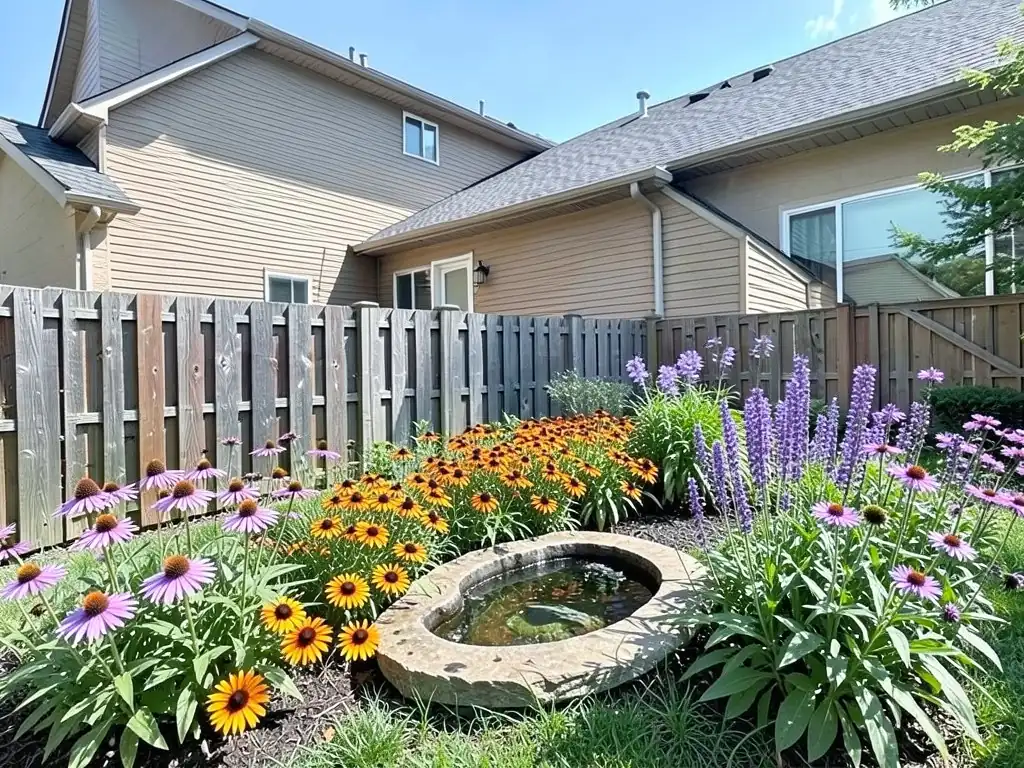
Our first example asked for a stone dish of water, and the AI drew a basin of open water. For a real puddling spot, ask for a shallow dish of wet sand and stones instead.
Layouts: border, front bed or meadow
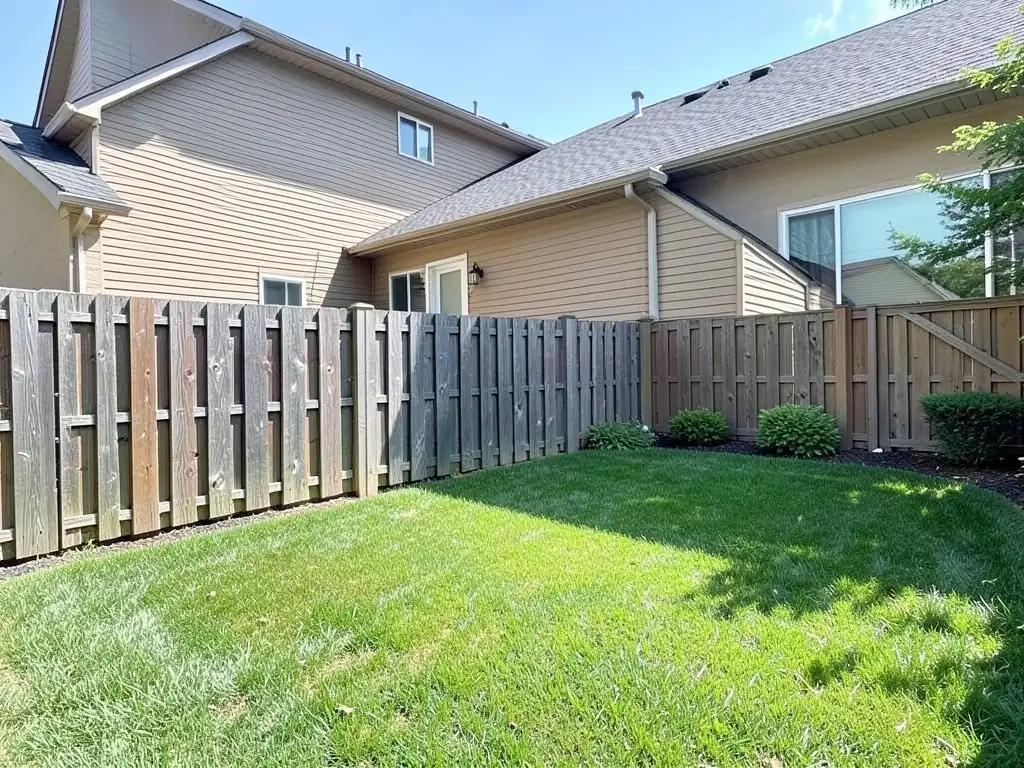
UGA suggests large plants at the back and small ones at the front, with a bench nearby to watch from, and notes that 'Miss Huff' lantana and 'Black Knight' butterfly bush can reach four feet wide. That suits a border along a fence, like our first example.
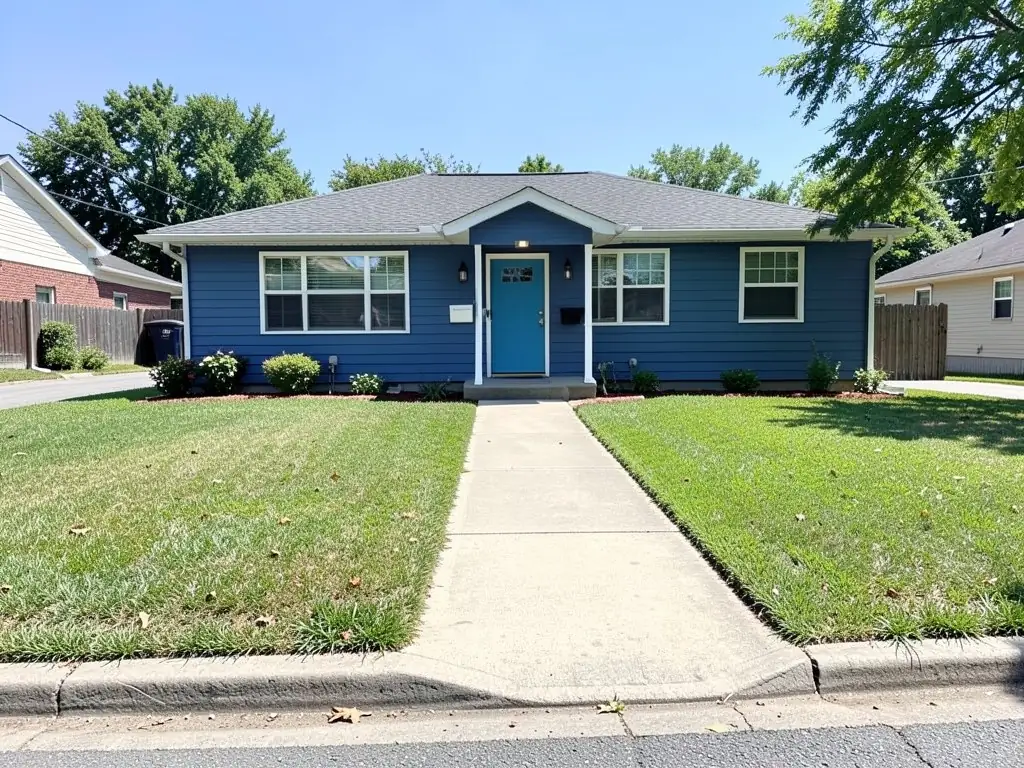
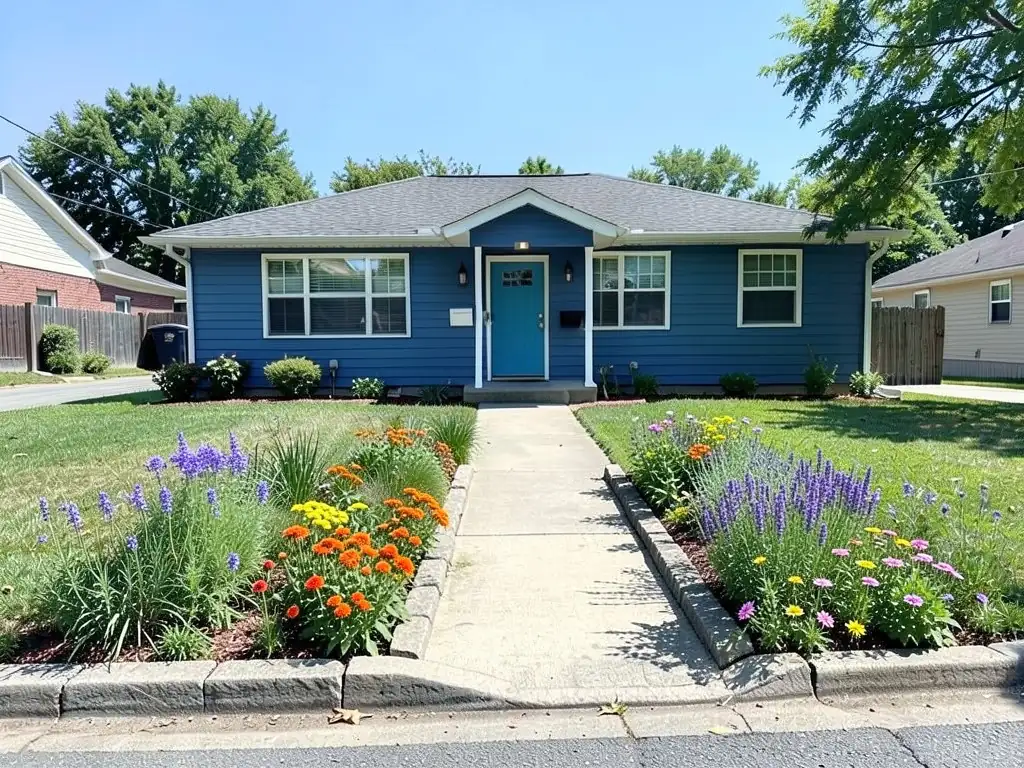
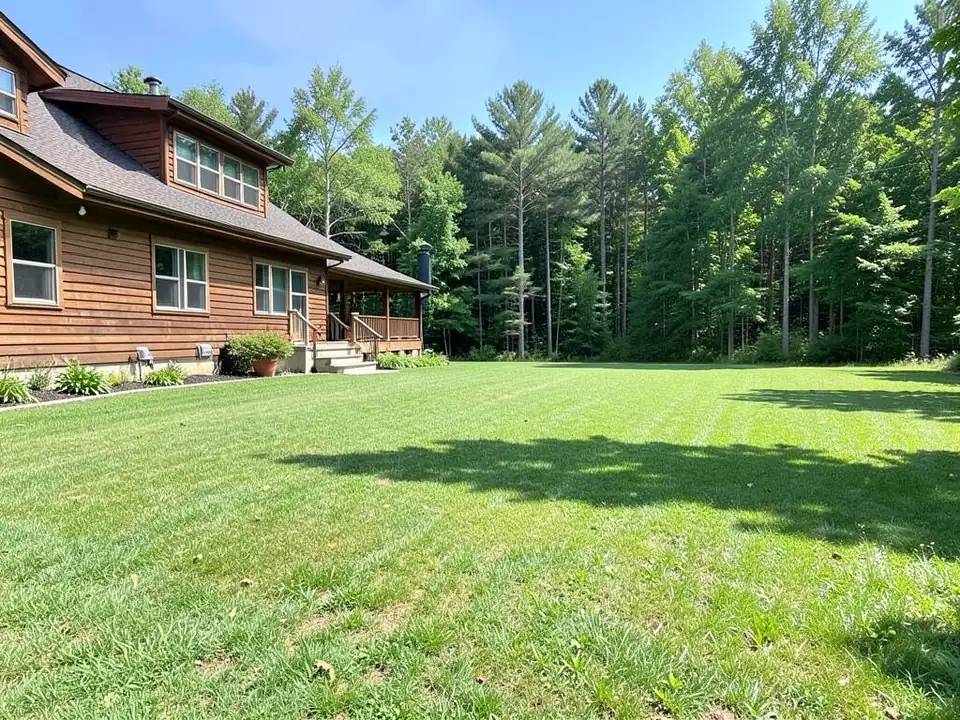
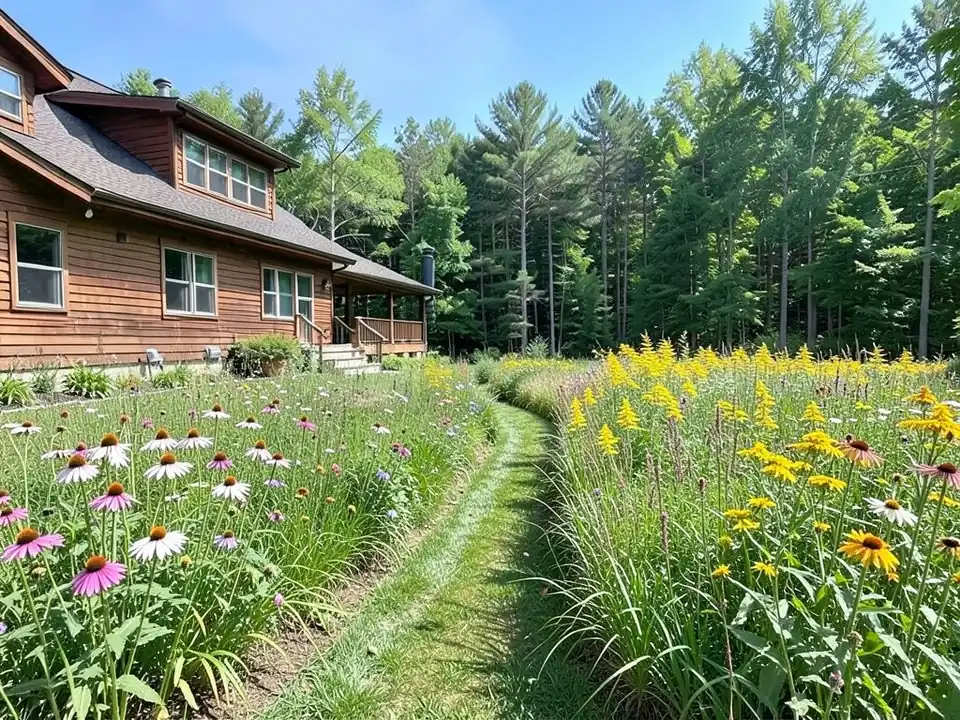
A bed beside the front walk, like our second example, puts the flowers where you pass them every day. On a large lot, a meadow with a mown path, like our third example, gives the masses of plants Illinois Extension recommends.
Skip the insecticides
NWF advises against insecticides, even Bt. NWF Garden for Wildlife warns that nursery plants treated with neonicotinoids are toxic to butterflies. UGA asks gardeners to accept a few chewed leaves.
Fine Gardening suggests waiting until spring to clean up the garden, because some butterflies overwinter in it.
How to try a butterfly garden idea on your own photo
The tool above is already in Custom mode. The Yard Redesign styles have no text box, so you cannot ask for milkweed and coneflowers along the fence there. Custom lets you name the plants, the layout, where it goes and what must stay the same.
- Take the photo in daylight from where you would watch the garden, with the lawn, fence line or walkway you want to plant in frame.
- Describe the change in the Custom Design Requirements box: the shape and place of the planting, the flowers by name and color, any water dish or stones, and what must stay the same, such as the house, the fence, the walkway and the camera angle.
- Upload your photo under Upload Your Garden Image and click Generate Custom Design. You sign in with an email code or Google when you generate.
- Compare the result with your photo. If it filled the whole lawn instead of a strip along the fence, say exactly how deep the bed is and where the lawn stays, and try again.
What the AI can and cannot do
The AI shows a look: roughly how a butterfly border, bed or meadow would sit in your own yard and how much of the lawn it takes. That helps you pick a layout and a color mix.
It does not know which plants are native to your area, how much sun your yard gets, or whether a flower it drew is the one you asked for. In the examples above it left out the butterfly weed and the milkweed, drew salvia-like spikes instead of asters and filled the whole lawn instead of a strip along the fence. Treat the result as a picture of an idea and check plant names with a nursery or the NWF Native Plant Finder.
Butterfly garden instructions to paste into Custom mode
These are the exact instructions we used for the three examples above, in the same order. In the tool above, Custom is already selected: paste one into the Custom Design Requirements box, then upload your photo. Swap in your own plants, layout, positions and what must stay.
- Add ONLY a wide curved flower border along the fence planted with purple coneflowers, orange butterfly weed, black-eyed susans and tall purple asters, with a shallow stone dish of water among the flowers. Keep the house, the fence and the camera angle exactly the same.
- Replace ONLY part of the lawn beside the walkway with a butterfly garden bed of milkweed, lantana, salvia and zinnias, edged with stone. Keep the house, the walkway and the camera angle exactly the same.
- Turn ONLY the back half of the lawn into a pollinator meadow of tall native wildflowers such as coneflowers, bee balm and goldenrod, with a mown grass path through it. Keep the house, the woods and the camera angle exactly the same.
Frequently asked questions
What plants attract butterflies?
Two kinds: nectar flowers for adults and host plants for caterpillars. Illinois Extension names blazing star, bee balm and goldenrod for nectar; NWF names milkweed for monarchs and parsley, dill and fennel for black swallowtails.
Why does a butterfly garden need milkweed?
NWF Garden for Wildlife says monarch caterpillars depend only on milkweed. It names common milkweed, butterfly weed and swamp milkweed.
How much sun does a butterfly garden need?
NWF Garden for Wildlife asks for at least 6 hours, and NWF suggests full sun from mid-morning to mid-afternoon, with shrubs to block the wind.
Do butterflies need water?
The sources suggest a puddling spot. NWF describes a shallow pan of coarse sand and stones sunk into the soil and kept moist. Illinois Extension notes males need the sodium in these puddles.
Should I use insecticides in a butterfly garden?
No. NWF advises against them, even Bt, and NWF Garden for Wildlife warns that neonicotinoid-treated nursery plants are toxic to butterflies.
Can the AI tell me which plants to use?
No. It draws the planting you describe on your photo. It does not know what is native to your area, and as the captions above show, it does not always draw the plant you named.
Do I need an account, and is it free?
Create a free account with an email code or Google to generate. You get 1 free render, and free renders carry a watermark. More renders and no watermark come with a paid plan.