
What makes a garden look like a cottage garden
The style comes from small English country gardens. The UC Master Gardeners of El Dorado County say early ones grew mostly food and medicine plants and name informal clumping as the defining feature; Homebuilding & Renovating notes modern versions favor flowers and natural materials.
It looks loose but is planned (Real Homes). The usual rules: tall plants at the back and low ones spilling over the front (Real Homes, DIY Garden), plus a limited color palette and the same plants repeated along a border for rhythm (Homebuilding & Renovating).
Cottage garden ideas for the front yard
- 1. Swap lawn for deep borders: Replace some or most of the lawn with wide curving borders, deep enough for three layers of plants.
- 2. Soften the walk: Replace a straight concrete walk with gravel or brick, or let low plants spill over its edges.
- 3. Frame the door: Roses or a climber beside the door, and pots on the step.
- 4. A picket fence or low hedge: My Garden Inspo lists picket fences, low walls and hedges as front boundaries that suit the style.
- 5. Keep some order: Gardeningetc advises keeping parts of the garden orderly, with clipped evergreens for structure, so it does not look chaotic from the street.
Small space cottage garden ideas
- 6. Grow up, not out: DIY Garden suggests trellis and climbers so a small plot holds more flowers.
- 7. Pots and window boxes: Gardeningetc suggests pots for narrow spaces, and DIY Garden suggests window boxes.
- 8. A short plant list: Homebuilding & Renovating quotes designer Fi Boyle on keeping the palette limited; a few plants repeated look calmer.
- 9. Small furniture: Real Homes warns against bulky furniture; one small bench fits better.
- 10. Perennials and mulch: Garden.eco suggests hardy perennials, which come back each year, and mulch to hold moisture.
Cottage garden ideas along a fence
- 11. Roses on the fence: A climbing or rambling rose along a fence or trellis is the most recognizable cottage touch.
- 12. Tall flowers at the back: DIY Garden pairs a picket fence with hollyhocks, cosmos and sweet peas.
- 13. Layer down to the lawn: Put roses and lavender in front of the tall plants, then low catmint or hardy geraniums at the edge.
- 14. A mowing strip: Gardeningetc shows a reclaimed-brick mowing strip between border and lawn. Plants can spill onto it without being caught by the mower.
Cottage garden path ideas
- 15. Gravel or pea shingle: Real Homes advises laying a pea-shingle path on firm, weed-free ground or over a weed membrane.
- 16. Mown grass paths: Gardeningetc suggests winding mown paths, which make watering, pruning and deadheading easier.
- 17. Stepping stones: DIY Garden suggests thyme, creeping Jenny or chamomile between stones, and notes that a winding path can make a small plot feel larger.
Backyard corner ideas
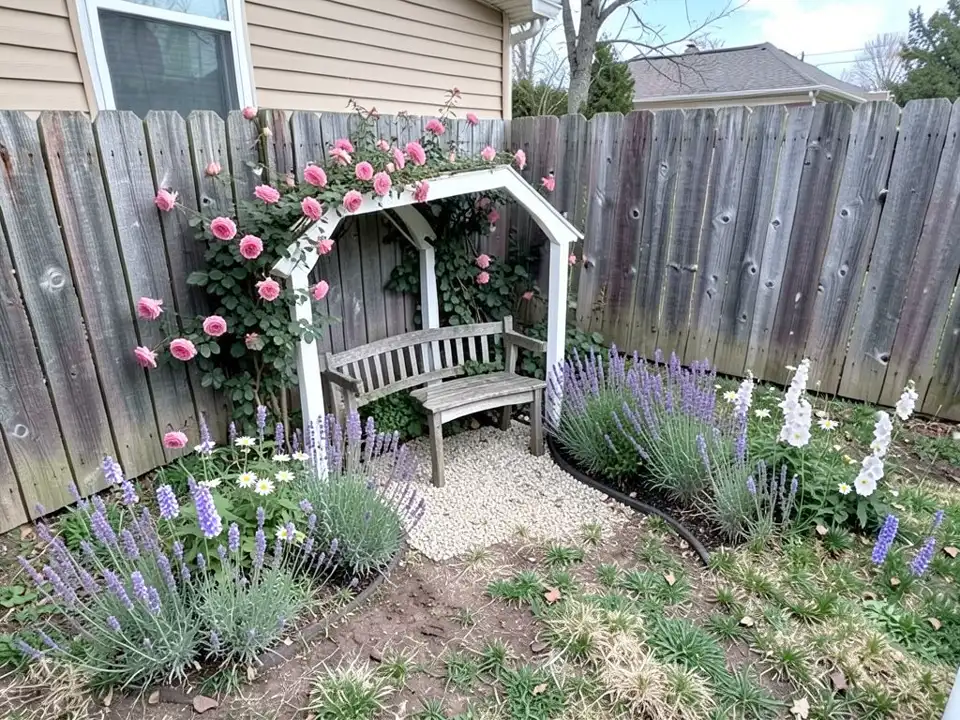
- 18. An arch with roses: Gardeningetc turns an established rose into a focal point and uses pergolas for climbers, and DIY Garden suggests a wooden arch covered in climbing roses.
- 19. A bench nook: A small seat tucked into planting, as in the third example.
- 20. A shady corner: Garden.eco suggests hostas and ferns for leaf texture, and NC State Extension notes that foxgloves do best with some afternoon shade.
- 21. An edible corner: Traditional cottage gardens mixed in food plants (Homebuilding & Renovating), so herbs among the flowers fit.
Cottage garden plant list
The plants these sources name most. Check each plant's tag or a local nursery for your climate, sun and soil.
- Roses: Climbing, rambling and shrub roses for fences, arches and borders.
- Hollyhocks: Back of the border. NC State Extension: 5 to 8 feet, full sun to light shade, prone to rust.
- Foxgloves: Back or middle. NC State Extension: 2 to 5 feet, biennial (flowers in its second year), best with afternoon shade, poisonous.
- Lavender: Front edges and paths. NC State Extension: English lavender needs full sun and very well-drained soil and can die out in heavy clay.
- Delphiniums: Tall blue spikes for the back (DIY Garden).
- Catmint, hardy geraniums and lady's mantle: Low plants for the front edge (Homebuilding & Renovating).
- Daisies, primroses, cosmos and sweet peas: Middle and front color, with sweet peas on a fence (DIY Garden).
- Hostas and ferns: Leaf texture (Garden.eco), useful in shadier spots.
Before you start: what to check
- Call 811 first (US): 811 is the free national before-you-dig service. Call or use your state 811 center's website a few business days before digging, even for planting shrubs, because some utility lines are buried only inches deep.
- Sun: Roses, lavender and hollyhocks want sun; NC State Extension defines full sun as 6 or more hours of direct sun a day.
- Drainage: If water stands after rain, skip lavender: NC State Extension says it does not like wet feet and can get root rot. Choose plants for damp soil or build a raised bed.
- Upkeep: Packing plants until no soil shows helps keep weeds down (UC Master Gardeners), but deadheading and cutting back never stop.
- Children and pets: NC State Extension rates foxglove as a high-severity poison. Keep it away from play areas or leave it out.
How to try a cottage garden on your own photo
The Cottage Garden style redesigns a whole yard and tells the AI to change only the lawn, plants, beds, paths and patio (it does not always obey). For one border or corner, use Custom.
- Photograph the spot in daylight, with the phone level and the whole area in frame. JPG or PNG works.
- Open the landscape tool and sign in with Google or an email code. You get 1 free render with a free account.
- For the whole yard: keep Yard Redesign mode, choose Cottage Garden under Choose a Landscape Style, upload your photo under Upload Your Garden Image and click Redesign My Yard.
- For one border or corner: pick Custom and describe the spot, plants from back to front and any path or arch in the Custom Design Requirements box, plus what must not change. Upload your photo and click Generate Custom Design.
- Compare the result with your photo, change one thing at a time and run it again.
What the AI can and cannot do
The AI shows a look: how borders, a path, roses or an arch would sit against your house, which helps you choose and explain ideas.
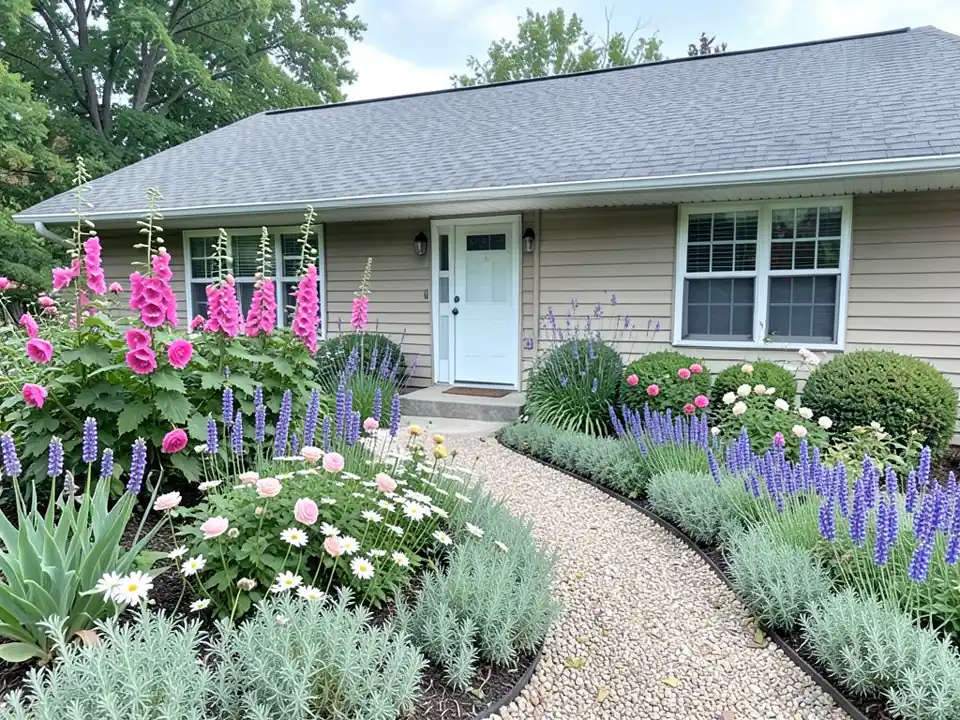
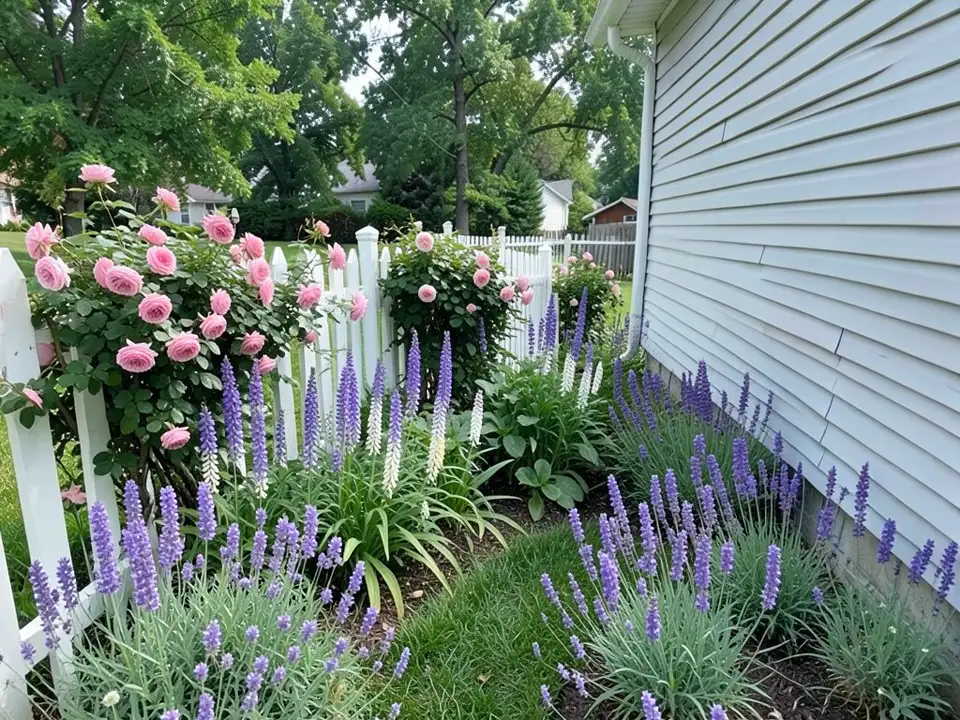
It is not a planting plan. It does not know your climate, soil or sun, and its flowers are approximate: above, the catmint came out as silvery plants and no clear hollyhocks appeared in the corner. It also changes things you did not ask for, such as the camera, a house wall's planting or the sky. Choose real plants with a local nursery.
Cottage garden instructions to paste into Custom mode
These are the exact instructions we used for the three examples above, in the same order. In the landscape tool, choose Custom, paste one into the Custom Design Requirements box, then upload your photo. Swap in your own spot, colors and plants.
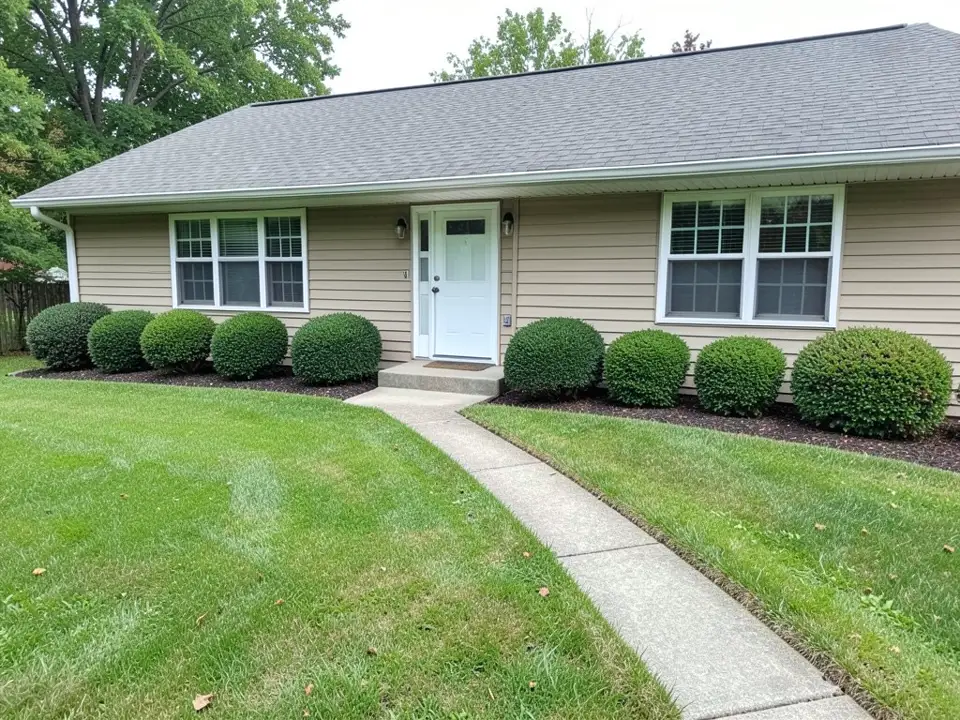
- Turn the front lawn into a cottage garden: replace most of the grass with deep, curving flower borders packed in layers, with tall pink hollyhocks and purple foxgloves at the back against the house, roses, lavender and white daisies in the middle and low catmint spilling over the edges, and replace the straight walkway with a curved gravel path to the front door. Keep the house, windows, door, roof, sky and camera angle exactly the same.
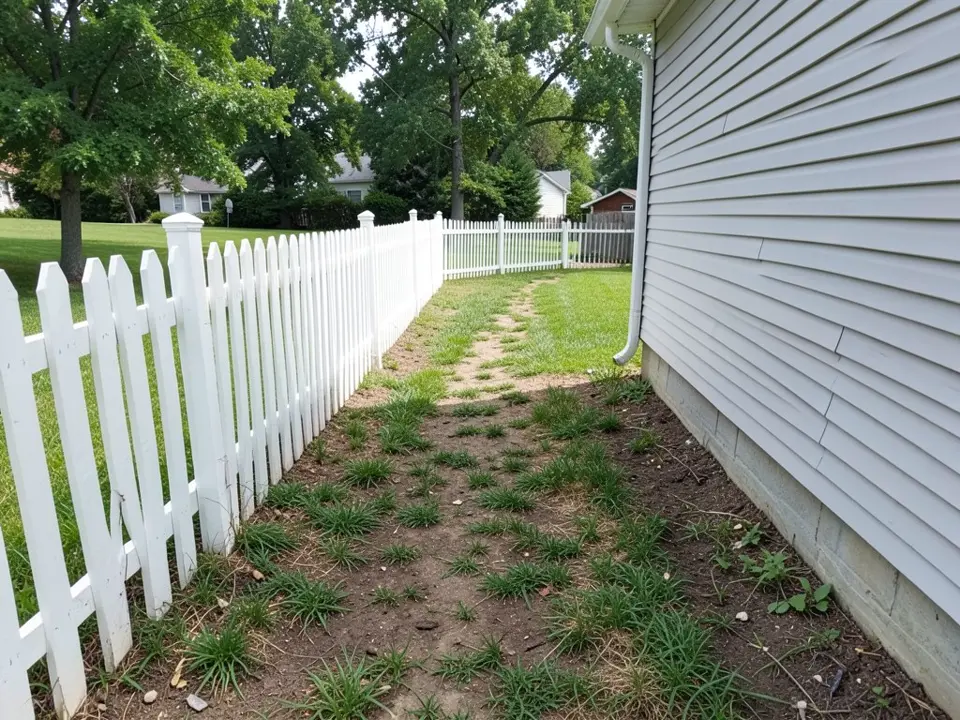
- Replace the patchy grass strip along the picket fence with a dense cottage-style border: pink climbing roses on the fence, tall purple and white foxgloves among them, lavender in front and low flowers spilling over the edge onto the lawn. Keep the picket fence, the house, the neighbor's yard and trees, sky and camera angle exactly the same.
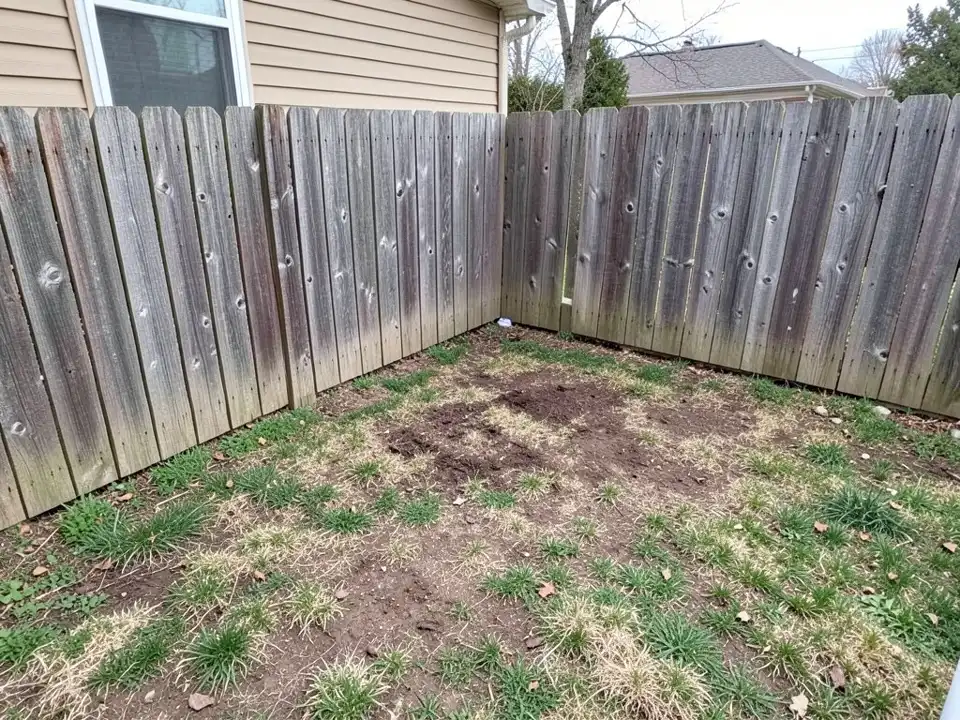
- Turn the bare back corner into a small cottage garden nook: a simple white wooden arch in the corner covered with climbing pink roses, a small wooden bench under the arch, and a curved border of lavender, foxgloves, daisies and hollyhocks around it, with a short gravel path from the lawn to the bench. Add no other structures. Keep the house, both fences, the rest of the lawn, sky and camera angle exactly the same.
Frequently asked questions
What is a cottage garden?
An informal style from English country gardens: flowers, herbs and climbers set close together in deep borders, softening paths and fences (UC Master Gardeners of El Dorado County, Homebuilding & Renovating).
Which plants make a garden look cottage-style?
Roses, lavender, foxgloves, hollyhocks, delphiniums, catmint and daisies, with climbers on fences and arches. See the plant list above.
Can a front yard be a cottage garden?
Yes. Turn part of the lawn into deep borders, soften the walk and put roses by the door. Keep some parts orderly so it looks planned (Gardeningetc).
Does a cottage garden work in a small space?
Yes: grow upward with climbers, use pots and window boxes, repeat a few plants and keep furniture small (DIY Garden, Real Homes).
Do cottage gardens need full sun?
Many classic flowers, such as roses, lavender and hollyhocks, do best in sun, while foxgloves do best with some afternoon shade (NC State Extension), and hostas and ferns can fill darker spots. Check plant tags; the AI does not know your sun.
How do I plan a cottage garden layout?
Tallest plants at the back, low spilling plants at the front, one curved path to reach them, one focal point such as an arch, and a few plants repeated.
Will the AI pick plants that grow where I live?
No. It draws a look and does not know your climate, soil or sun. Choose real plants with a local nursery.
Do I need an account, and is it free?
You need an account, and it is free: 1 free render with a free account, and free renders carry a watermark. More renders and no watermark come with a paid plan.