
What makes a garden look Japanese
A Japanese garden is a calm landscape built from three main materials, stone, water and plants, arranged to look natural rather than symmetrical. Common types include the stroll garden with a pond, the tea garden (chaniwa), the hill garden (tsukiyama), the small courtyard garden (tsuboniwa) and the dry landscape garden (karesansui).
Karesansui means dry landscape: raked gravel stands for water, rocks for mountains or islands, and moss fills the ground between them. The name zen garden is largely a Western label for it. It is meant to be viewed from one fixed place, such as a veranda, rather than walked through.
- Stone: Boulders set partly into the ground so they look as if they have always been there, usually in groups of three, five or seven, as several garden guides suggest.
- Plants: Mostly green: clipped shrubs, moss, ferns and grasses, with one or two trees such as a Japanese maple for seasonal color.
- Ornaments: A stone lantern (tōrō), often beside a low stone water basin (tsukubai), or a bamboo fence. One or two are plenty.
- Enclosure and borrowed scenery: A fence or hedge that frames the garden, and trees beyond it that seem to belong to it, an idea called shakkei.
Japanese garden ideas for small yards
- 1. A courtyard-style corner: A tsuboniwa is a garden made for a tiny space. A few square yards of gravel, one rock group, a fern and a lantern can be enough.
- 2. One tree as the centerpiece: A single small Japanese maple or a softly pruned pine gives a small garden its focus. Leave space around it so its outline shows.
- 3. Bamboo screen or fence panel: A bamboo panel in front of a plain fence changes the whole mood of a small yard and hides the view of the neighbors without taking up ground.
Japanese front yard ideas
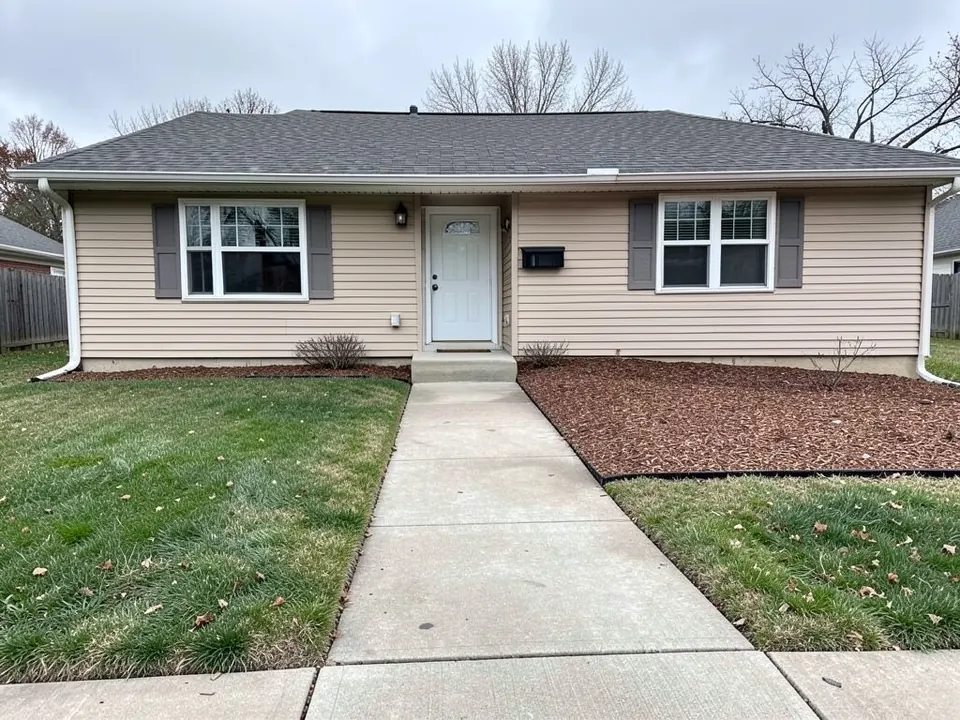
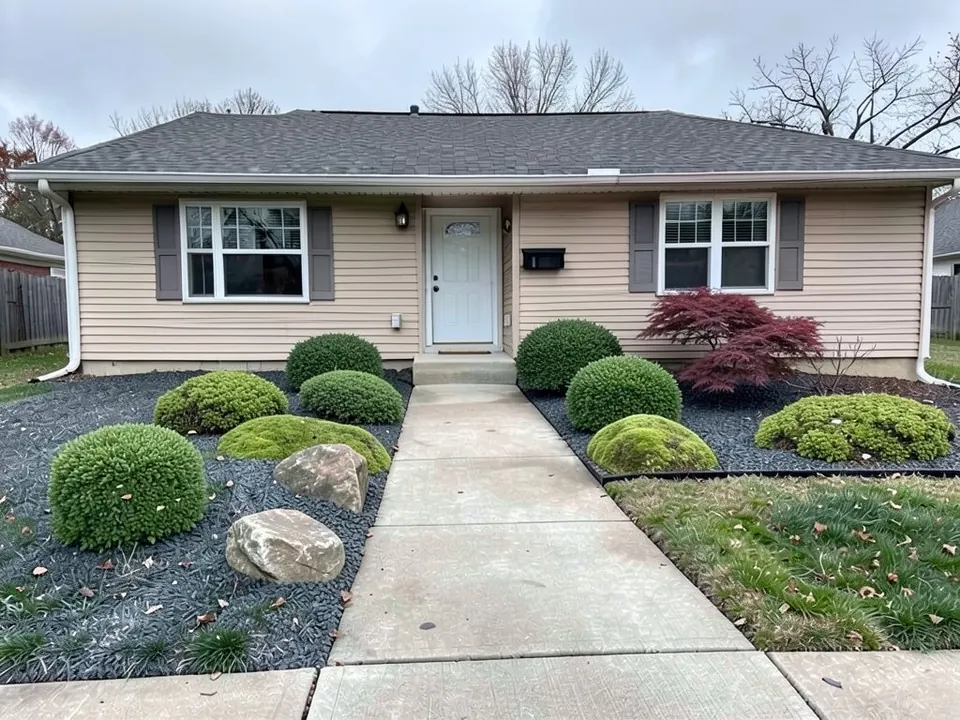
- 4. Gravel foundation bed: Swap bark mulch along the house for gravel, then add a few clipped evergreen shrubs, a boulder or two and low moss or groundcover, as in the second example above.
- 5. Stepping stones to the door: Flat stones set in gravel or moss, slightly offset rather than in a straight line, make a calm entry. Keep them level enough to walk on safely.
Japanese garden ideas for a backyard corner or side yard
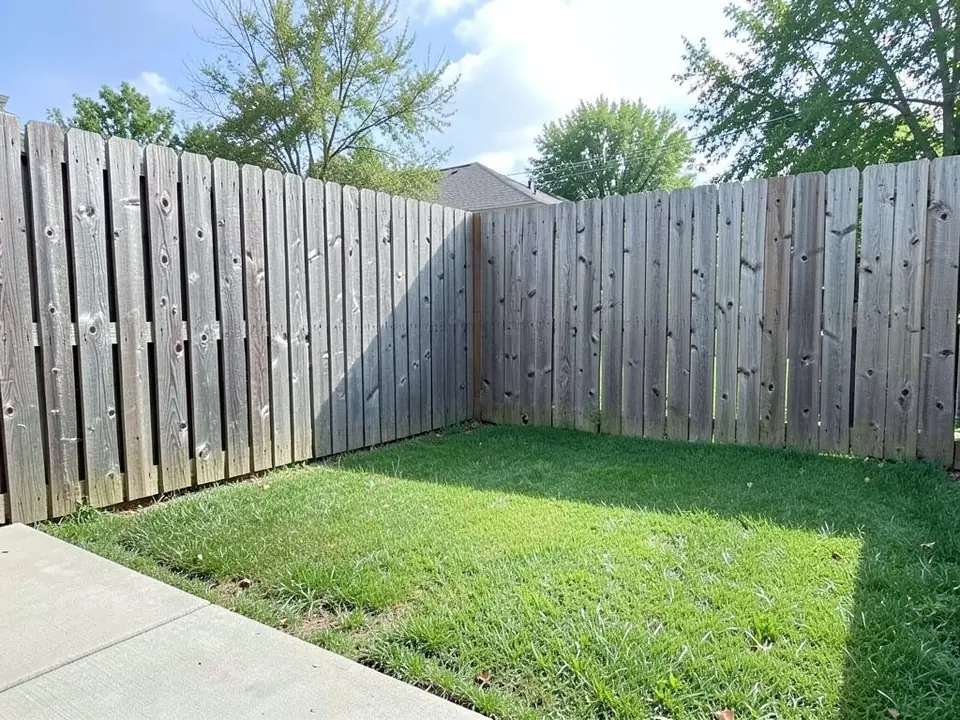
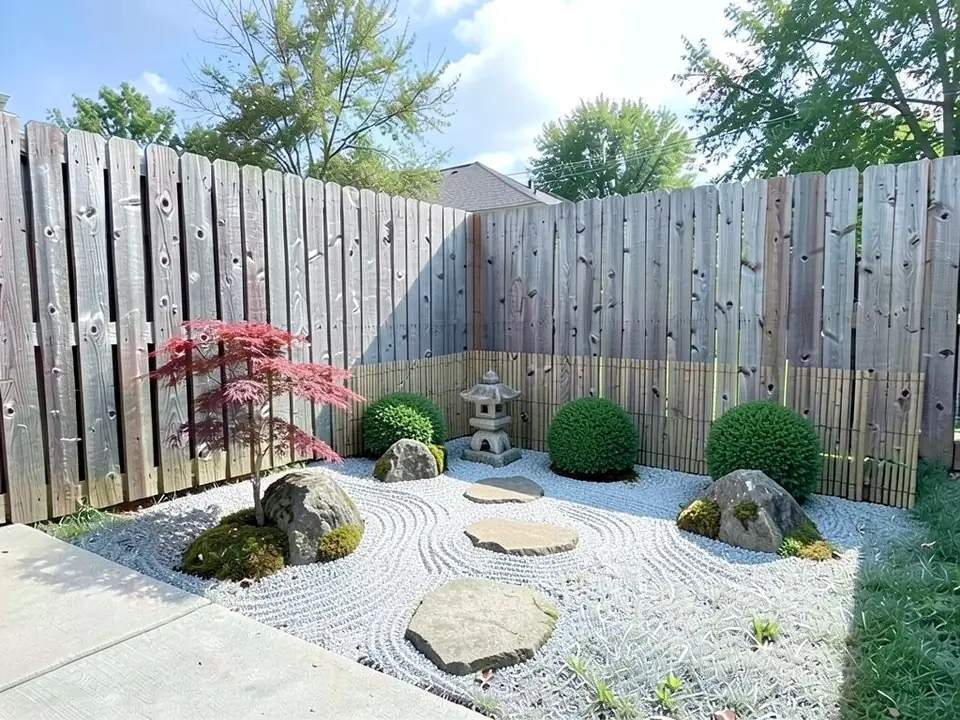
- 6. Corner viewing garden: Turn the corner where two fences meet into a small scene seen from the patio, as in the first example: gravel, a rock group, a maple and a lantern against a bamboo screen.
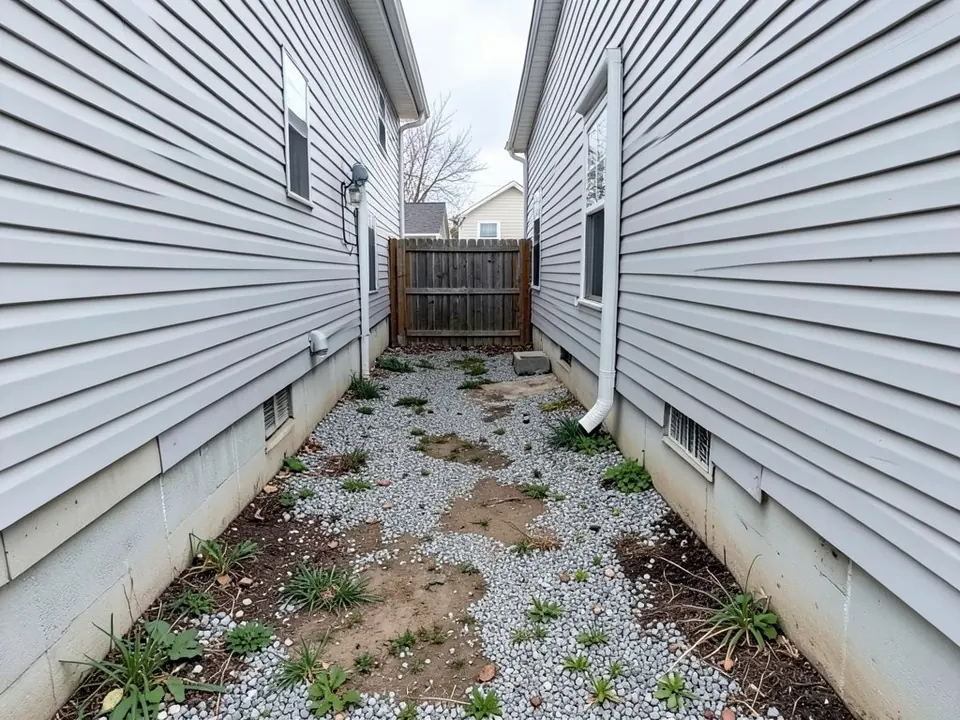
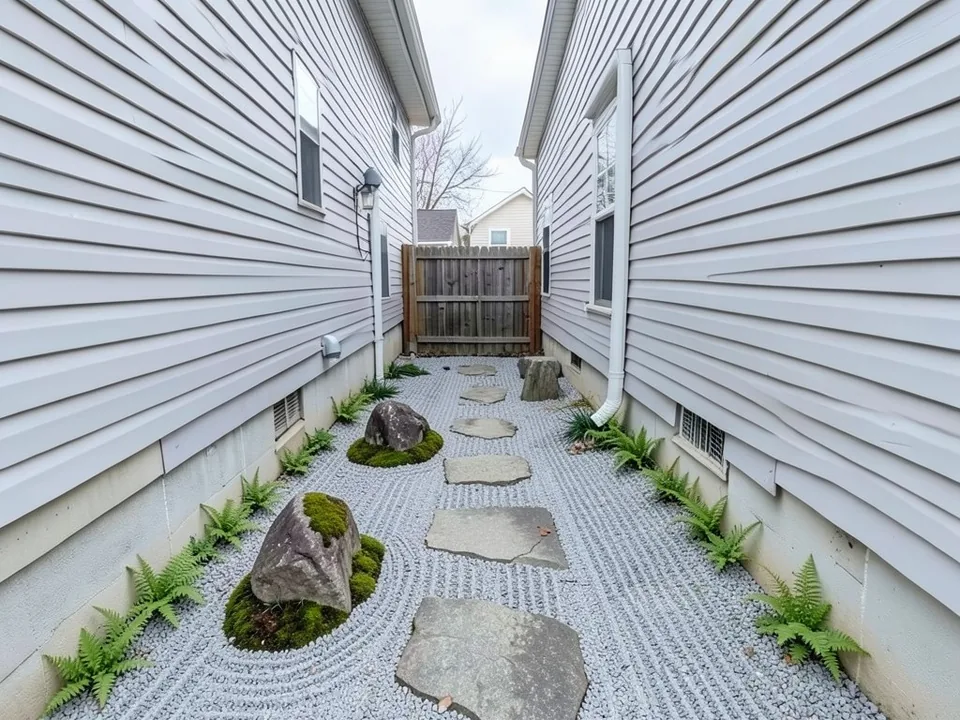
- 7. Side yard path: Narrow side yards suit a stepping-stone path through gravel with ferns or hostas along the walls, as in the third example.
Dry rock garden (karesansui) ideas
- 8. Raked gravel field: A flat area of pale gravel raked in straight or wavy lines, with rings raked around each rock like ripples around islands. Gardeningetc suggests gravel about 6 mm in size, laid about 75 mm (3 in) deep.
- 9. Moss islands: Low mounds of moss around the base of each rock soften the stone. Gardeningetc shows baby's tears (Soleirolia), a low creeping plant for part shade and moist soil, used in place of moss.
Low-maintenance Japanese garden ideas
- 10. Mostly stone and gravel: Gravel over a weed membrane, a few rocks and some evergreen shrubs need far less work than a lawn or flower bed.
- 11. Evergreen structure: Clipped evergreen shrubs keep the garden looking finished in winter.
- 12. Clumping bamboo or a bamboo fence, not running bamboo: UConn Home and Garden Education Center warns that running bamboo can spread more than 100 feet from the mother plant, and that a barrier must go at least 18 inches deep. UGA Extension describes clumping bamboo as non-invasive. A bamboo fence panel gives the look with no spreading at all.
Before you start: what to check
- Call 811 first (US): 811 is the free national before-you-dig service. Contact it a few business days before digging, even to set boulders or plant shrubs, because some utility lines are buried only inches deep.
- Sun, wind and the Japanese maple: NC State Extension recommends planting Japanese maple in dappled shade, in evenly moist, well-drained soil, sheltered from drying winds, and notes that too much sun, wind or drought causes leaf scorch. It lists the species as a small tree of 15 to 25 feet, so check the tag of the cultivar you buy and leave room for its full size.
- Drainage under the gravel: Level the ground so water drains away from the house, and lay a weed membrane before the gravel.
- Weight and access: Boulders are heavy. Plan how they will get into the yard and set them before you spread gravel.
How to try a Japanese garden on your own photo
The Japanese style redesigns the whole yard in the photo. Custom mode changes just one corner or bed from your own written instruction.
- Photograph the spot in daylight from where you usually see it, with the phone level and the whole area in frame. JPG or PNG works.
- Open the landscape tool and sign in with Google or an email code. You get 1 free render with a free account.
- For the whole yard: keep Yard Redesign mode, choose Japanese under Choose a Landscape Style, upload your photo under Upload Your Garden Image and click Redesign My Yard.
- For one corner or bed: pick Custom and describe the spot, gravel, rocks and plants in the Custom Design Requirements box, plus what must not change (house, fence, lawn, camera angle). Upload your photo and click Generate Custom Design.
- Compare the result with your photo, change one thing at a time, and run it again.
What the AI can and cannot do
The AI shows a look: where gravel, rocks, a path and plants could go and how they sit against your house and fence. That helps you choose between ideas and show a landscaper what you mean.
It is not a construction or planting plan. It does not know your climate, soil, sun or drainage, does not measure anything, and draws approximate plants. It also does not always follow the instruction: in the examples above it moved the maple, spread out the boulders and turned lawn into gravel when we asked it to keep the lawn. Choose real plants and materials with a local nursery or landscaper.
Japanese garden instructions to paste into Custom mode
These are the exact instructions we used for the three examples above, in the same order. In the landscape tool, choose Custom, paste one into the Custom Design Requirements box, then upload your photo. Swap in your own spot, gravel color, rocks and plants.
- Turn the lawn in the back corner by the fence into a small Japanese-style garden: pale gray raked gravel, three natural boulders with moss at their bases, a small red-leaf Japanese maple in the corner, a short path of flat stepping stones, a few clipped round evergreen shrubs, a small granite stone lantern and a bamboo screen in front of the lower part of the fence. Keep the fence, patio, the rest of the lawn, sky and camera angle exactly the same.
- Turn the bare mulch bed along the front of the house into a low-maintenance Japanese-style bed: dark gray gravel, a few rounded natural boulders, low mounds of green moss, clipped round evergreen shrubs and one small Japanese maple near the corner of the house. Keep the house, windows, door, roof, walkway, lawn, sky and camera angle exactly the same.
- Turn this side yard into a Japanese dry rock garden: remove the weeds and bare dirt, cover the ground with clean pale gray gravel raked in straight parallel lines, add one group of three natural boulders of different sizes with moss around their bases, a path of flat stepping stones down the middle, and ferns along the base of both walls. Keep both house walls, windows, vents, downspouts, the wooden gate, sky and camera angle exactly the same.
Frequently asked questions
What are the main elements of a Japanese garden?
Stone, water and plants: rocks set in natural groups, a pond or raked gravel that stands in for water, and mostly green planting such as moss, ferns, clipped shrubs and a Japanese maple. A lantern, stone basin or bamboo fence can be added.
How do I turn my backyard into a Japanese garden?
Start small. Pick one corner you see from the house or patio, frame it with a fence or screen, lay gravel, set a group of three rocks, add a few evergreen shrubs and one small tree. Try the layout on a photo first, then build in stages.
What plants work best in a Japanese garden?
Japanese maple, pines, clipped evergreen shrubs such as azaleas, ferns, hostas, moss and ornamental grasses are common choices. Use clumping bamboo rather than running bamboo, and ask a local nursery what suits your climate.
What is the difference between a Japanese garden and a zen garden?
Zen garden is a Western name for one type of Japanese garden, the dry landscape garden or karesansui, made mostly of raked gravel, rocks and moss. Other types include stroll gardens with ponds and tea gardens.
Is a Japanese garden low maintenance?
A gravel and stone garden can be lower maintenance than a lawn, but not zero. Expect to pull weeds, rake gravel, clear leaves and trim shrubs. Moss needs shade and moisture.
Can I make a Japanese garden in a small yard or front yard?
Yes. Japanese courtyard gardens are made for tiny spaces. A gravel bed with one rock group, a fern and a lantern fits along a wall or in a side yard, as the second and third examples show.
How realistic are the AI Japanese garden designs?
They look like photos and are good enough to judge layout, materials and color. They are not exact: plants are approximate, sizes are not to scale, and the AI sometimes skips or moves what you asked for, as the captions show.
Do I need an account, and is it free?
You need an account, and it is free: 1 free render with a free account, and free renders carry a watermark. More renders and no watermark come with a paid plan.