
Backyard fence types: wood, vinyl, metal and chain link
ShrubHub, a company blog, published a yard fencing guide in October 2022 and updated it in March 2023. A business may favor what it sells, so we use the guide only for what each fence type is, not for prices.
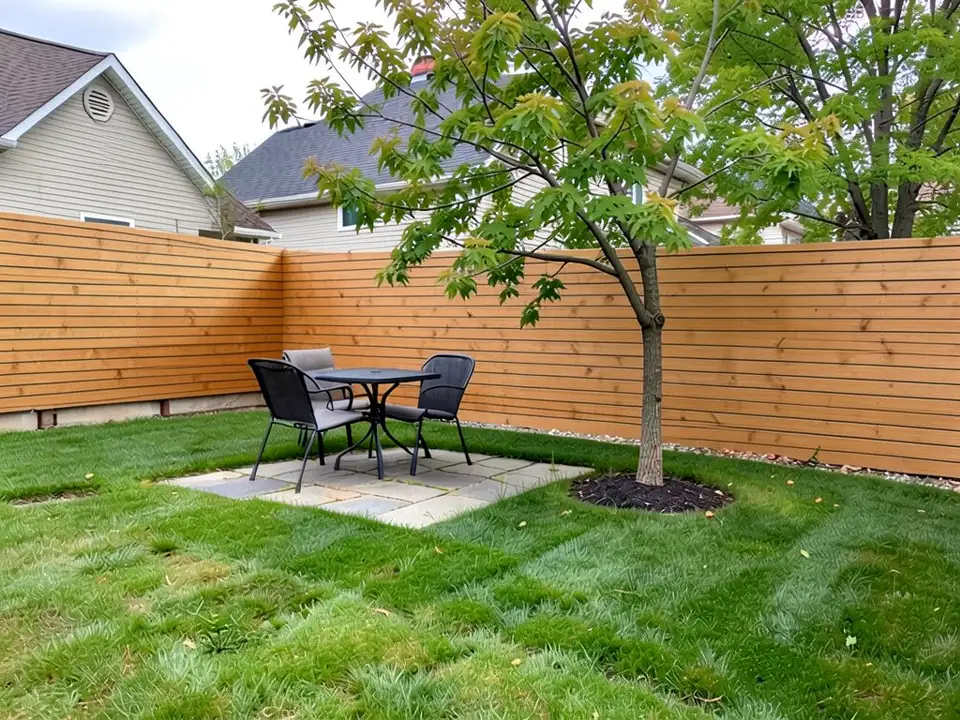
- Wood: The classic look. ShrubHub says cedar naturally resists insects and rot and is somewhat budget-friendly among wood fences, that redwood costs more than cedar, and that pressure-treated wood is recommended so it does not change color over time. It suggests horizontal slats in dark paint or stain for modern homes.
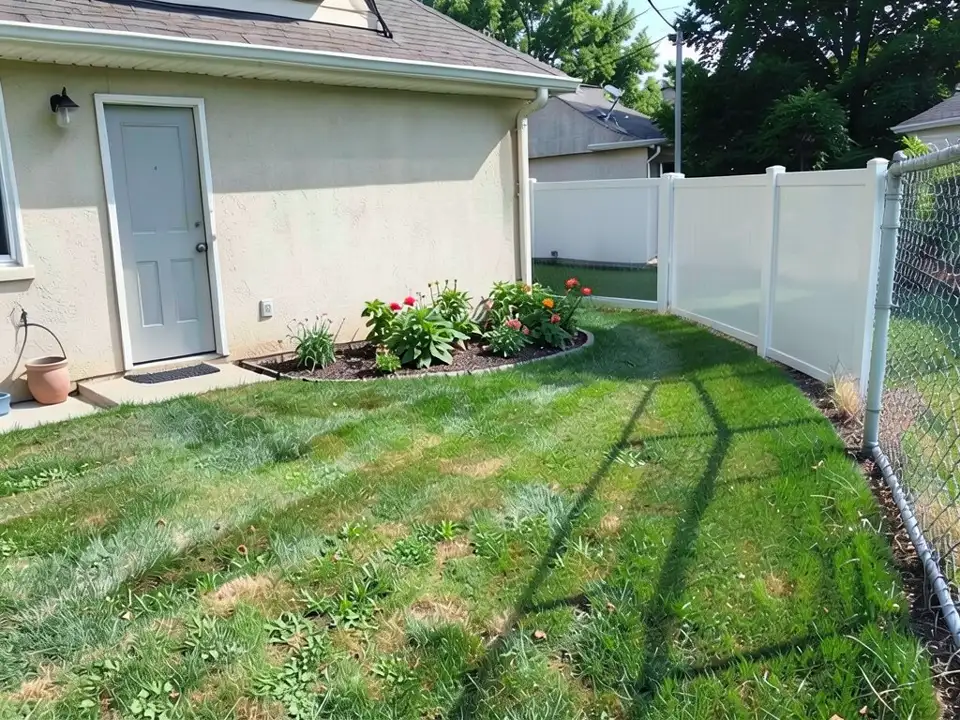
- Vinyl (PVC): Low maintenance, needs no staining, and does not rot or attract termites, but ShrubHub says it costs more than wood.
- Aluminum: Durable, needs little to no maintenance and does not rust, according to ShrubHub, which prices it similarly to wrought iron.
- Wrought iron: Durable and elegant, but expensive and needs professional installation, says ShrubHub.
- Chain link: Very affordable and durable, suitable for DIY, and it lets sunlight through. ShrubHub says it can be decorated to soften the metal look.
- Other options it lists: Corrugated metal, bamboo, basket-weave wood, stone and lattice, each with its own look and upkeep.
Horizontal wood fences
Cool Cat Fence, a fence contractor, wrote a guide in April 2026 on horizontal wood fences. As a company that installs fences, it has an interest in the product. It says horizontal boards pull the eye across the yard, which can make a space feel wider, cleaner and more architectural than basic pickets or stock panels. It names western red cedar as the common choice and pressure-treated pine as an option when budget matters.
The same guide lists the drawbacks. It says horizontal layouts are less forgiving, so uneven post spacing, a wandering top line or unclean board runs show quickly, and that moisture and spring ground movement can cause early rot near post bases. It describes vinyl and composite as lower-upkeep options. That matters for our first example: a picture can show the slat look, but it cannot show whether a real fence would be built straight.
Which fence fits which yard
These are our reading of the sources, not a rule. If you want to keep daylight and views, chain link is the type ShrubHub describes as letting sunlight through, and a decorated version softens its look. If you want a solid screen with little upkeep, the sources describe vinyl as low maintenance. If you want a warm, modern look and are willing to maintain it, horizontal wood is the style the contractor guide praises, with its warning about build quality. Our three examples show a wood, a vinyl and a metal idea on a photo; what a real fence costs and how it holds up are questions for a local installer.
Check these before you build a fence
Neither source we read covers local rules, permits, property lines or maximum heights, so this part is general advice from us, not from them. Fence height limits, setbacks from the property line, permits and homeowners association rules differ by city and by neighbourhood, and the cost of getting them wrong falls on the owner. Before you buy anything, find your property line on your survey, ask your building or planning department what height and style are allowed, check any homeowners association rules, and talk to your neighbour if the fence runs along a shared line.
How to try a fence on your own yard photo
Use Custom mode for this. The Yard Redesign styles have no text box, so you cannot ask for a fence there. Custom lets you name the fence material, color, height and what must stay the same.
- Take the photo in daylight from where you usually see the yard, with the current fence, the lawn and part of the house in frame.
- Open the landscape tool and sign in with Google or an email code. You get 1 free render with a free account.
- Under Select Landscape Mode, pick Custom.
- In the Custom Design Requirements box, describe the fence: its material, color, height and what must stay the same, such as the lawn, the patio, the house and the camera angle.
- Upload your photo under Upload Your Garden Image and click Generate Custom Design.
- Compare the result with your photo. If only part of the fence changed, name each side in the instruction and run it again. Change one thing at a time, such as the color or the material.
What the AI can and cannot do
The AI shows a look: roughly how a wood, vinyl or metal fence would sit in your own yard, in the colors you name. That helps you choose a style and explain what you want to an installer.
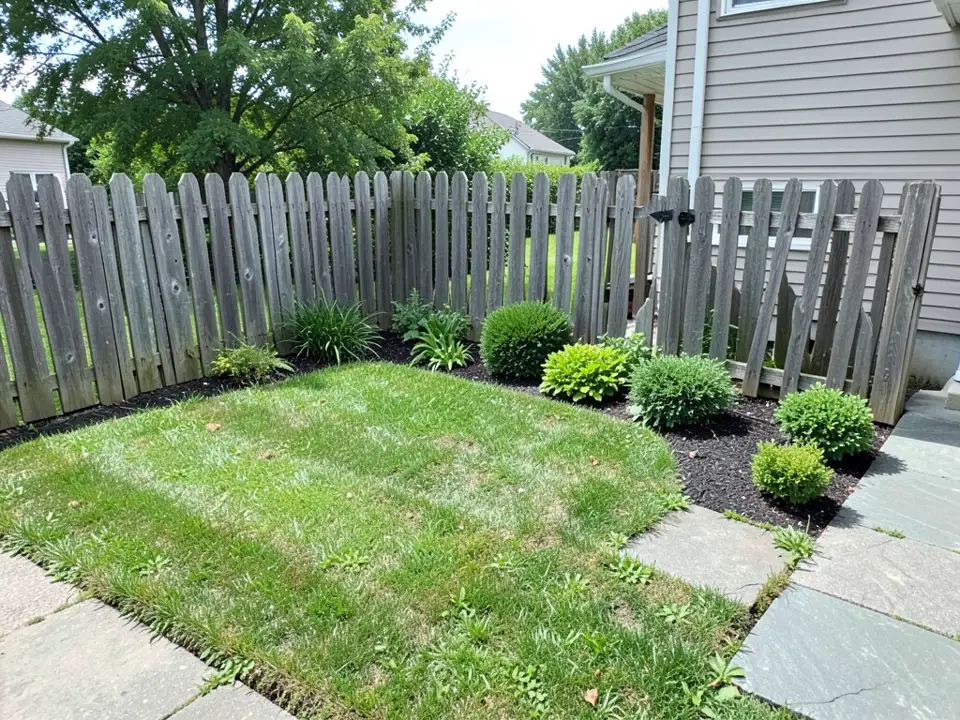
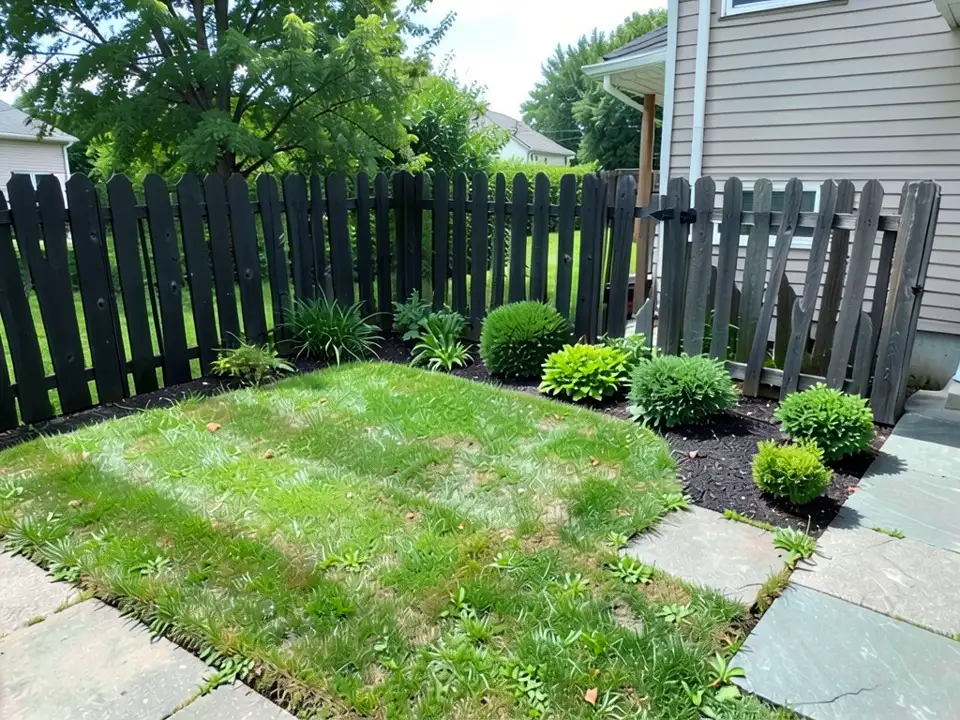
It does not measure your yard, find your property line, set the height or post spacing, count boards or panels, price the job, or tell you whether a design is allowed where you live. It also does not always follow the instruction: in our examples it replaced only part of a chain-link fence and drew a black wood fence when we asked for aluminium. Treat the result as a picture of an idea, and get the layout and the permit from a qualified installer or your local planning department.
Fence instructions to paste into Custom mode
These are the exact instructions we used for the three examples above, in the same order. In the landscape tool, choose Custom, paste one into the Custom Design Requirements box, then upload your photo. Swap in your own fence material, color, height and what must stay.
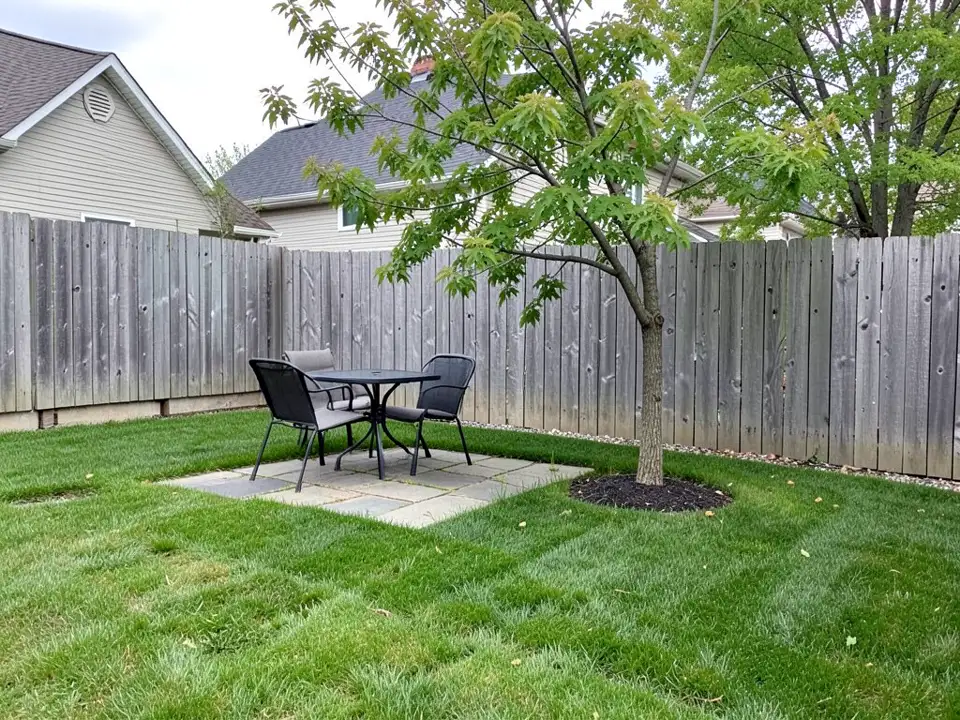
- Change ONLY the fence: replace it with a modern horizontal-slat cedar fence, about the same height, with a clean level top line. Keep the lawn, the patio, the table and chairs, the tree and the camera angle exactly the same.
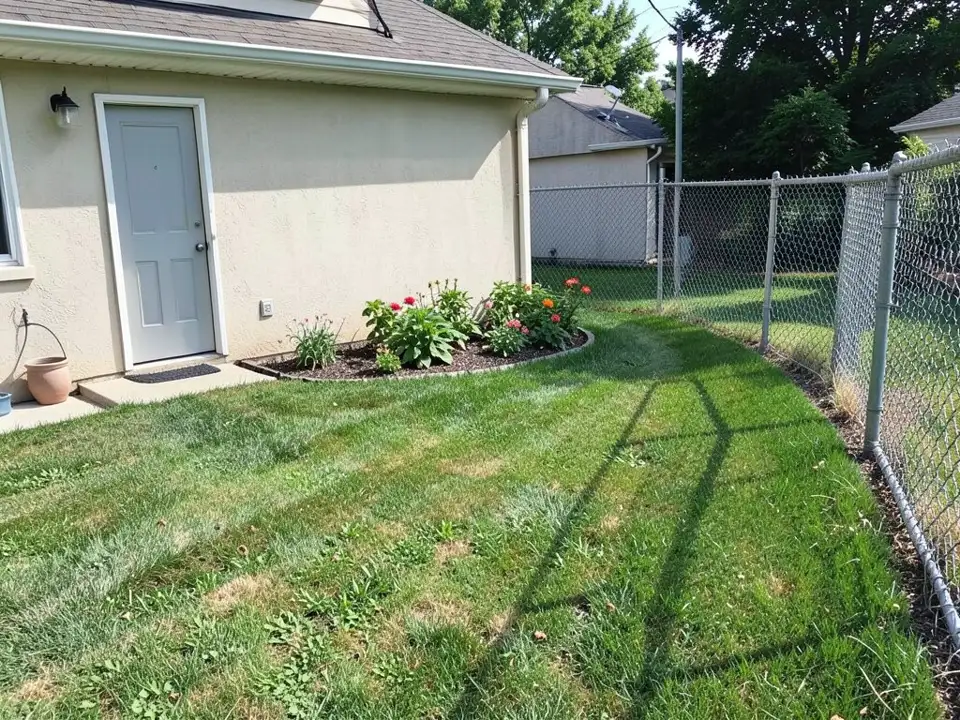
- Change ONLY the chain-link fence: replace it with a white vinyl privacy fence with solid panels and a flat top, about the same height. Keep the lawn, the flower bed, the house wall and door and the camera angle exactly the same.
- Change ONLY the picket fence and gate: replace them with a black aluminium picket fence with a matching gate, about the same height. Keep the lawn, the garden bed, the shrubs, the path, the house and the camera angle exactly the same.
Frequently asked questions
What are the main backyard fence types?
ShrubHub's guide covers wood (cedar, redwood, pressure-treated), vinyl, aluminum, wrought iron, chain link, corrugated metal, bamboo, stone and others. Our three examples show horizontal wood, white vinyl and black metal on a photo.
Which fence needs the least upkeep?
ShrubHub says vinyl is low maintenance and needs no staining, and that aluminum needs little to no maintenance and does not rust. Cool Cat Fence, a contractor, describes vinyl and composite as lower-upkeep options than wood. Ask the maker of the system you are considering for the details.
Is a horizontal wood fence a good idea?
Cool Cat Fence, a fence installer, says horizontal boards can make a yard feel wider and more architectural, but that the style is less forgiving: uneven post spacing or a wandering top line shows quickly, and moisture can cause early rot near the post bases. It recommends professional installation.
How tall can my fence be, and do I need a permit?
This page cannot tell you. Neither source we read covers it, and height limits, permits, setbacks and homeowners association rules differ by place. Ask your local building or planning department before you build.
Can I see a fence on my own yard before buying?
Yes, as a picture. Upload your yard photo in Custom mode and describe the fence. The result is a preview that may not follow every detail of the instruction, as our examples show.
Can your tool give me fence dimensions, a materials list or a permit drawing?
No. It draws a picture. It does not measure, find your property line, space posts, count boards or make a drawing for a permit. Use an installer or your local planning department for those.
Do I need an account, and is it free?
You need an account, and it is free: 1 free render with a free account, and free renders carry a watermark. More renders and no watermark come with a paid plan.
Sources
The facts above come from these pages, which we read in October 2026. We are not affiliated with any of them.