
What makes a corner lot different
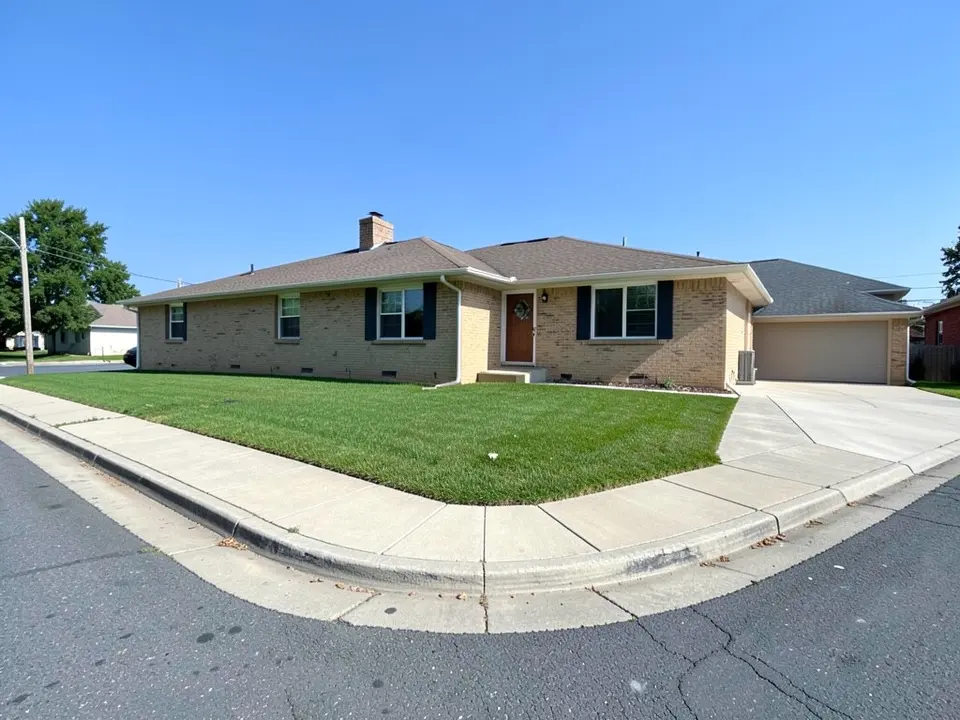
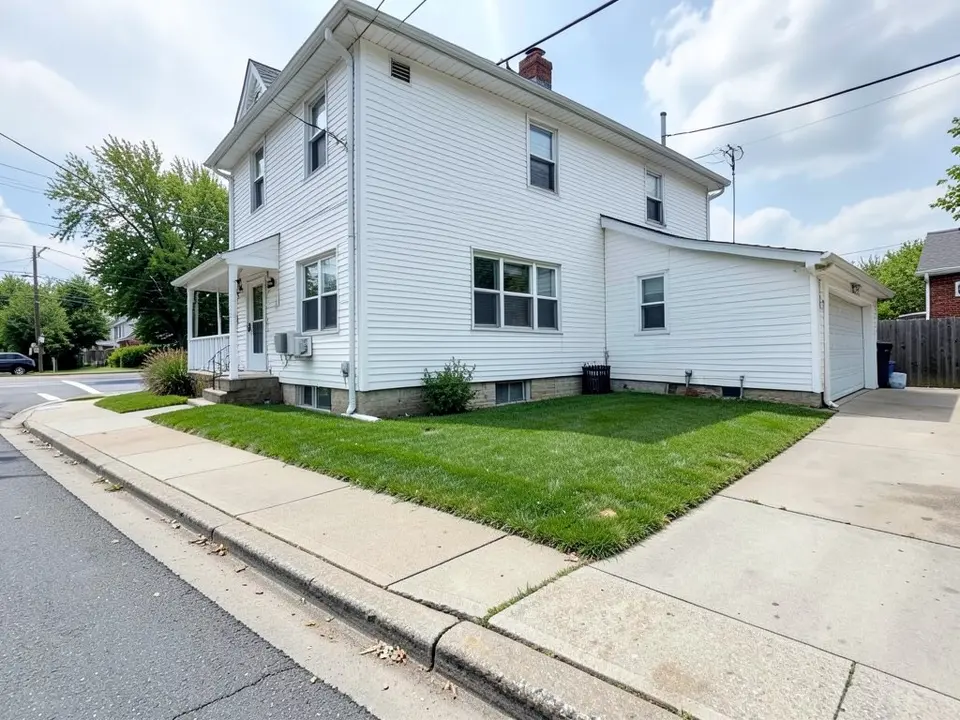
On a corner lot, the yard that faces the street does not stop at the front of the house. As Landscaping Network explains, the front yard wraps around one corner of the house and continues down the side. That gives you more ground to plan, and it puts more of it on view.
It also brings three problems that a mid-block yard rarely has: people cutting across the corner of the lawn, rules about what can grow near the intersection, and less privacy on the side that faces the street. The good news is that the side yard can be larger than a neighbor’s, so there may be room to fix all three.
Corner lot landscaping ideas
- 1. One bed that wraps the corner: Run a single planting bed along the front, around the corner and down the side. One continuous shape ties the two frontages together far better than separate beds on each street.
- 2. Repeat plants and materials: Use the same two or three shrubs, the same grass and the same mulch or edging on both streets, so the yard reads as one design from either direction.
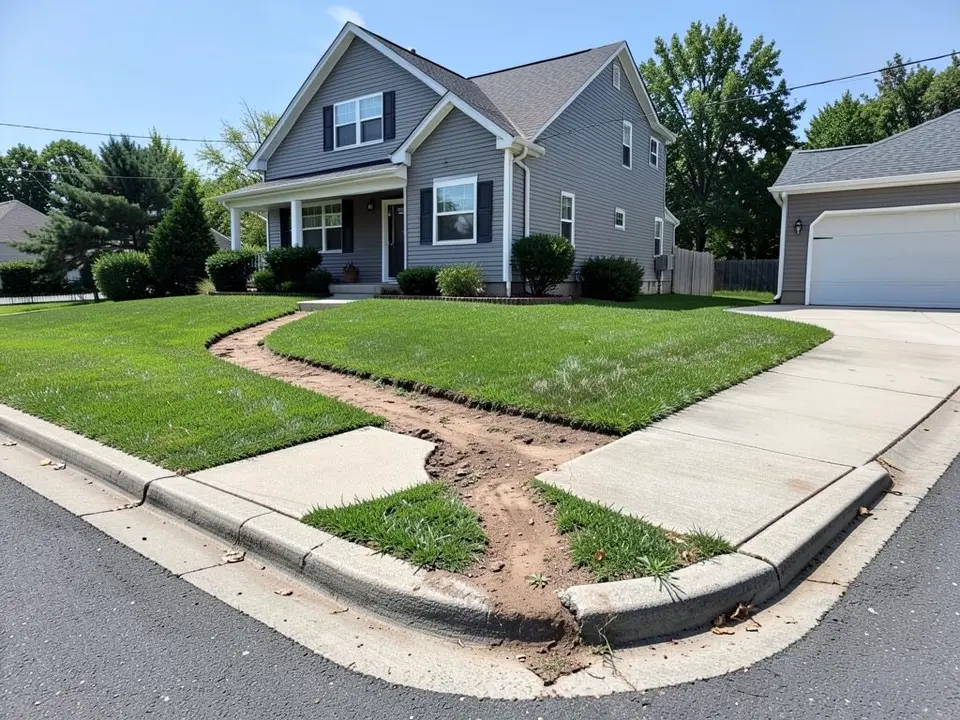
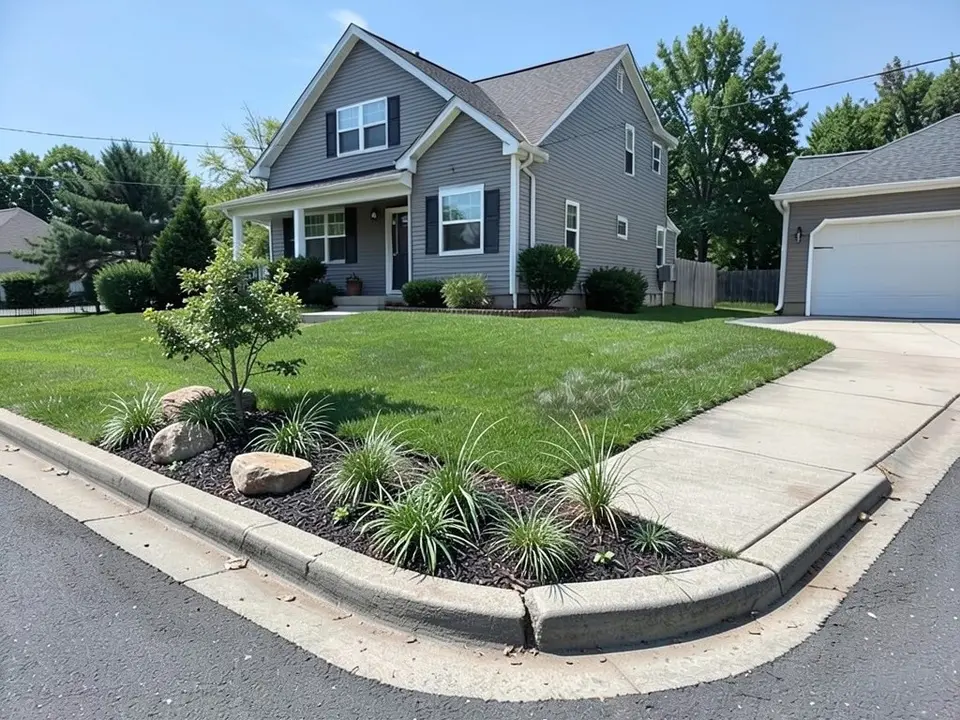
- 3. A low border where people cut across: To keep people and pets from crossing, Landscaping Network suggests boulders or a rock garden at the corner, gravel in place of lawn right at the corner, and shorter spreading grasses near the sidewalk, which help keep feet on it. If you would rather let them cross, it suggests an edge of pavers set in gravel with plants spaced well apart, so a shortcut does no harm. Our second example puts low boulders and grasses on a worn shortcut.
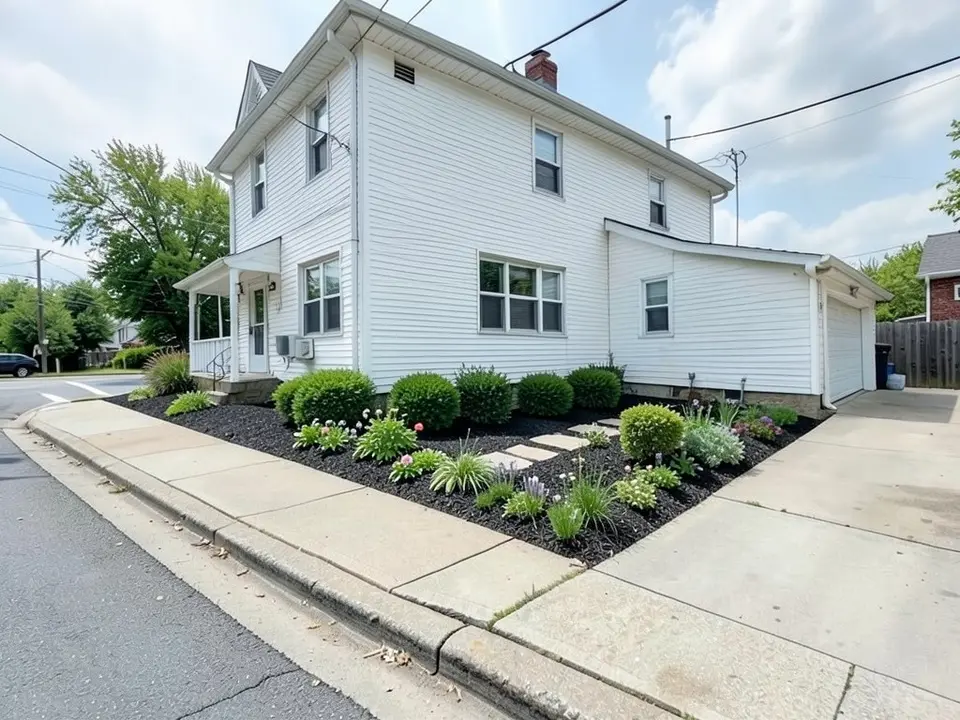
- 4. A layered bed along the side street: Low shrubs at the back near the house and smaller flowering plants in front turn a long, plain side lawn into a border, as in our third example. Keep the lowest plants at the end nearest the intersection.
- 5. A defined path: If people keep walking a line across your lawn, give them a path there: stepping stones, pavers or a gravel strip with edging. A clear route is easier than fighting the habit.
- 6. Trees set back from the corner: A tree or two gives the corner height and shade, but plant it well back from where the streets meet so it does not block drivers as it grows. Check the plant tag for the mature spread.
- 7. A low raised bed: Landscaping Network also suggests a slightly raised masonry bed reaching from the planting along the house out toward the corner. Keep whatever you build there within your local height rules.
Keep the corner low: sight lines
Many towns limit how tall plants, fences and walls can be near an intersection, so that drivers can see cross traffic and people on the sidewalk. Landscaping Network describes this as a clear zone measured back from the corner along both streets. The size of that zone and the height allowed differ from place to place, so check your city or county rules, and your HOA if you have one, before you plant or build anything near the corner.
Outside that zone you have more freedom, but low planting that steps up as it moves away from the corner is a safe pattern almost anywhere.
Privacy on a corner lot
The side yard is often where a corner lot loses privacy. Landscaping Network suggests a privacy hedge behind the clear zone near the corner and on down the side yard, with hardy evergreens to help soak up traffic noise. Any fence should sit behind that zone too; check your city or county rules and your HOA for what is allowed there. For more screening ideas, see our privacy landscaping ideas page, linked at the end.
How to try corner lot ideas on your own photo
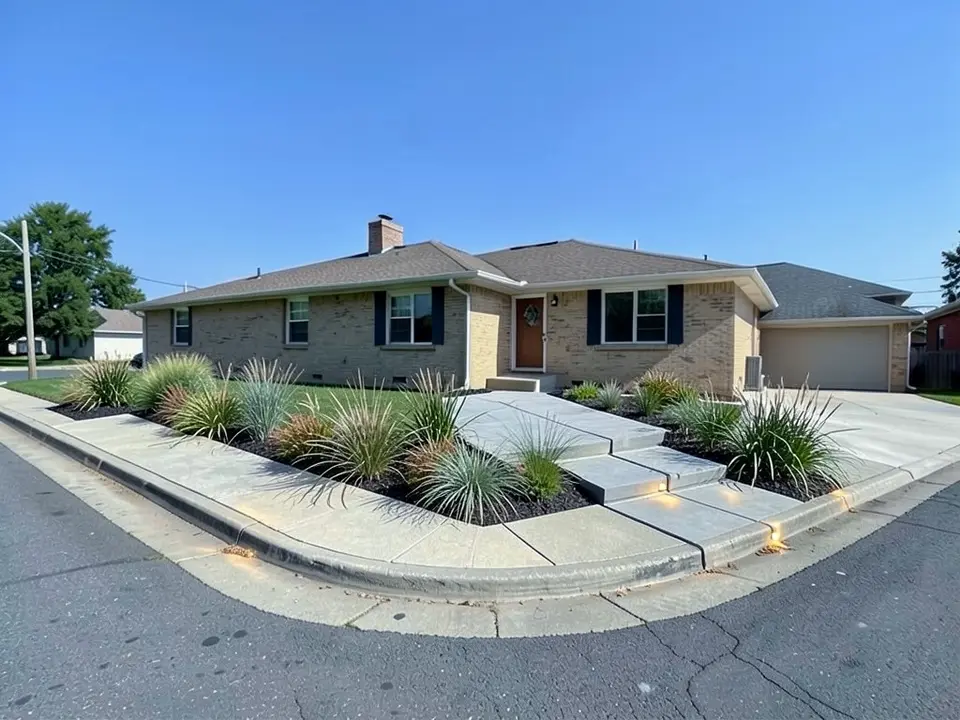
For a whole-yard makeover, the landscape tool has Modern and Low Maintenance styles built into its default Yard Redesign mode, so there is nothing to write. We sent the Modern style text to our own AI model to make the first example above; the tool’s default model may give different results. For one spot, such as the corner or the side yard, use Custom mode and describe it.
- Photograph the yard in daylight from across the street, ideally from the opposite corner so both frontages are in frame, with the phone level. For one spot, stand closer. JPG or PNG works.
- Open the landscape tool and sign in with Google or an email code. You get 1 free render with a free account.
- Under Select Landscape Mode, keep Yard Redesign, and under Choose a Landscape Style, pick Modern or Low Maintenance. Then upload your photo under Upload Your Garden Image and click Redesign My Yard.
- For the corner or the side yard, pick Custom instead. In the Custom Design Requirements box, describe the beds, borders, path and plants you want, ask for low plants near the corner, and say what must stay the same, such as the house, driveway, sidewalks and street. Upload your photo and click Generate Custom Design.
- Compare the result with your photo, change one thing at a time and run it again.
What the AI can and cannot do
The AI shows a look: how a bed, a border or a path would sit around your house on both streets, which helps you choose and explain what you want to a landscaper or your HOA.
It is not a plan. It does not know your local sight-line rules, your soil or how big a plant will grow, and it does not always follow the instruction: above, it put a tree near the street, removed a piece of sidewalk and a porch walk we asked it to keep, and drew grasses taller than this page advises. Results also vary between models and runs, so check each one against your photo.
The style text and instructions behind the examples
When you pick Modern in Yard Redesign mode, this is the style instruction the tool sends with your photo, word for word; it made the first example:
Redesign the landscaping of this yard in a modern style: clean lines, geometric planting beds, ornamental grasses, concrete or large-format pavers and low-voltage path lighting. Keep the house, windows, doors, roof, driveway, sidewalk, fences, sky and camera angle exactly the same; only change the lawn, plants, garden beds, garden paths and patio
These are the exact Custom-mode instructions we used for the second and third examples, in the same order. Choose Custom, paste one into the Custom Design Requirements box, then upload your photo. Swap in your own plants and what must stay, and keep asking for low plants near the corner.
- Replace the worn dirt shortcut and the lawn right at the street corner with a low corner bed: a few low boulders set along the curb, clumps of low ornamental grass and low flowering groundcover in dark mulch, all kept low so drivers can see over them. Plant one small flowering tree in the lawn near the front porch, far back from the street corner. Keep the rest of the lawn, the house, the front porch, the driveway, both concrete sidewalks, the curbs, the street, the sky and the camera angle exactly the same.
- Turn the strip of lawn between the side wall of the house and the public sidewalk into a long layered planting bed in dark mulch: low rounded shrubs at the back near the house and low flowering perennials in front. Inside the bed, add a narrow path of flat stepping stones running parallel to the house, from the driveway toward the front porch. At the left end, nearest the street intersection, keep the planting very low, only groundcover. Keep the house, the front porch, the driveway, the garage, the whole concrete sidewalk, the curb, the street, the utility poles, the sky and the camera angle exactly the same.
Frequently asked questions
How do I landscape both sides of a corner lot?
Treat the front and the side as one yard. Landscaping Network points out that on a corner lot the front yard wraps around one corner of the house and continues down the side. Repeat the same few plants, mulch and edging on both streets, and link them with one bed that turns the corner.
How do I stop people cutting across my corner?
Make the corner hard to walk through and the sidewalk easy to stay on. Landscaping Network suggests boulders or a rock garden at the corner, shorter spreading grasses near the sidewalk, or gravel in place of lawn at the corner; an edge of pavers in gravel with widely spaced plants lets people cross without damage. If people need a route, give them a defined path.
How tall can plants be near the corner?
It depends on where you live. Many towns limit the height of plants, fences and walls near intersections so drivers can see, and the rules differ by city and county. Check your local rules, and your HOA if you have one, before you plant near the corner.
How do I get privacy on a corner lot?
Screen the side yard, not the corner. Landscaping Network suggests a hedge that runs behind the clear zone near the intersection and down the side yard, and says hardy evergreens can help absorb traffic noise. Keep fences behind that zone too.
What low-maintenance plants suit a corner lot?
Hardy evergreen shrubs, short ornamental grasses and low groundcovers in mulched beds, chosen for your own climate, sun and soil. Fewer lawn edges along the two streets also means less mowing and trimming.
Is a corner lot harder to landscape?
There is more to plan: two street frontages, more people passing, foot traffic at the corner and rules near the intersection. Planning it in zones (the corner, the front, the side) makes it manageable, and a side yard that can be larger than a neighbor’s gives you more room to work with.
Will the AI keep my house, driveway and sidewalk?
It usually keeps the house, but not always everything around it. In our examples it removed a short piece of sidewalk, covered the walk to a porch with mulch, redrew part of a sidewalk as steps and appears to have narrowed a driveway where it meets the street. Name what must stay the same in your instruction and check the result against your photo.
Do I need an account, and is it free?
You need an account, and it is free: 1 free render with a free account, and free renders carry a watermark. More renders and no watermark come with a paid plan.
Source
The ideas credited to Landscaping Network on this page come from this guide. Your city or county planning office can tell you the sight-line rules where you live.