
What makes a small front yard look good
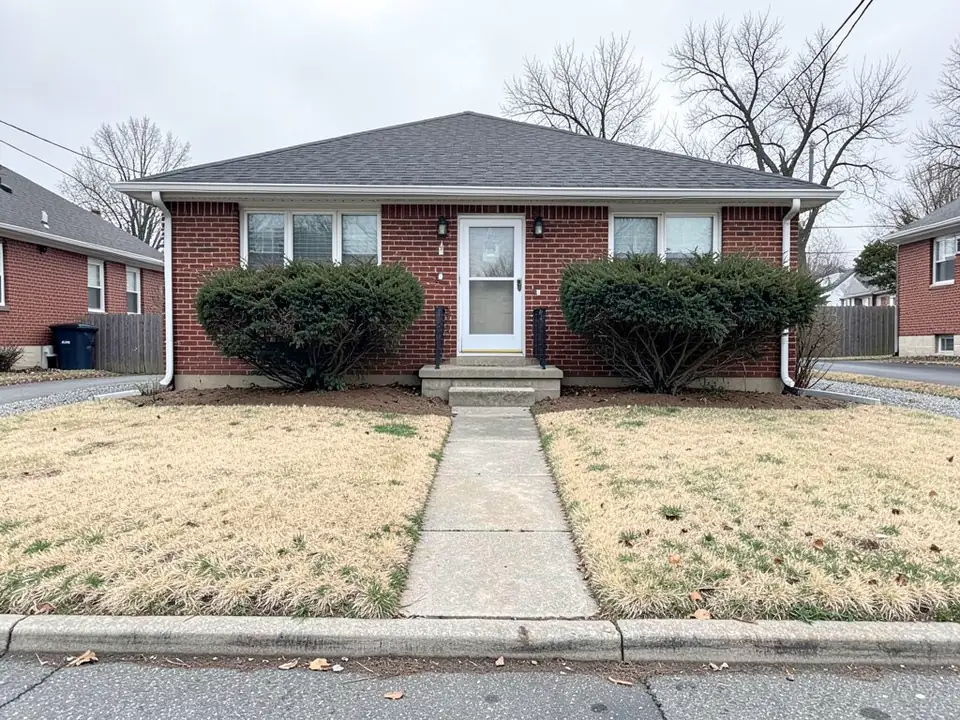
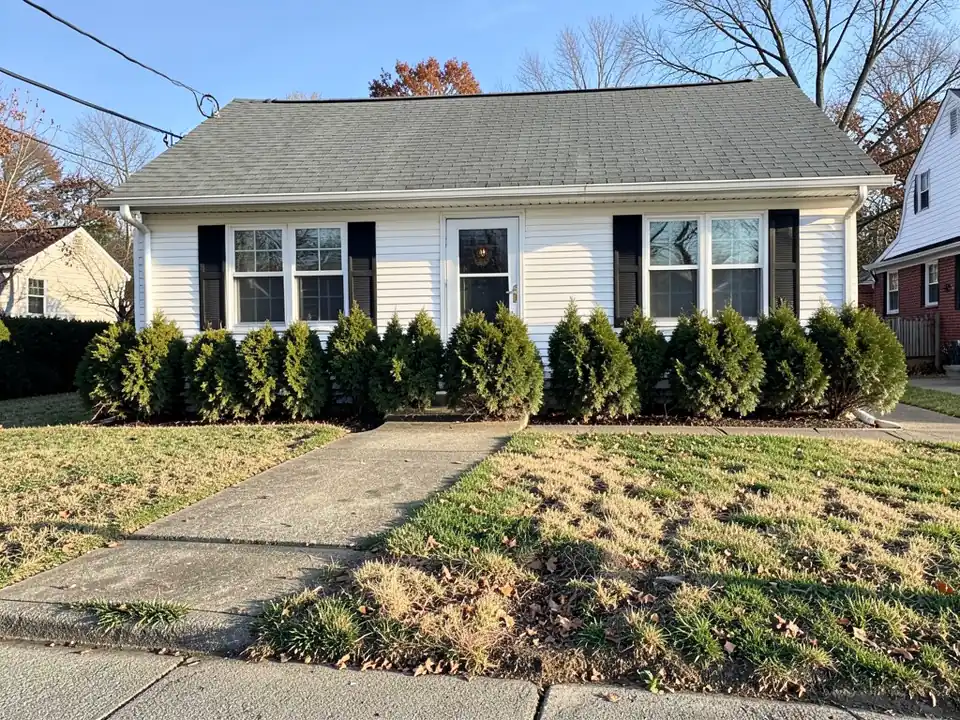
In a small front yard every plant and surface is seen at once, so the rule is fewer, bigger decisions: one focal point, a few plant types repeated, and a clear path to the door. Most tired small yards share three problems: shrubs that now cover the windows, a thin lawn nobody uses, and bare soil along the foundation. Fixing those changes the look of the whole house.
12 small front yard landscaping ideas
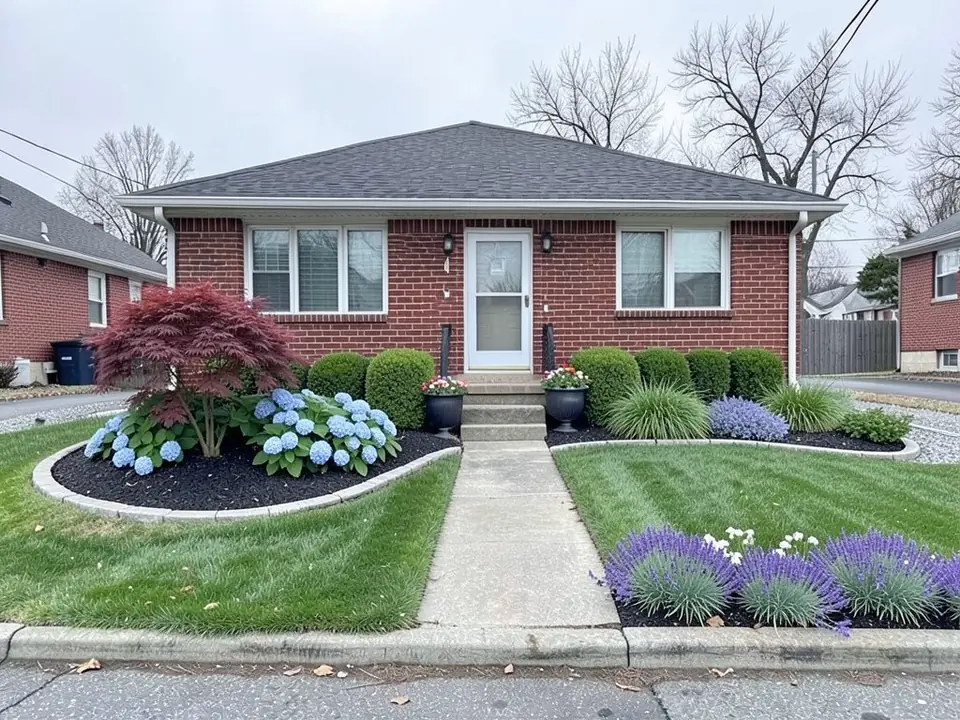
- Pick one focal point: A small tree such as a Japanese maple, serviceberry or dwarf crabapple, one large urn, or a bench by the door. Place it off-center so it balances the entry instead of blocking it.
- Shrink or remove the lawn: A small lawn needs the same mowing routine as a big one. Keep a simple rectangle or curve if you use it, or replace it with beds, gravel or groundcover.
- Layer plants by height: Low edging plants in front, perennials and grasses in the middle, a few shrubs near the wall. Layering makes a shallow bed look deeper.
- Keep foundation shrubs below the windows: Swap overgrown junipers and yews for compact or dwarf varieties. Check the tag for mature height and width, not the size in the pot.
- Widen the path: A walk of about 4 feet lets two people walk side by side. Large pavers or flagstone set in gravel look better than a narrow concrete strip.
- Curve the bed edges: A broad curve along the walk softens a boxy lot and leads the eye to the door. Tight wiggles look busy in a small space.
- Edge everything cleanly: Stone, brick or steel edging keeps mulch and gravel in place. In a small yard, clean edges do more than extra plants.
- Use containers at the entry: A matching pair of planters beside the steps frames the door and lets you change color each season without digging.
- Go vertical: Narrow upright evergreens, a trellis with a climbing rose or clematis, or window boxes add green without using ground space.
- Repeat a short plant list: Choose three to five plants and repeat them in groups of three or five, so the yard reads as one design instead of a collection.
- Add path lights: A few low-voltage or solar lights along the walk and one on the focal tree make the entry safer and the yard look larger at night.
- Choose low-maintenance plants for your region: Native and climate-adapted perennials, ornamental grasses and groundcovers such as creeping thyme or sedum need less water and trimming. Your local extension service can tell you what does well where you live.
Ideas by the kind of small yard you have
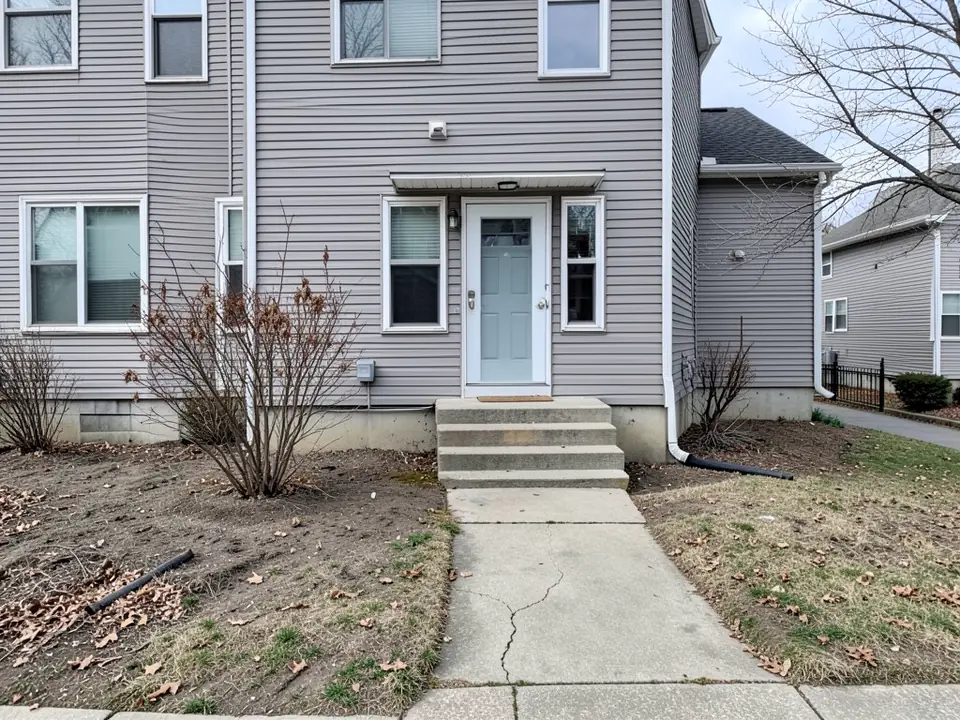
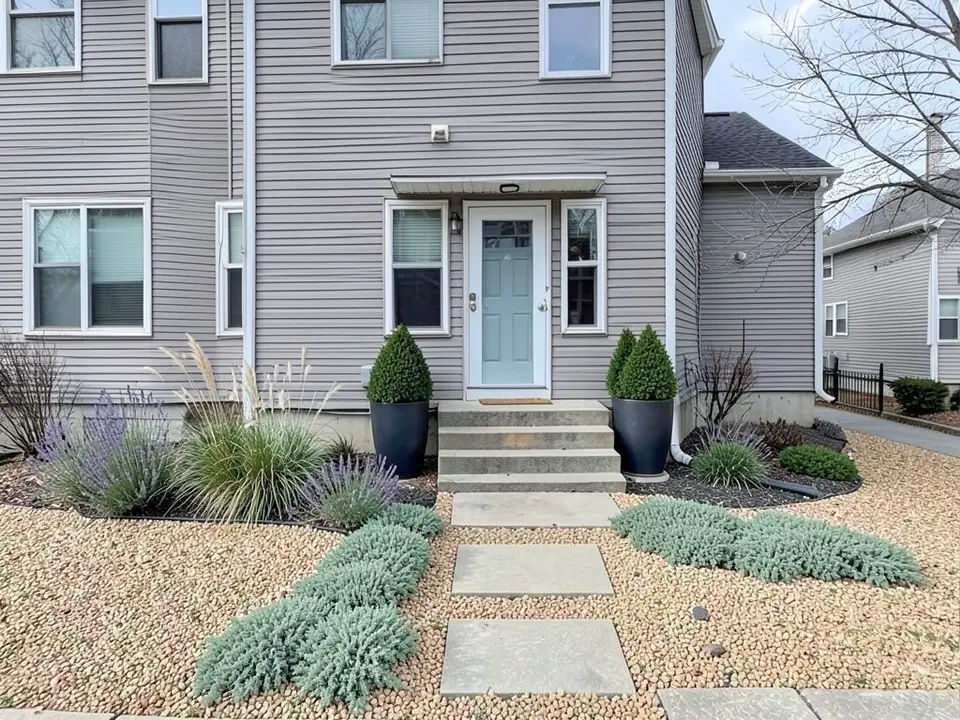
- Tiny townhouse or row house yard: Skip the lawn. Gravel or decomposed granite with low groundcover, one narrow bed along the wall and two planters at the steps.
- Shallow strip in front of a ranch or bungalow: Widen the foundation bed to 4 to 6 feet so plants have room to layer, and pull the lawn back to a simple shape.
- Shady small yard: Hostas, ferns, heuchera and shade-tolerant groundcovers fill a north-facing yard where grass struggles. Light-colored gravel or pavers brighten it.
- Small sloped front yard: A low retaining wall or large stones set into the slope create flat planting pockets, and spreading groundcovers hold the soil so you never mow a hill.
Mistakes that make a small yard look smaller
Before you dig, call 811 to have underground utility lines marked, and check your HOA rules if you have one.
- Too many different plants: One of everything looks cluttered. Group and repeat.
- Shrubs that will outgrow the space: Fast growers next to the house end up covering windows and need hard pruning every year.
- Lots of small decorations: Gnomes, small statues and many little pots break the space into pieces. One larger feature reads better.
- A path that is too narrow: A cramped walk makes the whole entry feel cramped.
Try these ideas on a photo of your own yard
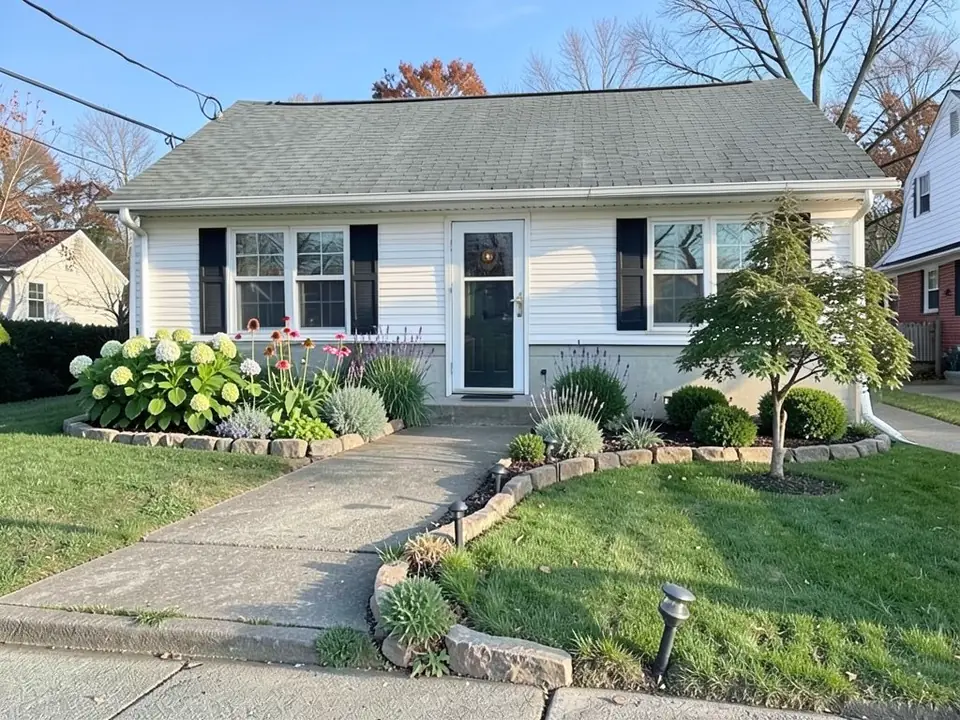
Ideas are easier to judge on your own house. Our landscape tool takes a photo of your front yard and returns an AI-edited image of the same view, with the house kept and the landscaping redesigned.
- Take a level daylight photo from the sidewalk or street that shows the whole yard and the front of the house.
- Open the landscape tool and sign in with Google or an email code. You get 1 free render with a free account.
- Upload the photo and pick a style in Yard Redesign mode (Low Maintenance, Cottage Garden and Modern suit most small yards), or use Custom mode to describe the ideas you want.
- Generate, compare it with your photo, then change one thing at a time and try again.
What the AI can and cannot do
It redraws your photo as a new image, which helps you compare looks and agree on a direction with your family or a landscaper. It does not produce a measured plan, a plant list or a cost estimate, and it does not know your climate. Plants in the image are AI-drawn approximations, so confirm species with a local nursery. Small details of the house can shift between versions.
Instructions you can paste into Custom mode
Open the landscape tool, pick Custom, upload your photo and use one of these as a starting point. Edit the plant names to suit your area.
- Redesign this small front yard: remove the overgrown shrubs, add curved mulched beds along the house with low boxwoods, hydrangeas and catmint in layers, one small Japanese maple as a focal point, stone edging and a smaller neat lawn. Keep the house, windows, door and camera angle the same.
- Replace the lawn in this tiny front yard with pea gravel and creeping thyme, a narrow bed of ornamental grasses and lavender along the wall, large square pavers for the path and two tall planters beside the steps. Keep the house the same.
Frequently asked questions
How do I make a small front yard look bigger?
Use fewer plant types and repeat them, keep one focal point, edge beds cleanly and give the path a generous width. Removing shrubs that cover the windows and replacing a thin lawn with a bed or gravel area also opens the space up.
What is the cheapest way to landscape a small front yard?
Mulch, a few groups of perennials, clean edging and a pair of planters by the door go a long way. Turning a patchy lawn into mulched or gravel beds usually costs less than reseeding and maintaining grass every year.
Should I keep grass in a small front yard?
Keep it only if you use it or your HOA requires it, and give it a simple shape. A small regular lawn panel looks neater than leftover grass around beds.
Can I see these ideas on a photo of my own yard?
Yes. Upload a photo of your front yard to our landscape tool, pick a style or describe the changes in Custom mode, and the AI returns an edited image of the same view.
Is the AI landscape tool free?
Yes, to start: 1 free render with a free account, and free renders carry a watermark. More renders and no watermark come with a paid plan.
Will the AI tell me which plants to buy?
No. The image shows a design idea, and the plants in it are AI-drawn approximations. Use it to choose a look, then confirm species for your climate with a local nursery or extension service.