
Flower bed ideas for the front of the house
Front beds are seen first, so give them a structure that looks good all year and color that changes with the seasons.
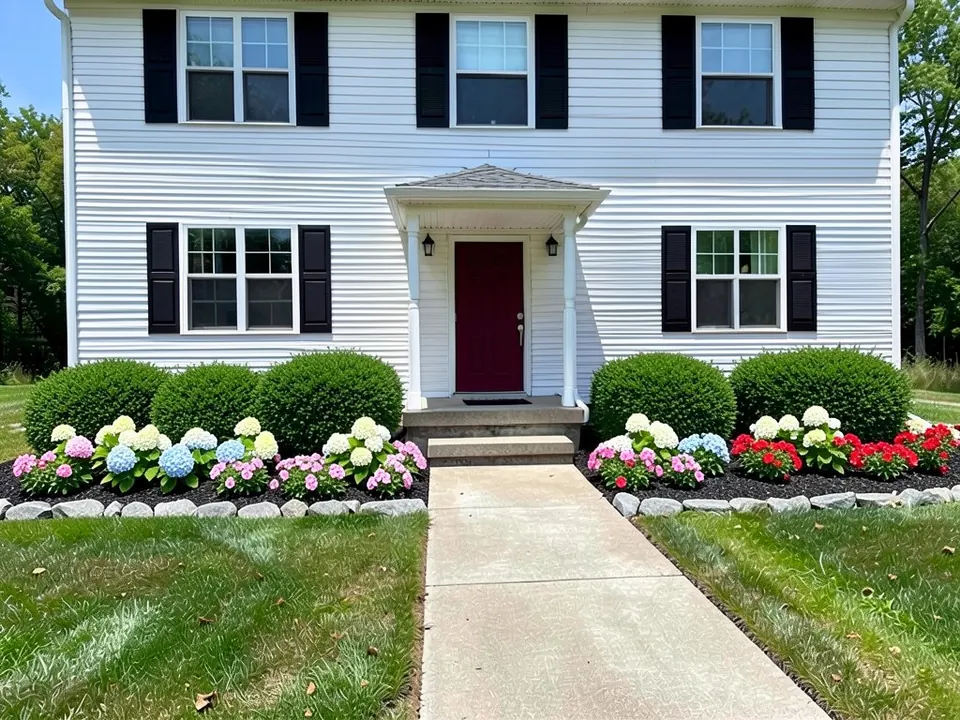
- 1. Layered foundation bed: Evergreen shrubs such as boxwood at the back near the wall, flowering shrubs such as dwarf hydrangeas in the middle, and seasonal flowers along the front, so every plant can be seen from the street.
- 2. Matching beds on both sides of the entry: Two beds that mirror each other on either side of the steps or walkway give a formal, tidy look. Repeat the same shrub and the same flower on both sides.
- 3. Walkway border: A narrow strip of low flowers along the front path leads visitors to the door. Keep it low enough that plants do not flop onto the path.
- 4. Pick colors from the house: Choose one or two flower colors that go with the door, shutters or trim, and fill in with white flowers or green foliage.
Simple and low-maintenance flower bed ideas
- 5. Reliable perennials: Plants that come back every year, such as coneflowers, daylilies, salvia, sedum and lavender, save replanting each spring. Check that each one is hardy where you live.
- 6. Shrubs plus a few flowers: Mostly compact evergreen shrubs and mulch, with a handful of perennials for color, needs far less upkeep than a bed of annuals.
- 7. Plant in groups of three or five: A Bob Vila guide suggests buying three to five of a few plant types instead of one each of many, and setting them in a loose triangle. Repeating a few plants is also the easiest way to make a small bed look planned.
- 8. A budget bed from seed: Annuals that are easy to grow from seed, such as zinnias, cosmos and marigolds, fill a new bed cheaply in the first summer while slower perennials grow in.
Borders along fences, walls and the lawn
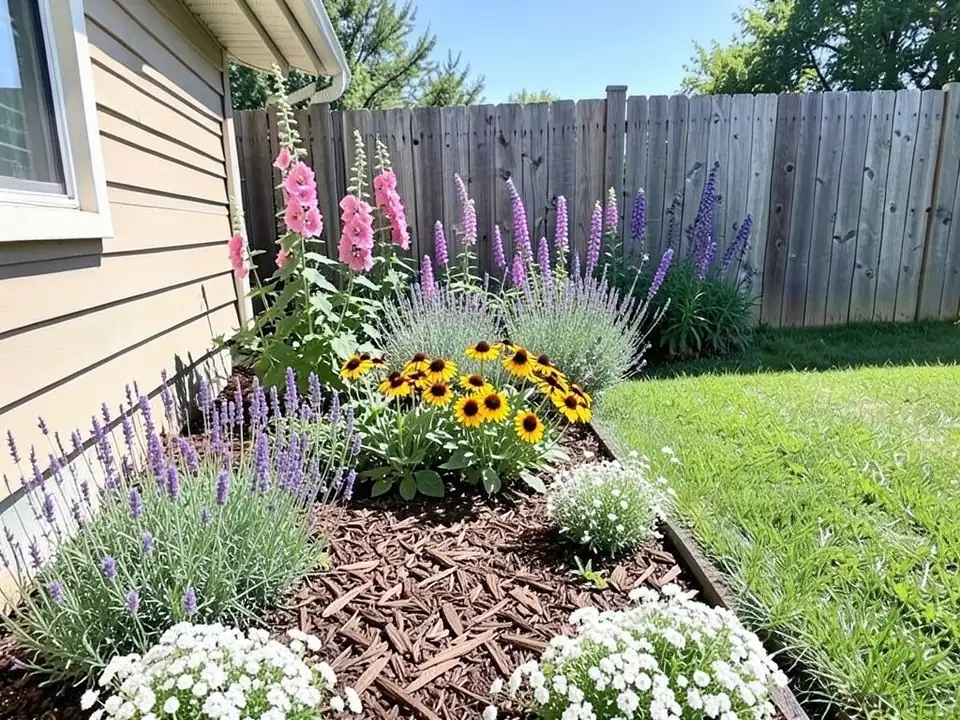
- 9. Cottage border against a fence: Tall flowers such as hollyhocks at the back, mid-height perennials in the middle and a low edging plant in front soften a plain fence.
- 10. A curved edge instead of a straight one: Garden Design notes that rectangular beds suit a formal garden and curved beds an informal one. Lay a garden hose on the lawn to try different curves before you cut the edge.
- 11. Raised bed along the fence: Where the soil is poor or full of rubble, a raised bed filled with new soil can be easier than fixing the ground, and it lifts flowers closer to eye level.
Beds around trees, mailboxes and other focal points
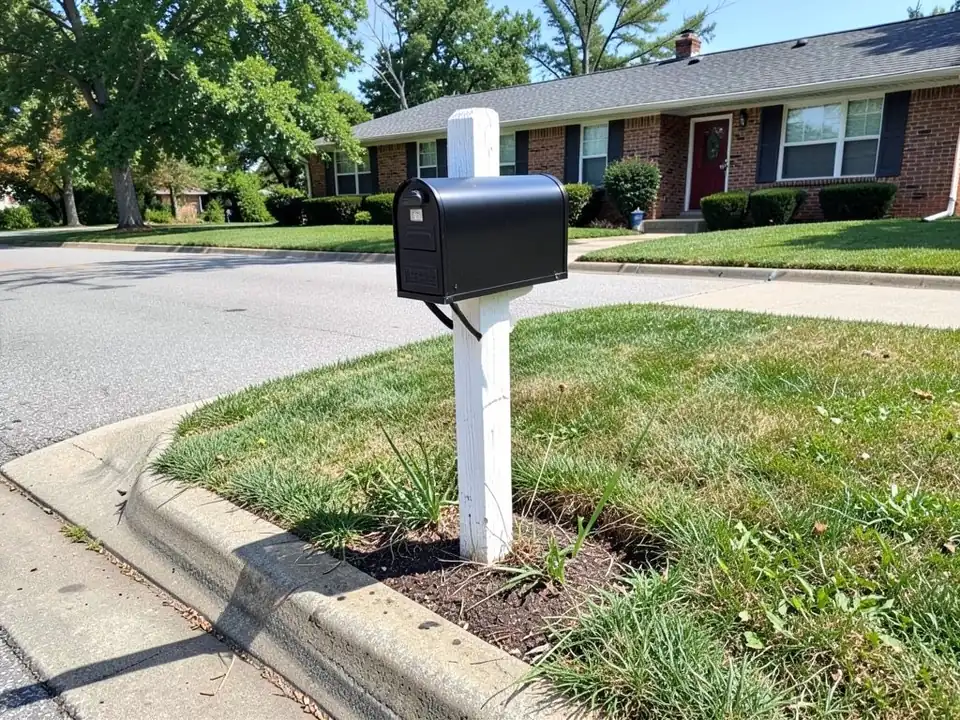
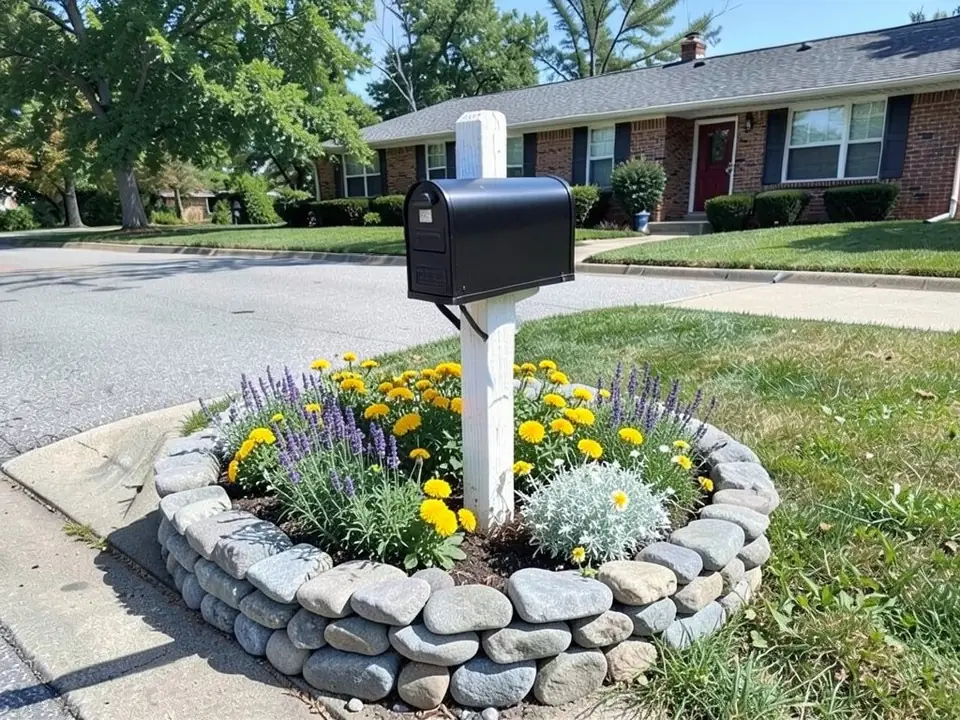
- 12. Mailbox bed: A small bed around the post, edged with stone or brick and planted with low flowers, turns a weedy patch into a welcome. Keep the street side low so the carrier can still reach the box.
- 13. Shade ring under a tree: Do not build a raised bed or pile soil around a tree. University of Maryland Extension advises against changing the soil level over tree roots, because it cuts their oxygen and the damage can take years to show. Set small plants into the existing soil between the roots.
Flower beds for sun and for shade
Before you choose plants, watch the spot through a full day and note when it gets direct sun. Plant tags and local nurseries describe plants as full sun, part shade or shade, so match the bed to what the spot really gets.
- 14. Full-sun bed: Lavender, coneflowers, black-eyed Susans, salvia and lantana are common choices for hot, sunny beds, often with ornamental grasses for movement.
- 15. Shade bed: Hostas, ferns, astilbe, coral bells and begonias rely on leaf shape and color more than on flowers. Mix big and fine leaves and light and dark greens so the bed does not look flat.
Before you dig: what to check
- Call 811 first (US): 811 is the free national before-you-dig service. Call or use your state 811 center's website a few business days before digging, even for planting shrubs, because some utility lines are buried only inches deep.
- Mature plant size: Read the tag for each plant's grown height and width and space plants for that size, not for the size of the pot. Shrubs planted too close to the house or to each other soon need constant cutting back.
- Soil and drainage: Garden Design recommends loosening the soil in a new bed 8 to 12 inches deep and mixing in compost. If water stands in the spot after rain, choose plants that tolerate wet soil or build a raised bed.
- Edging and mulch: A clear edge of stone, brick or metal, or a cleanly cut lawn edge, keeps grass out and makes even a simple bed look finished. Mulch helps hold moisture and keep weeds down.
- Plant in phases: On a tight budget, plant the shrubs first, then add perennials and annuals over the next seasons. A picture of the finished design keeps each purchase on plan.
How to try a flower bed idea on your own photo
There is no one-click flower bed preset in the tool. You describe the bed in Custom mode, and your own written instruction becomes the design brief. The Cottage Garden style in Yard Redesign mode is another option, but it redesigns the whole yard, not one bed.
- Photograph the spot in daylight from where you usually see it, with the phone level and the whole bed area in frame: the house wall, fence or mailbox and a strip of lawn. JPG or PNG works.
- Open the landscape tool and sign in with Google or an email code. You get 1 free render with a free account.
- Pick Custom and type the bed you want in the Custom Design Requirements box: where the bed goes, its shape and edging, and the plants from back to front. Say what must not change (house, windows, fence, lawn, camera angle). Then upload your photo.
- Click Generate Custom Design, compare the result with your photo, then change one thing at a time, such as the flower colors or the edging, and run it again.
What the AI can and cannot do
The AI shows a look: where a bed could go, how big it could be, and how its colors and edging sit against your house. That makes it useful for choosing between ideas and for showing family or a landscaper what you mean.
It is not a planting plan. It does not know your climate, soil or sun, it does not space plants, and the flowers it draws are approximations that may not match the species you named. It can also change small things you did not ask for, as the captions above show. Choose the real plants with a local nursery or the plant tags.
Flower bed instructions to paste into Custom mode
In the landscape tool, choose Custom, paste one of these into the Custom Design Requirements box, then upload your photo. Swap in your own plants, colors, edging and the part of the yard where the bed goes.
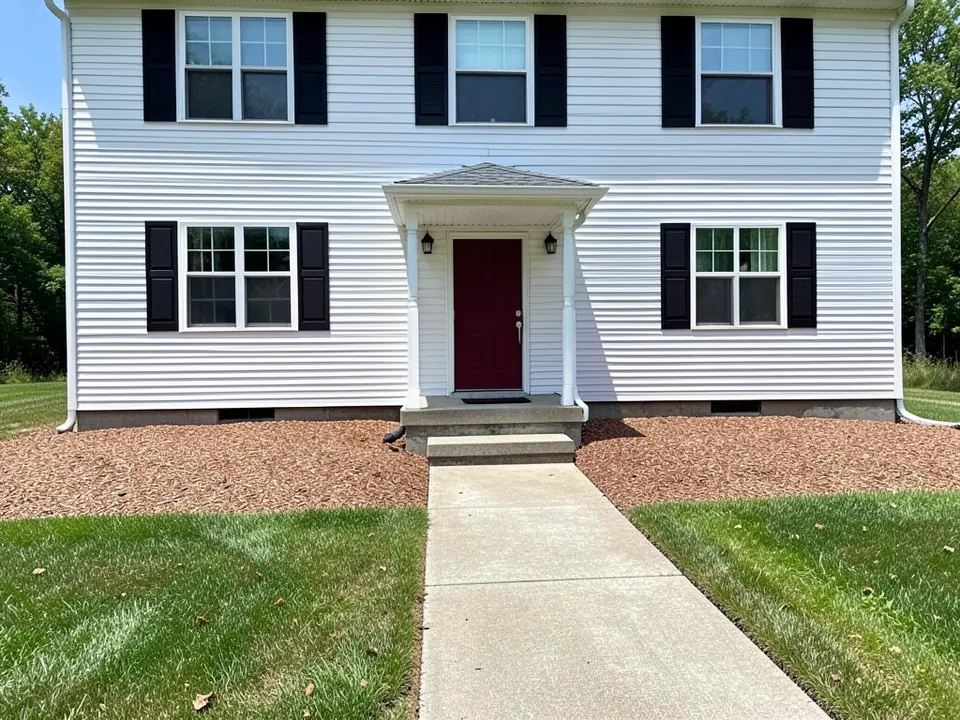
- Plant a layered flower bed in the mulch strip along the front of the house: rounded boxwood shrubs at the back near the wall, white hydrangeas in the middle and pink and white annuals along the front, with a low natural stone edging on the lawn side. Keep the house, windows, door, porch, walkway, lawn, sky and camera angle exactly the same.
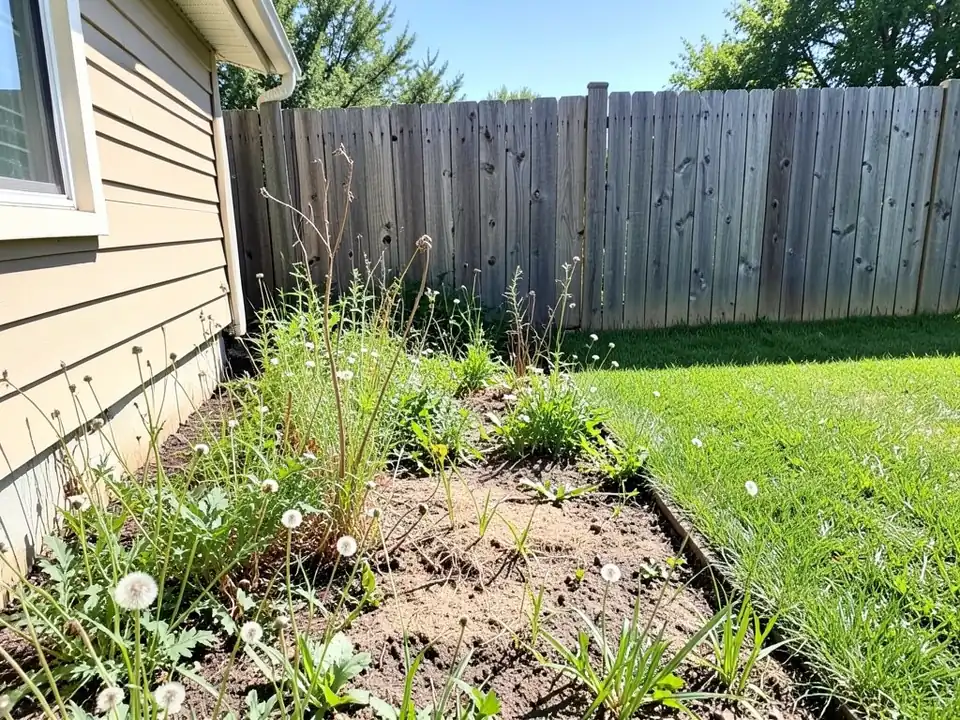
- Replace the weedy bed along the fence with a cottage-style flower border: tall pink hollyhocks at the back, lavender, purple coneflowers and yellow black-eyed Susans in the middle, low white flowers in front, fresh brown mulch and a clean curved edge to the lawn. Keep the fence, house, lawn and camera angle exactly the same.
- Build a raised circular flower bed around the base of the mailbox post with a low wall of stacked gray river rocks, planted with yellow marigolds and purple salvia. Keep the mailbox, post, lawn, curb, street, house and camera angle exactly the same.
Frequently asked questions
What are the easiest flower bed ideas for beginners?
Start with one small bed in a spot you see every day. Use a few reliable perennials such as daylilies and coneflowers, repeat them in groups, and mulch to keep weeds down. Where the ground is poor, a raised bed filled with good soil is an easy start.
How do I design a flower bed for the front of my house?
Use evergreen shrubs at the back, flowering shrubs or perennials in the middle and low flowers in front, in one or two colors that suit the door and trim. Leave room for each plant's mature size, add a clear edge, and try two or three versions on a photo of your house.
What flowers bloom all season long?
Few plants flower from spring to frost alone. Long bloomers such as geraniums, lantana and reblooming daylilies help, and plants that flower one after another keep color going. Ask a local nursery what does well in your area.
What are the best plants for a low-maintenance flower bed?
Tough perennials such as lavender, coneflower, sedum and salvia, plus a few compact evergreen shrubs, need little care once established, if they suit your climate, sun and soil.
Can the AI suggest plants for sunny or shady spots?
No. The tool draws the bed you describe and does not recommend plants. Name sun or shade plants in your instruction, such as lavender for a sunny bed or hostas and ferns for a shady one, and check real plants' needs on their tags or with a nursery.
Can I design a raised bed or a fence-line bed?
Yes. In Custom mode, describe the bed's place and shape, such as a raised stone bed around the mailbox or a curved border along the back fence, plus the plants and edging. The fence-line and mailbox examples on this page were made from instructions like that.
How realistic are the AI flower bed designs?
They look like photos and are good enough to judge a bed's size, shape, colors and edging on your house. They are not exact: plant species are approximate, sizes are not to scale, and small details of your photo can change. Use the picture to choose a direction, not as a shopping list.
Do I need an account, and is it free?
You need an account, and it is free: 1 free render with a free account, and free renders carry a watermark. More renders and no watermark come with a paid plan.