Lawn alternatives compared
| Alternative | Best for | What to know |
|---|
| Creeping thyme | Sunny, well-drained spots | A low, scented carpet that flowers; guides suggest it for light foot traffic and gaps between stepping stones rather than a playing field |
|---|
| Clover | Sun to part shade, a softer lawn feel | Stays green with little feeding and mowing; it is the closest swap for grass, and we have a page on clover lawns |
|---|
| Sedum and other succulents | Hot, dry, sunny areas | Very low water once settled; not meant for walking on |
|---|
| Moss | Damp shade where grass will not grow | Likes moist, acid, shaded ground and is not for dry sun or heavy use |
|---|
| Shade groundcovers (sweet woodruff, lilyturf, ferns) | Under trees and on the shady side of the house | Fill ground that lawn grass struggles on; they need the right soil and some water while they establish |
|---|
| Meadow or wildflower mix | Larger sunny areas | Supports pollinators and needs far less mowing; it looks sparse in the first season and needs weeding as it starts |
|---|
| Ornamental grasses | Sun, borders and slopes | Add height and movement; they are planted in clumps rather than as a walkable surface |
|---|
| Gravel garden | Hot, dry, sunny areas, front yards | Needs no mowing or watering for the gravel itself; it needs edging, a weed barrier and plants chosen for dry soil |
|---|
These are the alternatives the lawn-replacement guides ranking for this search keep returning to. The table says where each one works and the main thing to know before you plant it.
Groundcovers for shade and for sun
Match the plant to the light first. In shade, moss, sweet woodruff, lilyturf and ferns are the plants the guides name most often, while sun-lovers such as thyme, clover and sedum are for open ground. A plant sold for shade will sulk in baking sun, and the other way round.
Check the plant for how it spreads. Some popular groundcovers spread fast and can escape into neighbouring beds or natural areas, and some are listed as invasive in some regions. Your local extension service or native plant society can tell you which to avoid where you live.
Meadows, gravel and rock gardens
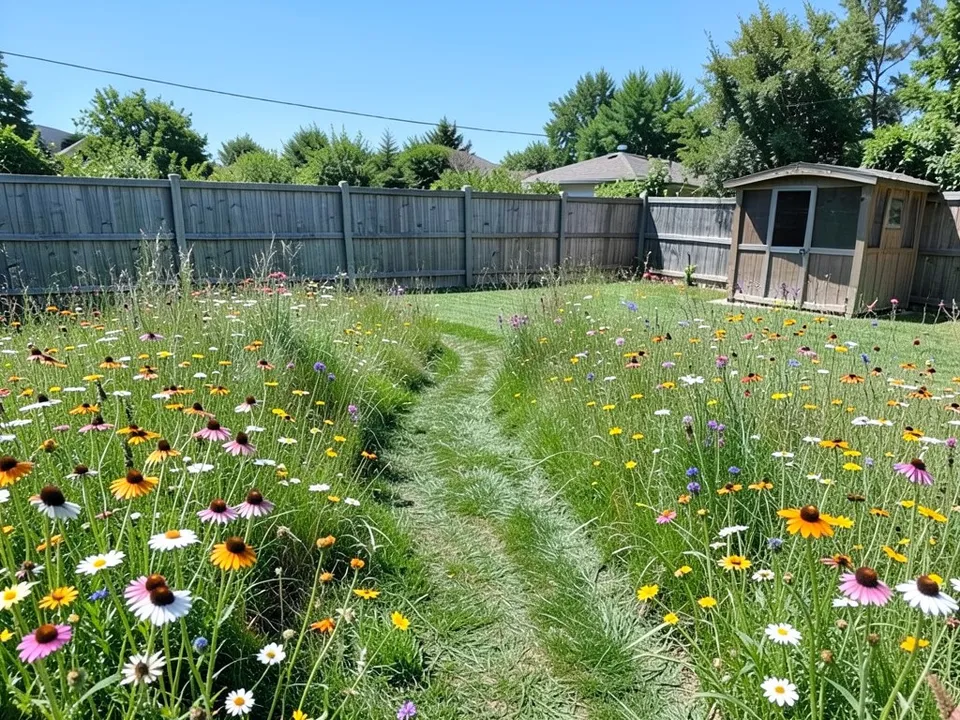
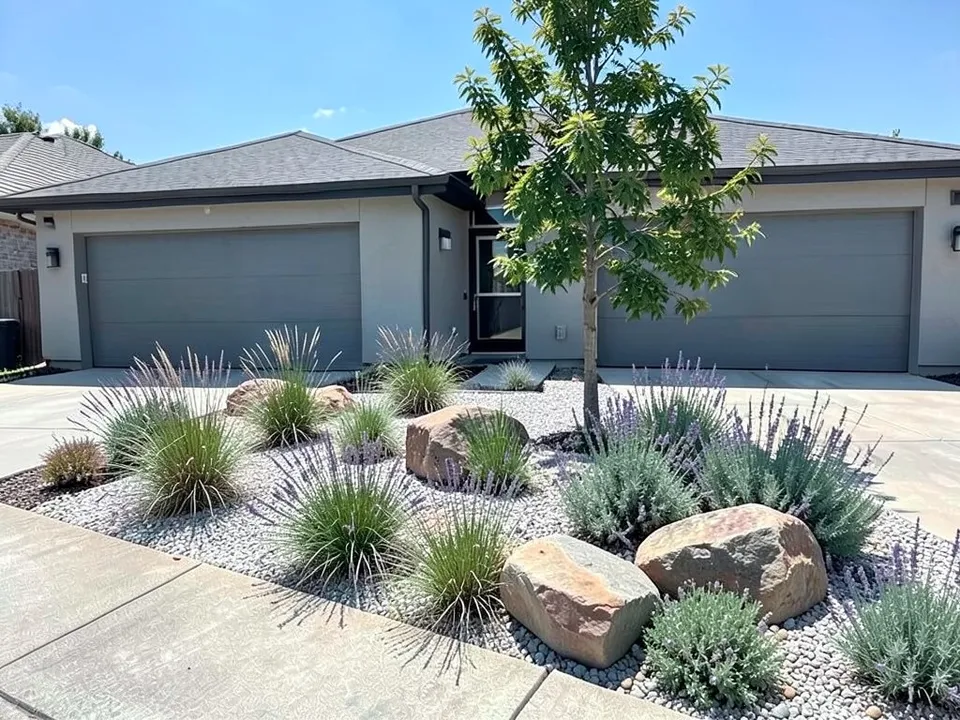
If you want a bigger change than a groundcover, a meadow turns a lawn into a flowering area with a mown path through it, which keeps a place to walk. A gravel or rock garden suits a dry, sunny yard and is built with edging, a weed barrier and drought-tolerant plants. Our pages on gravel backyards and rock gardens cover the layout.
What to check before you remove the grass
- Foot traffic: Walking, kids and dogs are hard on most alternatives. Keep grass, or add a path or stepping stones, where people and pets go every day.
- Sun and water: Note how many hours of sun each part of the yard gets, and how wet or dry the soil is, before you choose the plant.
- Removing the lawn: Guides describe covering with cardboard or removing the sod, then planting. Do it in the right season for the plant you chose.
- Rules: Some homeowner associations and councils set rules for front yards and plant height. Check yours.
- First year: New plantings need water and weeding until they fill in, and they look thin at first.
When grass is still the better choice
For a play area, a dog run, or a space used for games, lawn handles heavy foot traffic better than most of these. Many yards do best with a mix: grass where people walk and play, and an alternative where they do not. Our no-grass backyard page covers designs that go further, with patios, decks and turf.
How to try a lawn alternative on your own yard photo
Use Custom mode for this. The Yard Redesign styles change the whole garden, while Custom lets you name the plants or surface you want and say what must stay the same.
- Take a daytime photo of the lawn area from a spot that shows the whole patch you want to replace, with the house, path or fence for scale.
- Open the landscape tool and sign in with Google or an email code. You get 1 free render with a free account.
- Under Select Landscape Mode, pick Custom.
- In the Custom Design Requirements box, name the plants or surface you want instead of grass, say which parts of the yard it covers, and list what must stay the same (house, trees, fence, paths).
- Drop your photo into Upload Your Garden Image and press Generate Custom Design.
- Check what it drew, change one thing at a time (a different plant, a wider path) and run it again.
What the AI can and cannot do
The AI shows a look: how a kind of groundcover, meadow or gravel bed would sit in your yard with the house, trees and path. That helps you choose and explain what you want to a nursery or a landscaper.
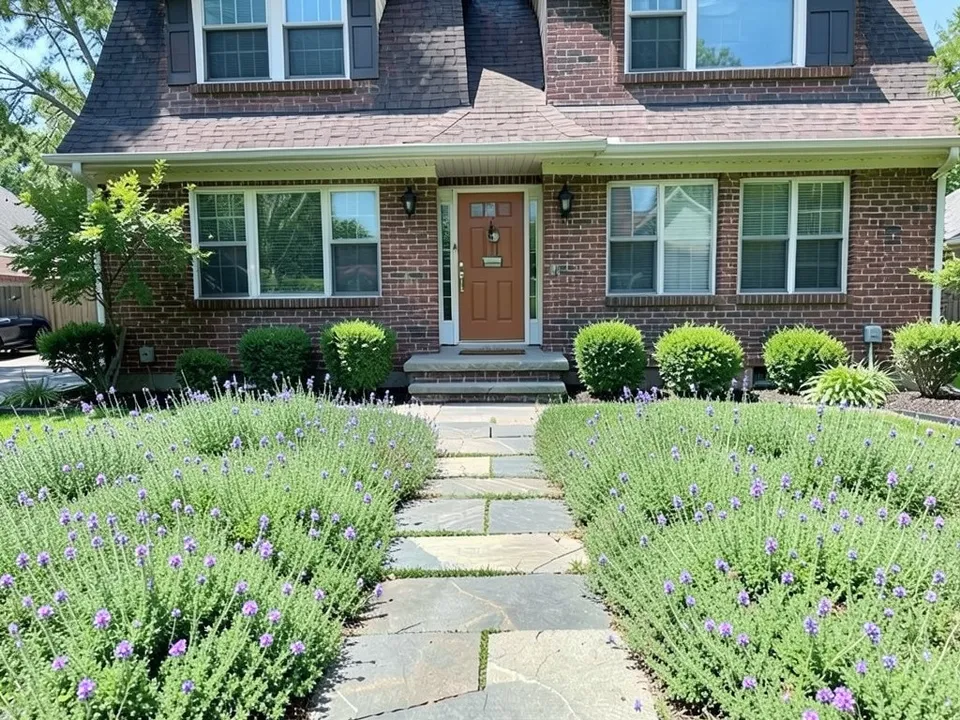
It does not pick plants for your soil, climate or shade, and it draws plants at a mature size, so a new planting will look thinner and lower than the picture. It can also swap one plant for another that looks similar, as the first example shows, so check the plant name and its real height before you buy.
Lawn alternative instructions to paste into Custom mode
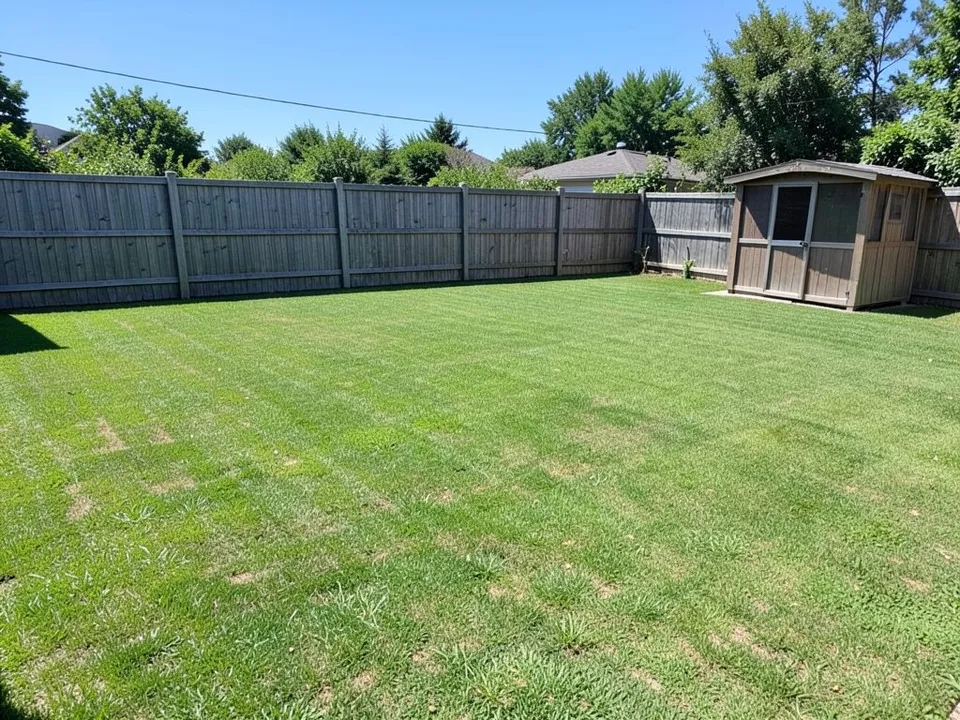
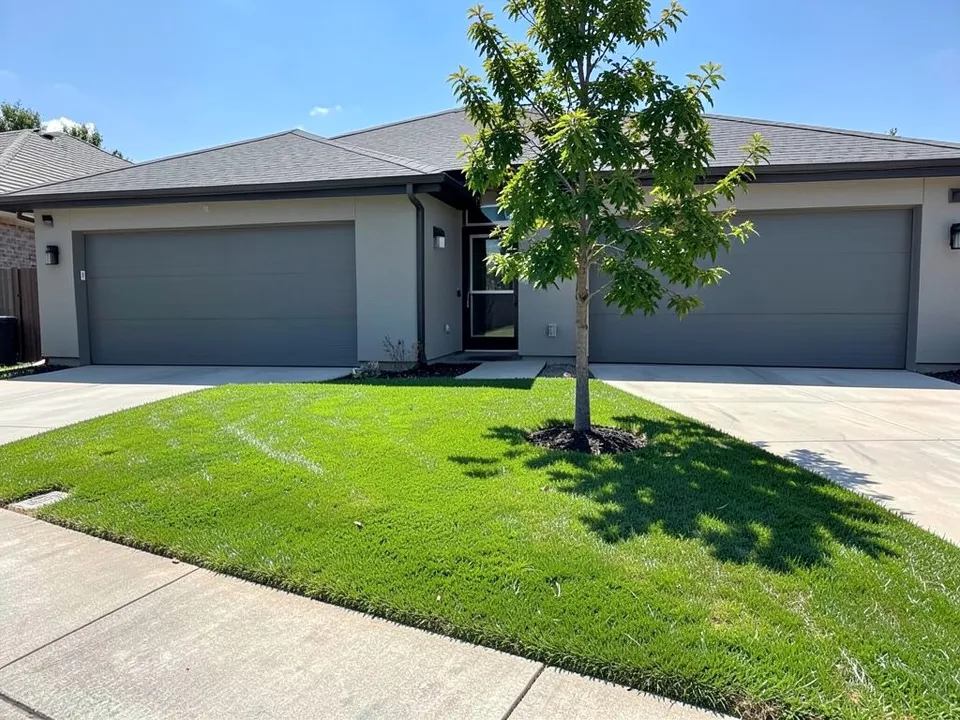
These are the exact instructions we used for the four examples above, in the same order. In the landscape tool, choose Custom, paste one into the Custom Design Requirements box, then upload your photo. Swap in your own feature, plant, spot and what must stay.
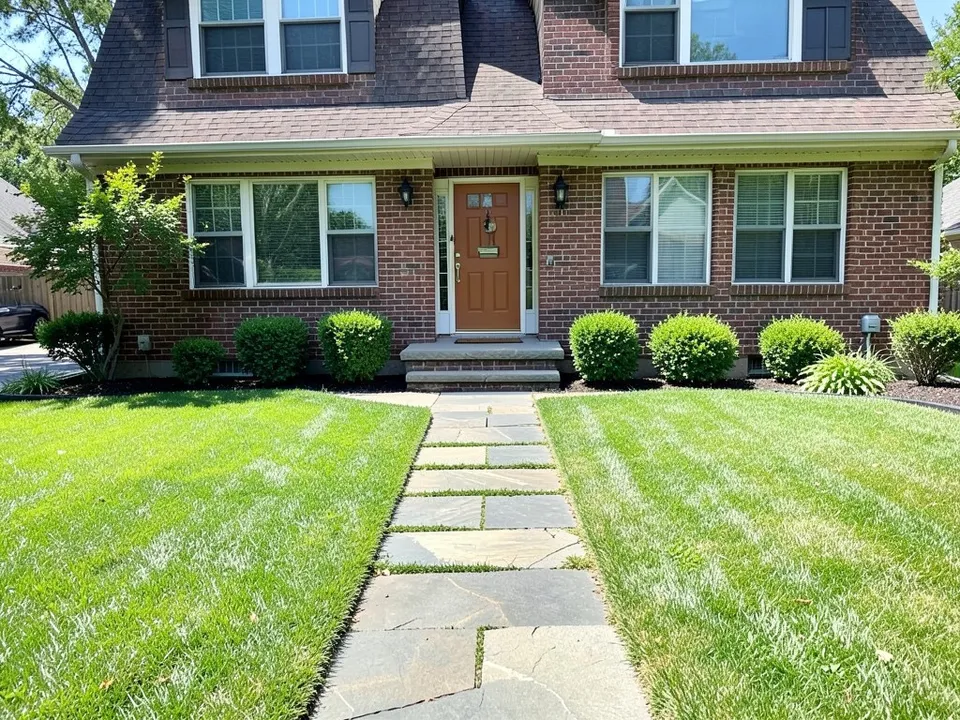
- Replace the lawn with a low carpet of creeping thyme and white clover with small purple flowers, planted right up to the flagstone path. Keep the house, shrubs, path and everything else exactly the same. Same camera angle.
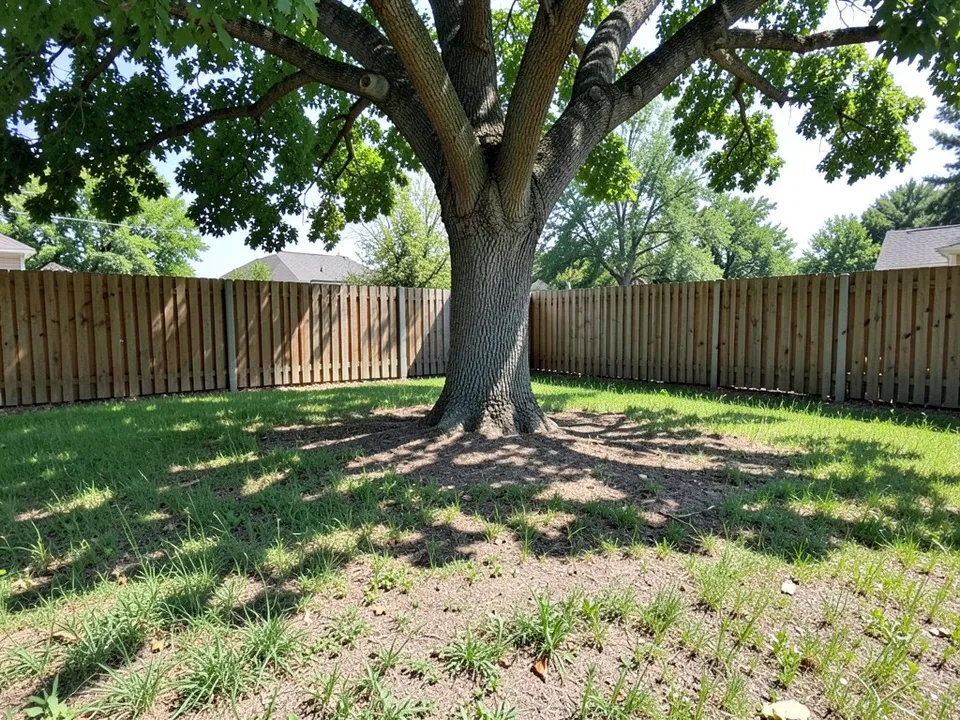
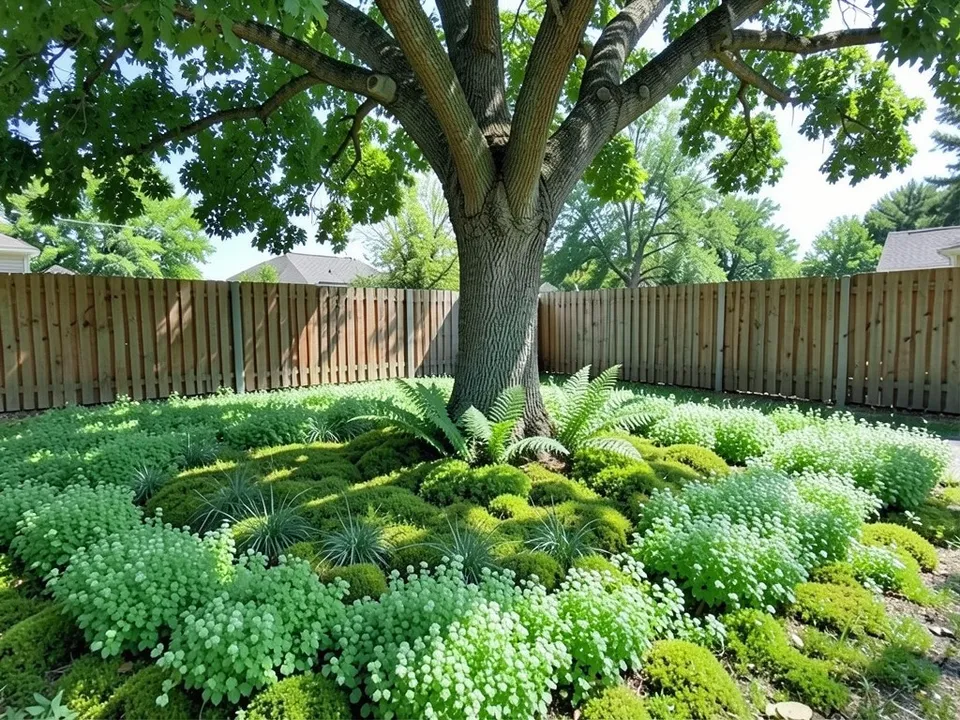
- Replace the patchy grass and bare soil under the tree with a shade ground cover of sweet woodruff, lilyturf and moss, with a few ferns near the trunk. Keep the tree, fence and everything else exactly the same. Same camera angle.
- Replace most of the lawn with a wildflower meadow of tall grasses, coneflowers, daisies and black-eyed Susans, with a gently curving mown grass path through it. Keep the fence, shed and everything else exactly the same. Same camera angle.
- Replace the lawn with a gravel garden of pale gravel, ornamental grasses, lavender, sedum and a few large boulders, right up to the driveway edge. Keep the house, tree, driveway and everything else exactly the same. Same camera angle.
Frequently asked questions
What can I use instead of grass?
The alternatives the guides name most are creeping thyme, clover, sedum, moss, shade groundcovers, a wildflower meadow, ornamental grasses and gravel. Pick by sun, shade, foot traffic and water.
What is the best lawn alternative for shade?
Moss, sweet woodruff, lilyturf and ferns are the plants most often named for shade. Check the soil and moisture, since moss wants damp ground and the others want some water while they establish.
What is the best lawn alternative for full sun?
Creeping thyme, clover and sedum suit open, sunny ground, and a gravel garden with drought-tolerant plants suits a hot, dry one.
Can I walk on a lawn alternative?
Light foot traffic is fine on some, such as clover or thyme, but none handles heavy daily use as well as grass. Add a path or stepping stones where people walk.
Is clover a good lawn alternative?
Clover is the closest swap for grass: it stays green with little feeding and mowing. It flowers, so it is not a pure green carpet. See our clover lawn page for more.
Are lawn alternatives lower maintenance?
Most need less mowing and often less water once they are established, but they need watering and weeding in the first year. Gravel needs edging and some weeding over time.
Can a wildflower meadow replace a lawn?
Yes, on a sunny area, and a mown path keeps a way to walk. A meadow looks sparse in its first season and needs weeding as it starts, so plan for that.
Can the AI show a lawn alternative on my own yard photo?
Yes. Upload a photo in Custom mode, name the plant or surface, say where it goes and what must stay the same. You get 1 free render with a free account. It may swap in a similar-looking plant or draw it fuller and taller than a new planting, so check the result with a nursery.
More lawn and ground cover ideas
If your photo is dark or soft, run it through the AI photo enhancer first, then bring it back here. The exterior design tool covers the house itself. You can read more about who builds these tools on our about page.
For more, browse all of our landscaping ideas, sorted into front yards, backyards, patios, gardens, pools, styles and regions.