
How to use the gravel calculator
- Pick Feet / inches or Metres / cm. Switching converts the numbers you already typed.
- Pick the shape: Rectangle (length and width), Circle (diameter) or Area if you already know the square feet or square metres. For an L-shaped or odd area, split it into rectangles, work out each one and add them up.
- Enter the depth, or tap a preset: 2 in (5 cm) for paths and ground cover, 3 in (7.5 cm) for a pea gravel patio or drainage layer, 4 in (10 cm) for a shed base or driveway, 6 in (15 cm) for a driveway that takes heavy vehicles.
- Choose the gravel type. Each one has its own weight per cubic foot, so the tons change but the cubic yards do not. Pick Other to type the density your supplier quotes.
- Leave +10% extra on unless you have a reason to change it (see how much extra to order, below). Add a price per ton or tonne if you want a rough cost.
- Read the answer: cubic yards (or cubic metres) for a bulk order by volume, tons (or tonnes) for a yard that sells by weight, and the number of 0.5 cu ft bags for small jobs.
The results are estimates. Gravel from one quarry can weigh more or less than these averages, and wet gravel weighs more than dry, so if your supplier gives a weight per cubic yard or per cubic metre, choose Other and type it in.
Gravel calculator formula: cubic yards, tons and cubic metres
In US units, with the depth in inches:
- Cubic feet = length (ft) × width (ft) × depth (in) ÷ 12
- Cubic yards = cubic feet ÷ 27
- Pounds = cubic feet × weight per cubic foot (about 105 lb for all-purpose gravel)
- Tons = pounds ÷ 2,000
Example: a 10 × 10 ft area at 2 in deep is 100 × 2 ÷ 12 = 16.7 ft³, or 16.7 ÷ 27 = 0.62 yd³. At 105 lb/ft³ that is 1,750 lb, or 0.88 tons. With 10% extra: 0.68 yd³ and 0.96 tons.
In metric, with the depth in centimetres:
- Cubic metres = length (m) × width (m) × depth (cm) ÷ 100
- Tonnes = cubic metres × density (about 1.68 t/m³ for all-purpose gravel)
Example: a 3 × 3 m area at 5 cm deep is 3 × 3 × 0.05 = 0.45 m³, about 0.76 tonnes. With 10% extra: 0.50 m³ and 0.83 tonnes.
For a circle, the area is 3.14 × radius² (radius = half the diameter). An 8 ft circle around a tree is 50.3 sq ft; at 3 in deep that is 0.47 yd³, about 0.6 tons of river rock. A US ton is 2,000 lb (907 kg); a metric tonne is 1,000 kg (2,205 lb), so 1 tonne = 1.1 US tons.
How deep should gravel be? Depth by project
Depth matters more than anything else in the answer: going from 2 to 4 inches doubles the gravel. These are the depths the calculator guides we read recommend. Lay deep gravel in layers of 2–3 inches and compact each one.
| Project | Depth | Notes |
|---|---|---|
| Garden path or walkway | 2–3 in (5–7.5 cm) | Over landscape fabric, with edging to hold the stones in |
| Decorative ground cover around beds | 2 in (5 cm) | River rock or lava rock as a mulch |
| Pea gravel patio | 2–3 in (5–7.5 cm) on top | Over a 2 in (5 cm) compacted crushed-stone base |
| Raised bed drainage layer | 2–3 in (5–7.5 cm) | Crushed stone #57 under the soil mix |
| French drain | Fill the trench | Angular #57 stone wrapped in fabric, not round pea gravel |
| Shed or greenhouse base | 4–6 in (10–15 cm) | Compacted crushed stone, about 12 in (30 cm) wider than the shed on every side |
| Driveway, light use | 3–4 in (7.5–10 cm) | Angular crushed stone, compacted |
| Driveway, heavy use | 4–6 in (10–15 cm) or more | Built in compacted layers of 2–3 in |
Four of these projects as pictures, with the sums for each. The left image of each pair was generated by AI as a stand-in for an ordinary yard, and the right image is that same picture edited by AI from a written instruction. They are not photos of real homes; we made them with our own AI model, which is not one of the models you can pick in the landscape tool. Two pairs were run a second time, as their captions say.
1. Side yard path: pea gravel at 2 inches
A 25 × 3 ft side yard at 2 in = 12.5 ft³ = 0.46 yd³ (about 0.6 tons of pea gravel). With 10% extra, order about 0.51 yd³, so half a yard or 28 bags of 0.5 cu ft. Metric: 7.6 × 0.9 m at 5 cm = 0.35 m³.
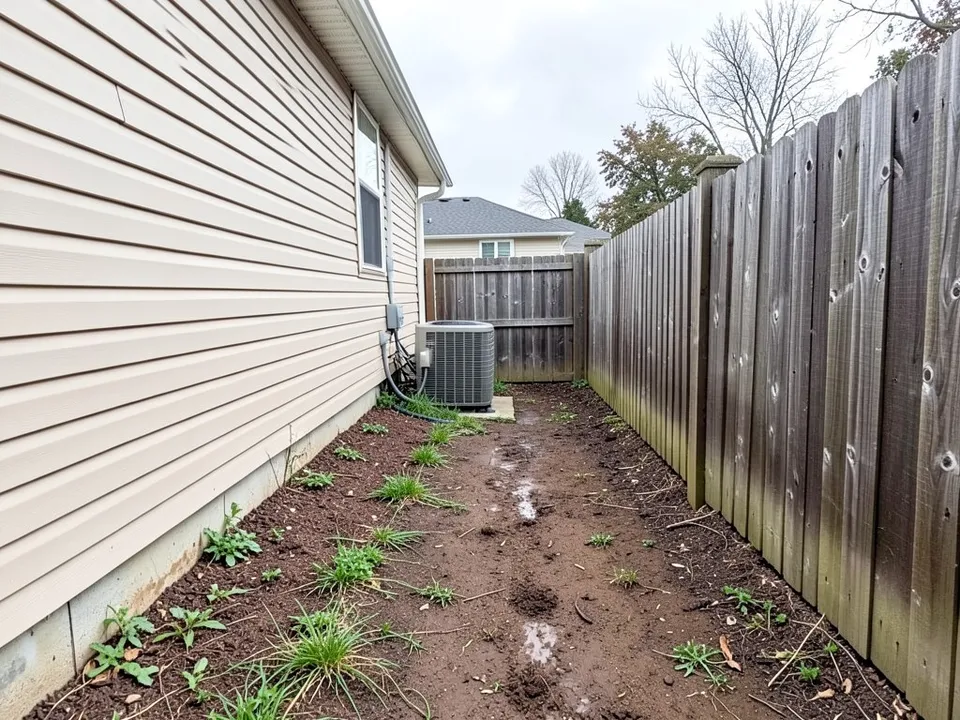
Before
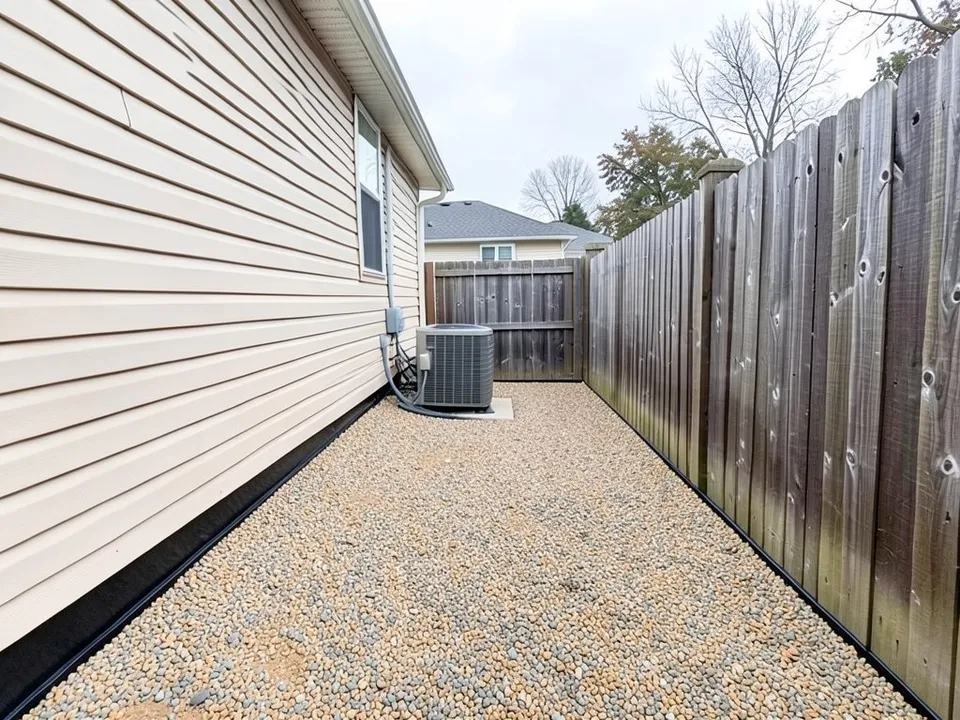
After
2. Corner patio: pea gravel at 2 inches over a base
A 12 × 12 ft patio at 2 in = 24 ft³ = 0.89 yd³ (about 1.15 tons of pea gravel), plus the 2 in crushed-stone base under it, which is the same volume again. Metric: 3.6 × 3.6 m at 5 cm = 0.65 m³ for each layer.
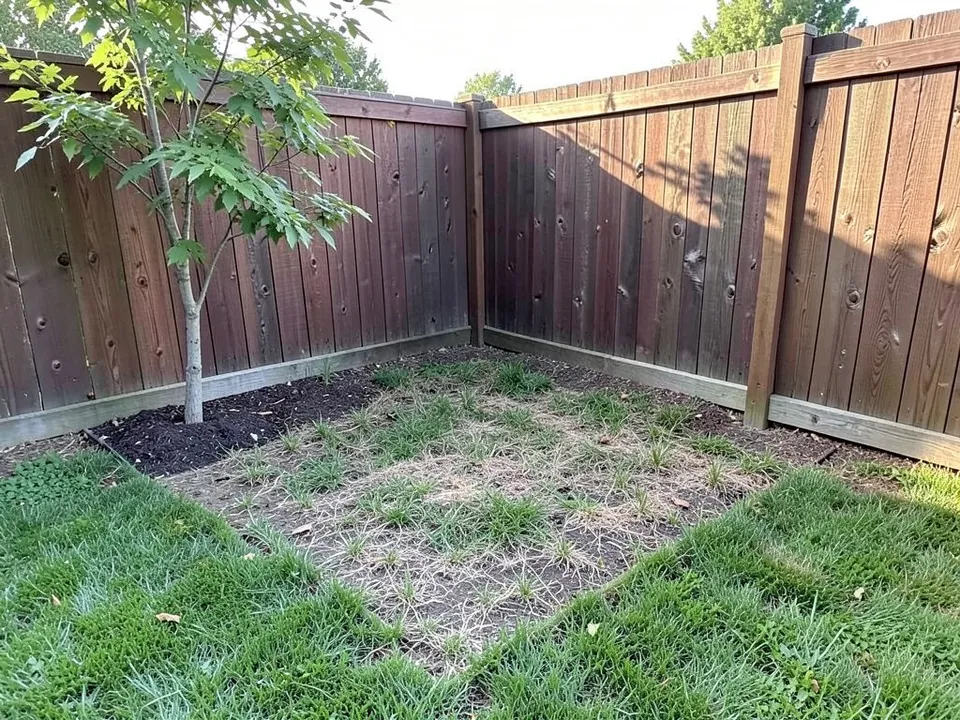
Before
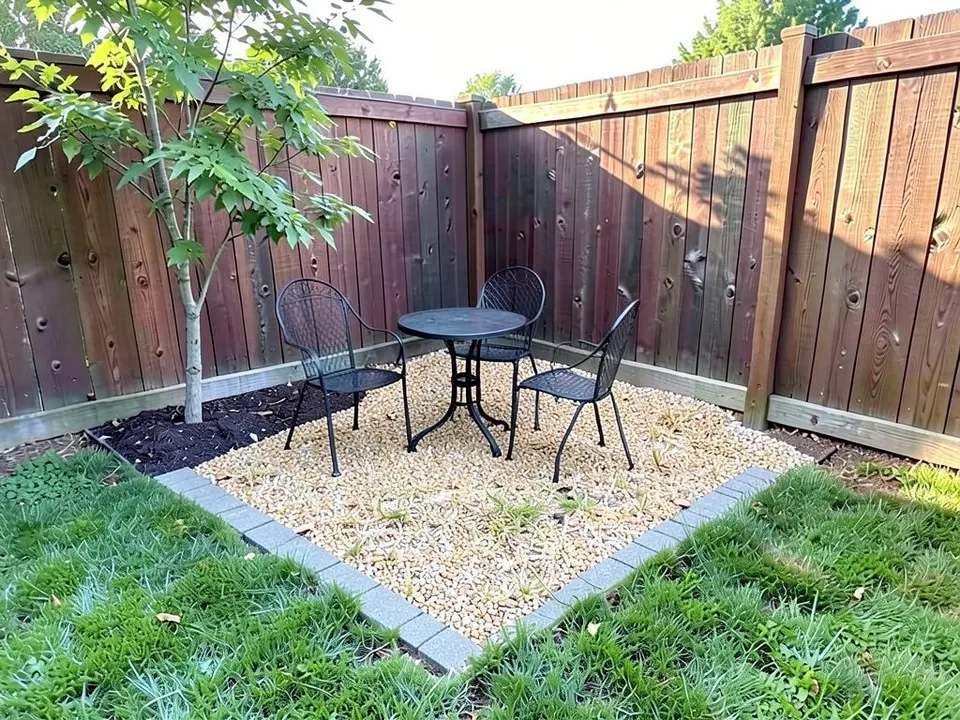
After
3. Driveway: crushed stone at 4 inches
A 50 × 10 ft driveway at 4 in = 166.7 ft³ = 6.17 yd³ (about 8.75 tons of all-purpose gravel at 105 lb/ft³). With 10% extra, order about 6.8 yd³ or 9.6 tons. Metric: 15 × 3 m at 10 cm = 4.5 m³ or about 7.6 tonnes.
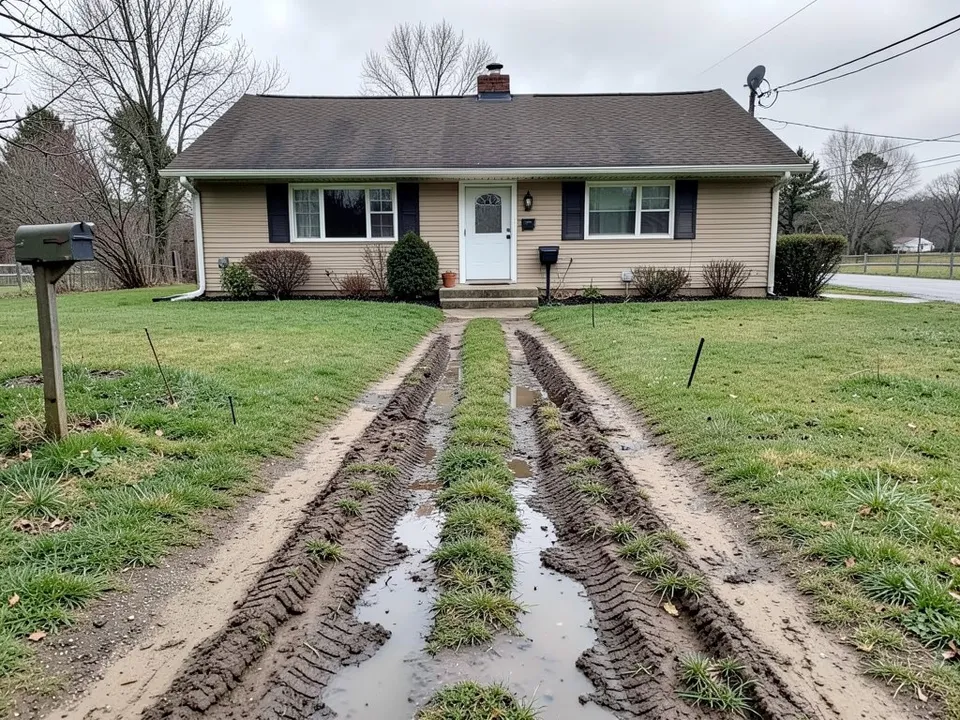
Before
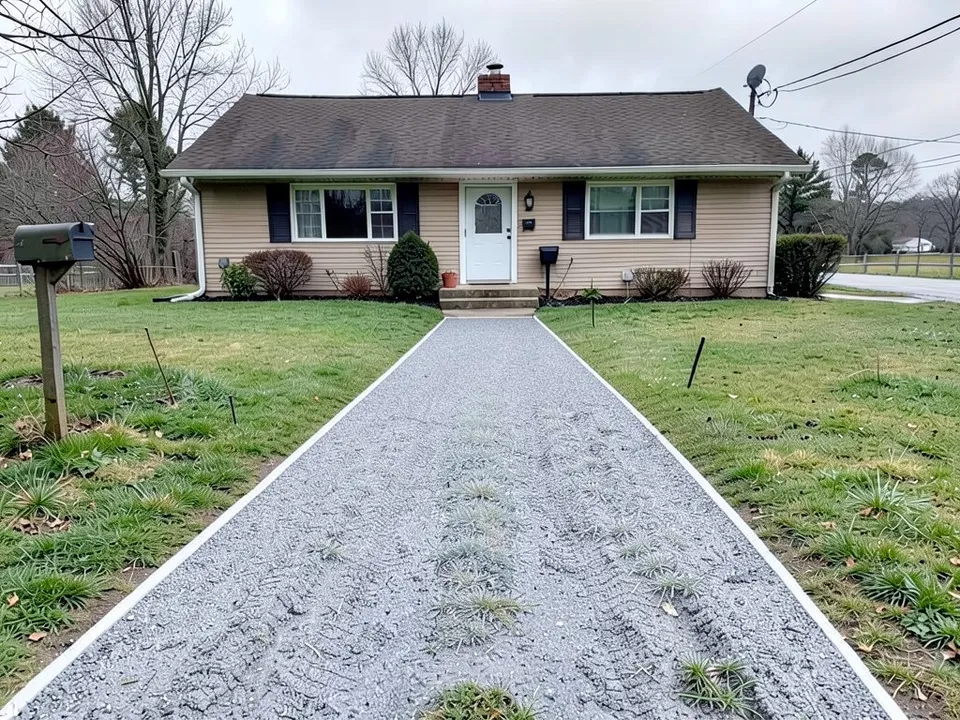
After
4. Shed base: crushed stone at 4 inches
An 8 × 10 ft shed needs a pad about 10 × 12 ft (12 in wider on every side). At 4 in deep that is 40 ft³ = 1.48 yd³, about 2 tons of #57 stone; with 10% extra, about 1.63 yd³ or 2.2 tons. Metric: a 3 × 3.6 m pad at 10 cm = 1.08 m³.
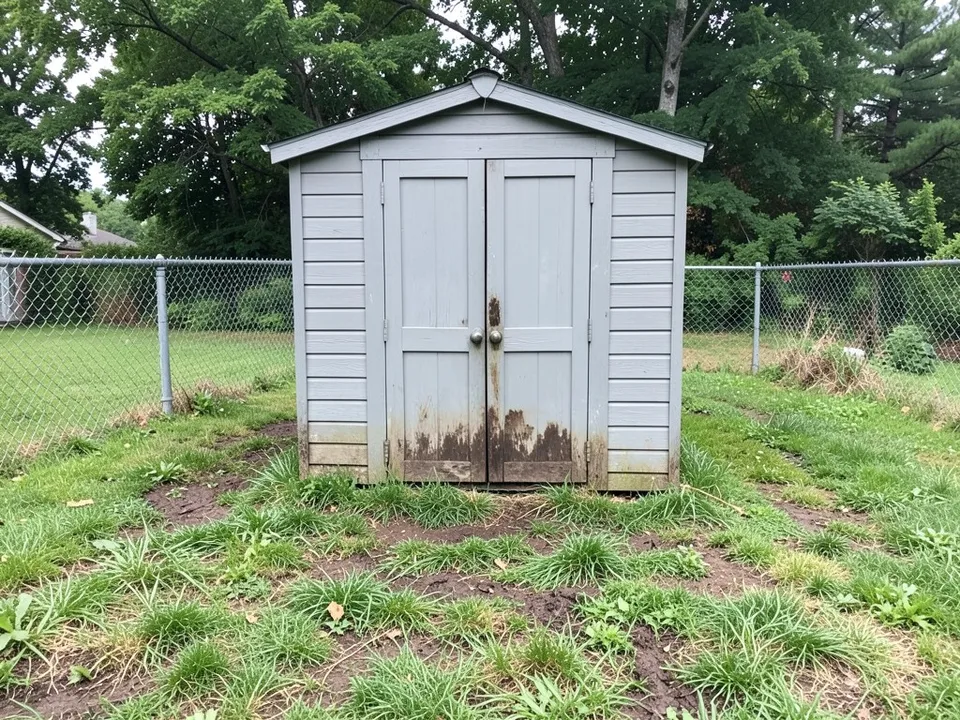
Before
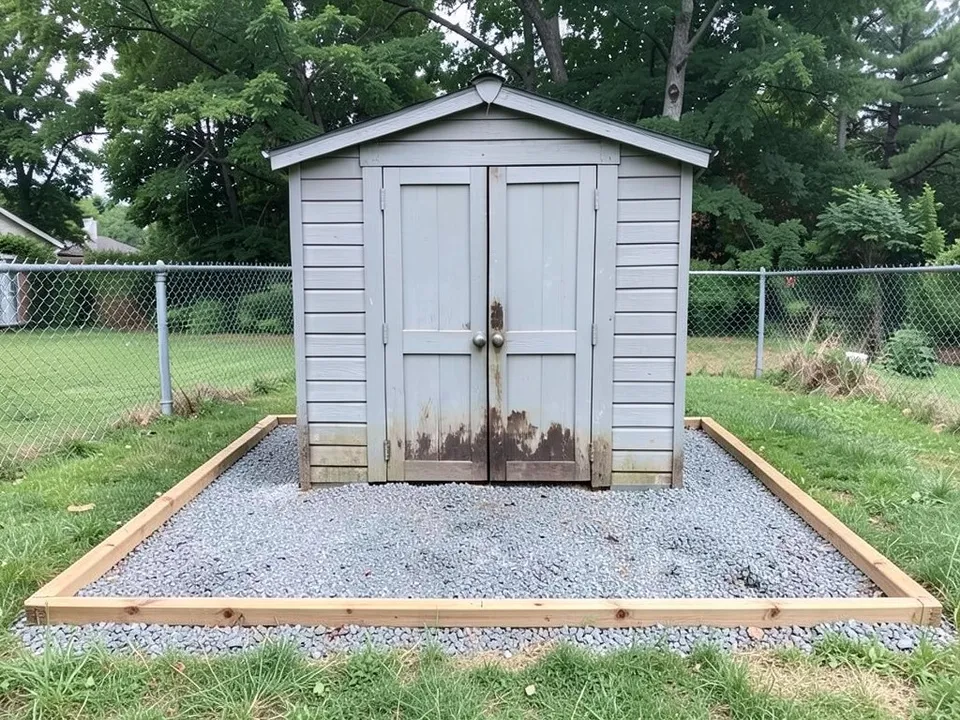
After
Gravel types and how much they weigh
The volume you need is the same for every gravel; the weight is not. A cubic yard of lava rock weighs well under half as much as a cubic yard of crusher run, so the tons, the price by weight and the number of truckloads all change. These are the weights the calculator uses.
| Gravel | lb per ft³ | kg per m³ | Weight per yd³ | Covers per ton at 2 in |
|---|---|---|---|---|
| All-purpose gravel (¼–2 in) | 105 | 1,682 | ~2,835 lb (1.42 t) | ~114 sq ft |
| Pea gravel (¼–⅜ in) | 96 | 1,538 | ~2,590 lb (1.30 t) | ~125 sq ft |
| Crushed stone #57 (¾–1 in) | 100 | 1,602 | ~2,700 lb (1.35 t) | ~120 sq ft |
| River rock (1–6 in) | 98 | 1,570 | ~2,645 lb (1.32 t) | ~122 sq ft |
| Decomposed granite | 110 | 1,762 | ~2,970 lb (1.49 t) | ~109 sq ft |
| Crusher run / dense grade aggregate | 125 | 2,002 | ~3,375 lb (1.69 t) | ~96 sq ft |
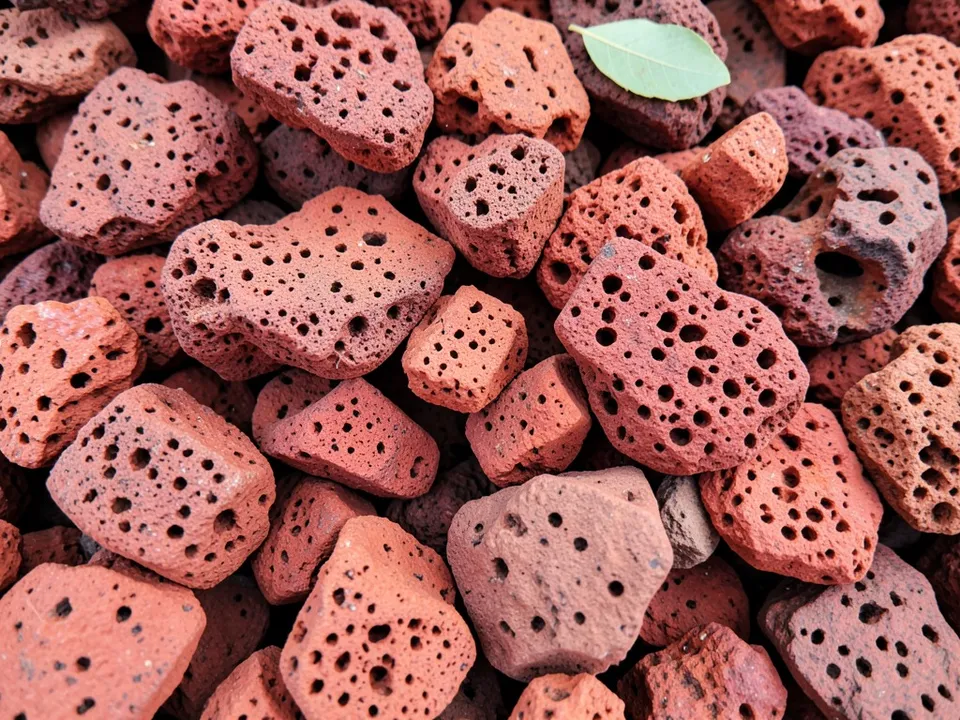
| Lava rock | 45 | 721 | ~1,215 lb (0.61 t) | ~267 sq ft |
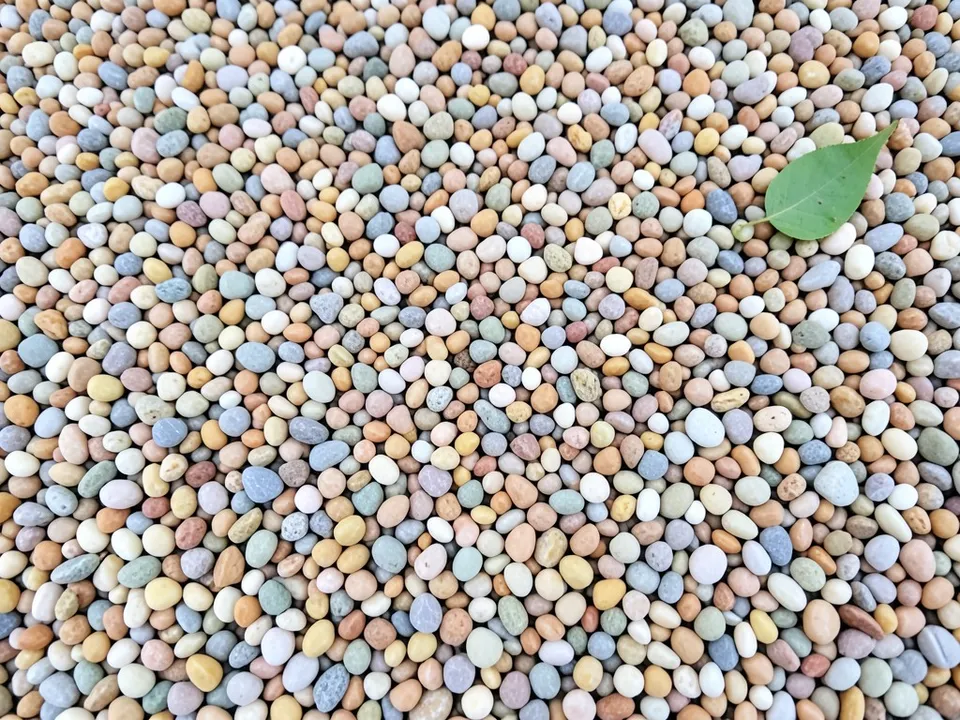
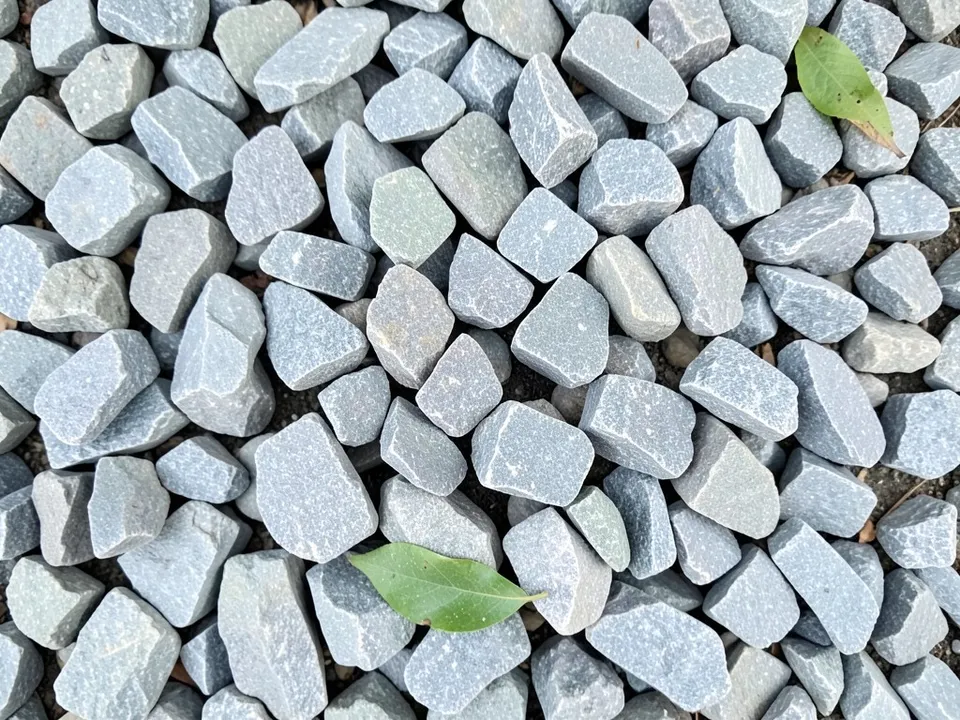
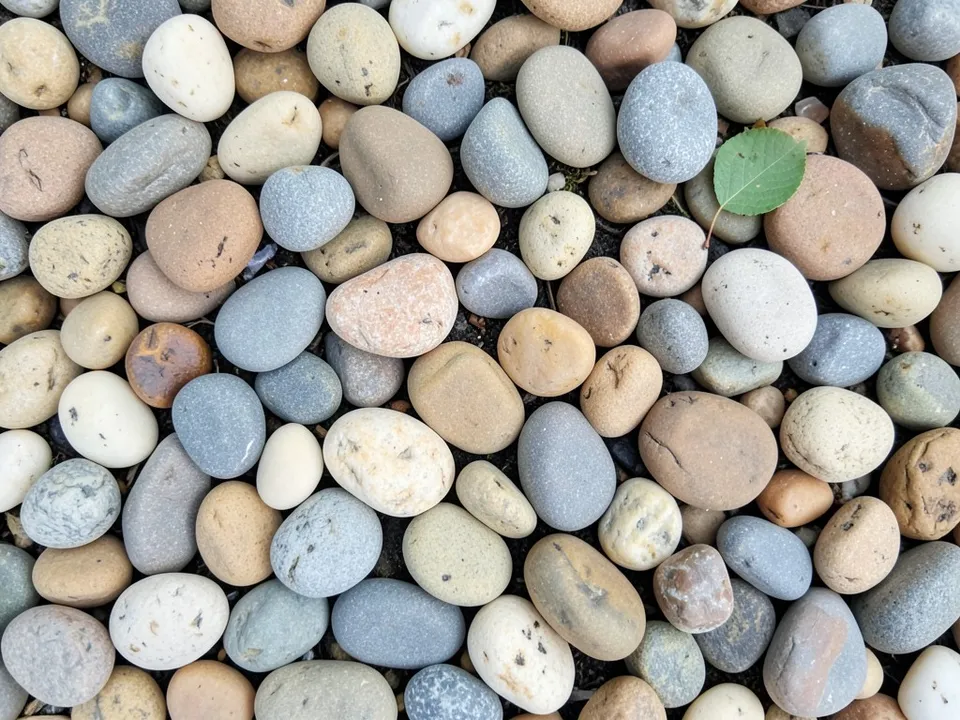
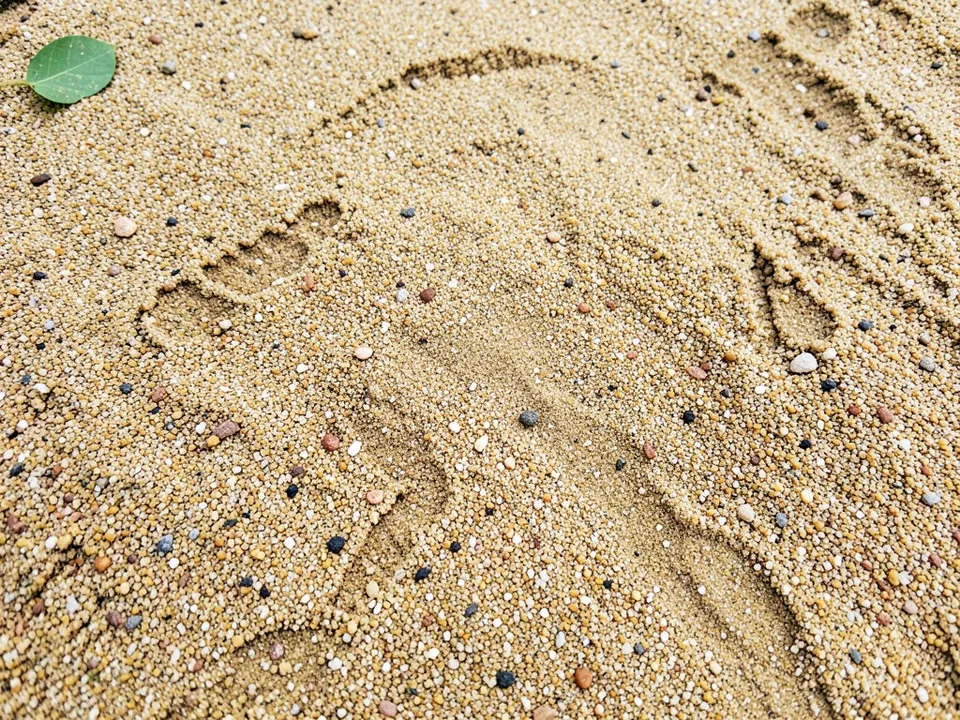
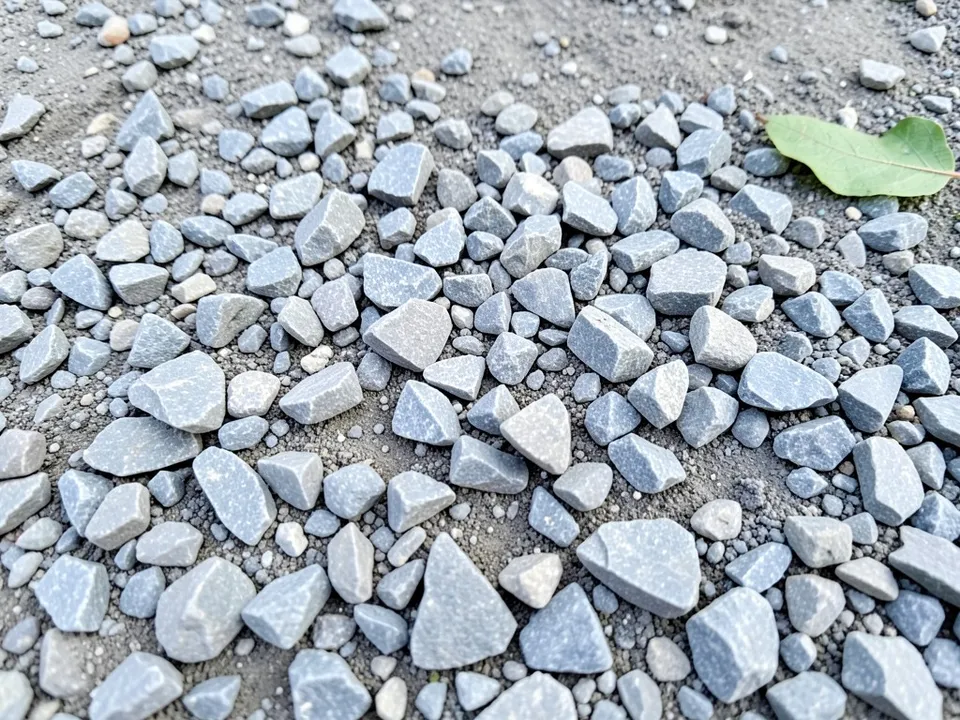
What six of them look like. These close-ups were generated by AI from a description of each gravel, with a leaf for scale; they are not photos of real stone.
How much does a ton or a cubic yard of gravel cover?
If you already have a load in mind, work backwards. A cubic yard covers the same area for every gravel; a ton covers more with light stone and less with heavy stone. The ton and tonne columns are for all-purpose gravel.
| Depth | 1 cubic yard covers | 1 ton covers |
|---|---|---|
| 1 in | 324 sq ft | ~229 sq ft |
| 2 in | 162 sq ft | ~114 sq ft |
| 3 in | 108 sq ft | ~76 sq ft |
| 4 in | 81 sq ft | ~57 sq ft |
| 6 in | 54 sq ft | ~38 sq ft |
| Depth | 1 m³ covers | 1 tonne covers |
|---|---|---|
| 2.5 cm | 40 m² | ~23.8 m² |
| 5 cm | 20 m² | ~11.9 m² |
| 7.5 cm | 13.3 m² | ~7.9 m² |
| 10 cm | 10 m² | ~5.9 m² |
| 15 cm | 6.7 m² | ~4.0 m² |
How much extra gravel to order
The calculator adds 10% by default. Gravel settles and compacts after it is spread and walked or driven on, the ground under it is never perfectly flat, and some is lost into the soil and at the edges. Running short means a second delivery charge, which usually costs more than the extra stone.
- +5%: a small decorative area on level ground that you measured carefully.
- +10%: most paths, patios and beds.
- +15–20%: deep or compacted layers such as a shed base or a driveway, uneven ground, or heavy traffic.
Bags vs bulk gravel, and what gravel costs
Garden centres sell gravel in bags of 0.5 cu ft (54 bags to a cubic yard) and sometimes 0.4 cu ft. Landscape supply yards sell bulk gravel by the cubic yard or by the ton and deliver it by truck. Bags suit a small bed or a few square feet of path; past about half a cubic yard, bulk is usually cheaper.
- Bagged gravel: about $4–$8 per 0.5 cu ft bag.
- Bulk gravel: about $25–$70 per ton ($40–$90 per cubic yard), before delivery.
- Pea gravel: about $30–$55 per ton. Crushed stone #57: about $25–$45 per ton.
- River rock: about $50–$160 per ton, depending on size and colour.
- Delivery: about $50–$150 or more per load.
These are Eartheasy's US price ranges; prices vary a lot by region and quarry, so put your supplier's price into the calculator. In metric, enter the price per tonne in your own currency.
See gravel on a photo of your own yard
Before you order several tons, check the look. Upload a photo of your yard to our AI landscape tool, choose Custom and describe the gravel: the type and colour, where it goes, the edging, and what must stay the same. For ideas, see our gravel backyard ideas and river rock landscaping ideas.
See gravel on my yard photo1 free render with a free account (sign in with Google or an email code). More renders come with a paid plan (see pricing).
Gravel calculator questions
How do I calculate how much gravel I need?
Multiply length × width × depth, with the depth in feet (inches ÷ 12), to get cubic feet, then divide by 27 for cubic yards. For tons, multiply the cubic feet by the gravel's weight per cubic foot (about 105 lb for all-purpose gravel) and divide by 2,000. In metric, length × width in metres × depth in metres gives cubic metres; multiply by about 1.68 for tonnes. Add about 10% extra.
How many tons of gravel are in a cubic yard?
About 1.4 tons for ordinary gravel at 105 lb/ft³ (2,835 lb). It ranges from about 0.6 tons for lava rock to about 1.7 tons for crusher run, because the stone, size and amount of fines change the weight. A metric cubic metre of ordinary gravel weighs about 1.68 tonnes.
How much area does a ton of gravel cover?
At 2 inches deep, a ton of ordinary gravel covers about 114 sq ft; at 3 inches about 76 sq ft; at 4 inches about 57 sq ft. A cubic yard covers 162 sq ft at 2 inches. In metric, a tonne covers about 11.9 m² at 5 cm and a cubic metre covers 20 m² at 5 cm.
How much gravel do I need for a 10 × 10 area?
At 2 inches deep: 100 sq ft × 2/12 ft = 16.7 cubic feet = 0.62 cubic yards, about 0.88 tons of ordinary gravel or 34 bags of 0.5 cu ft. With 10% extra, about 0.68 cubic yards or 0.96 tons. At 4 inches, double those numbers.
How deep should gravel be?
About 2–3 inches (5–7.5 cm) for paths and ground cover, 2–3 inches of pea gravel over a 2 inch compacted base for a patio, 4–6 inches (10–15 cm) of compacted crushed stone for a shed base, and 4–6 inches or more, laid in layers, for a driveway.
How many bags of gravel make a cubic yard?
54 bags of 0.5 cu ft (27 cubic feet ÷ 0.5), or about 68 bags of 0.4 cu ft. Bags make sense for small jobs; past about half a cubic yard, bulk delivery is usually cheaper even with the delivery charge.
Should I order extra gravel?
Yes. Add about 10%, because gravel settles and compacts, the ground is never perfectly level and some is lost at the edges. Use 15–20% for a deep base, a driveway or a compacted layer, and 5% for a small decorative area you have measured carefully.
Can I see what gravel will look like on my yard?
Yes. Upload a photo of your yard to the landscape tool, choose Custom and describe the gravel (type, colour, where it goes, the edging) and what must stay the same. It is a picture for planning, not a measured drawing. You need a free account: 1 free render with a free account, and free renders carry a watermark.
Sources for the weights, depths and prices
Read on 11 November 2026.