Natural Swimming Pool Ideas: Swimming Ponds, Plunge Pools and Planted Edges

A natural swimming pool is a pool that is cleaned by plants and the bacteria that live around them instead of chlorine. It looks like a pond you can swim in: soft edges, reeds and water lilies, and water that is clear but not bright blue. The look is the main reason people want one, and it is also the hardest part to picture on your own lawn.

More renders come with a paid plan (see pricing).

Upload a photo of your yard, say what shape, edge and planting you want, and our AI returns the same view with the water drawn in. Below are the main styles compared, how the water stays clean, what to plant around it, and four before and after examples with the exact instructions we used.

Natural swimming pool styles compared

StyleWhat it looks likeWhat to know
Swimming pondLarge, curved, irregular water with a planted shallow zone and a gravel or rock beachNeeds the most space, because the planted zone takes up part of the area; suits a larger yard or a country plot
Plunge poolSmall, often round or oval, stone-edged water you cool off in rather than swim lapsWorks in a small yard; sits well near the house or a deck
Converted poolAn existing pool changed to run on plants instead of chemicals, with the edge softenedA builder has to check the shell, the pump and the plant zone; the AI only shows the new look
Formal natural poolStraight or geometric edges with paving, and plants held in a neat bandA crisp look that fits modern houses; the plants still do the cleaning
Pool with timber deckA wood deck or platform at the edge for sitting and stepping inThe natural look of timber suits an organic pond; see our deck pages for materials
Pool with rock and waterfallBoulders, a stacked stone wall or a small waterfall at one endMoving water helps keep the pond fresh; pumps and electrics need a qualified installer

These are the layouts the guides ranking for this search keep showing. The table says what each one looks like and the main thing to know before you pick it. Many yards end up combining two of them.

How a natural swimming pool keeps the water clean

The guides describe the same idea: the water is split into a swimming zone and a planted regeneration zone. Plants and the bacteria on their roots and on gravel take up the nutrients that algae would otherwise feed on, and a pump moves the water through the planted zone and back. There is no chlorine.

  • Swimming zone: The open, deeper part you swim in. Its edge is usually stone, gravel or timber.
  • Regeneration zone: A shallower area full of aquatic plants and gravel that filters the water. Builders quote different sizes for it, from about a third of the swimming area up to the same size, so ask a pool builder who has built natural pools in your climate.
  • Pump and skimmer: They move the water through the plants and take leaves off the surface. Some designs add a small waterfall for extra movement.
  • No fish: Poolscape, quoted by Gardeningetc, advises against keeping fish in a natural pool because their waste is high in nutrients.
Natural swimming pool ideas before and after

In each pair, the left image was generated by AI as a stand-in for an ordinary yard, and the right image is that same picture edited by AI from a written instruction. The exact instructions are listed lower on this page. None of them are photos of real customer homes.

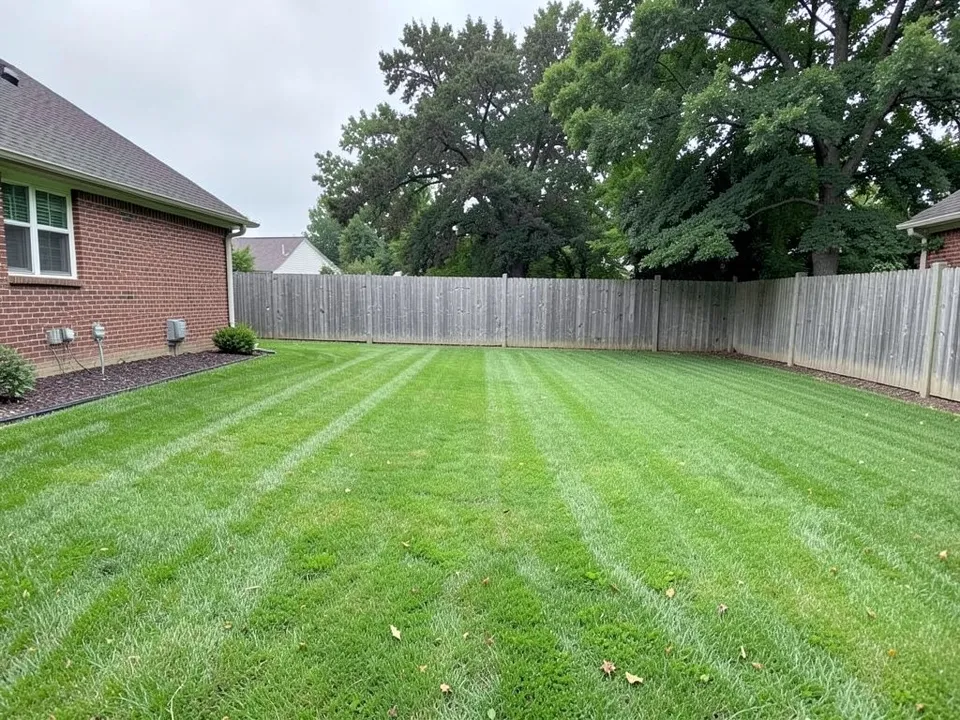
AI-generated example: a plain mown green lawn in a large suburban backyard, with a wooden fence and tall trees at the back and a brick house at the left

Before

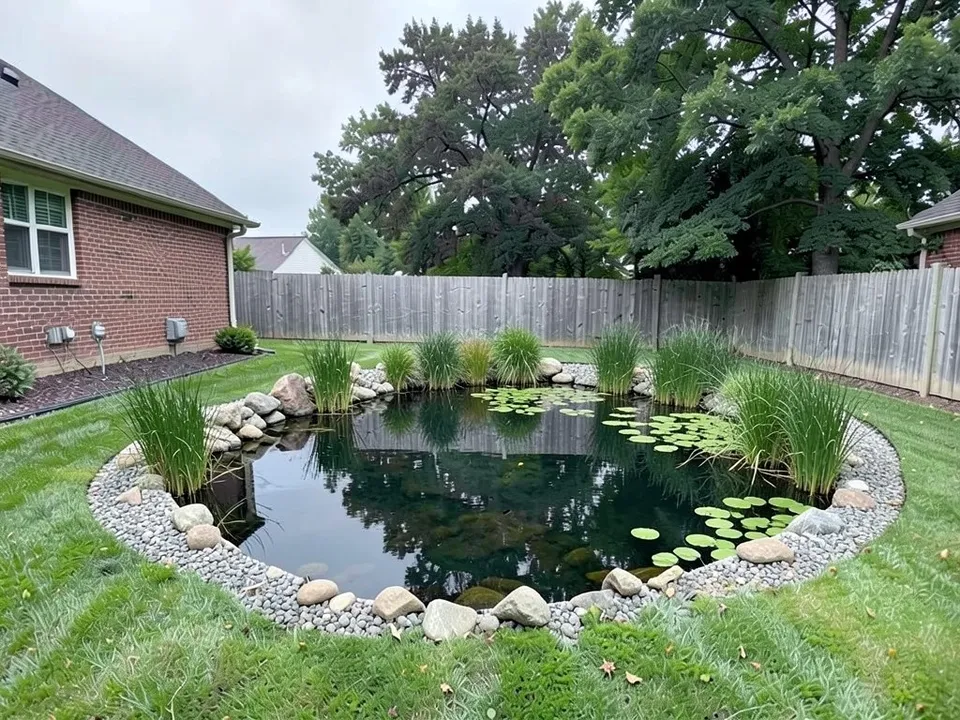
AI-edited version of the same image: an irregular curved pond with dark clear water in the middle of the lawn, edged with gravel and rocks, with reeds and rushes along the far side and water lilies floating on the surface; the fence, trees, house and lawn are unchanged

After

A swimming pond in a lawn (first instruction below). The before image is an AI-drawn stand-in for a plain backyard, not a customer photo. What followed the instruction: a curved pond with dark water, a gravel and rock edge, reeds along the far side and water lilies on the surface. The pond is drawn small for a swimming pond, so a real one would need to be dug much larger, and the AI cannot show the depth, the planted filter zone or the pump. Fence, trees, house and lawn look the same.
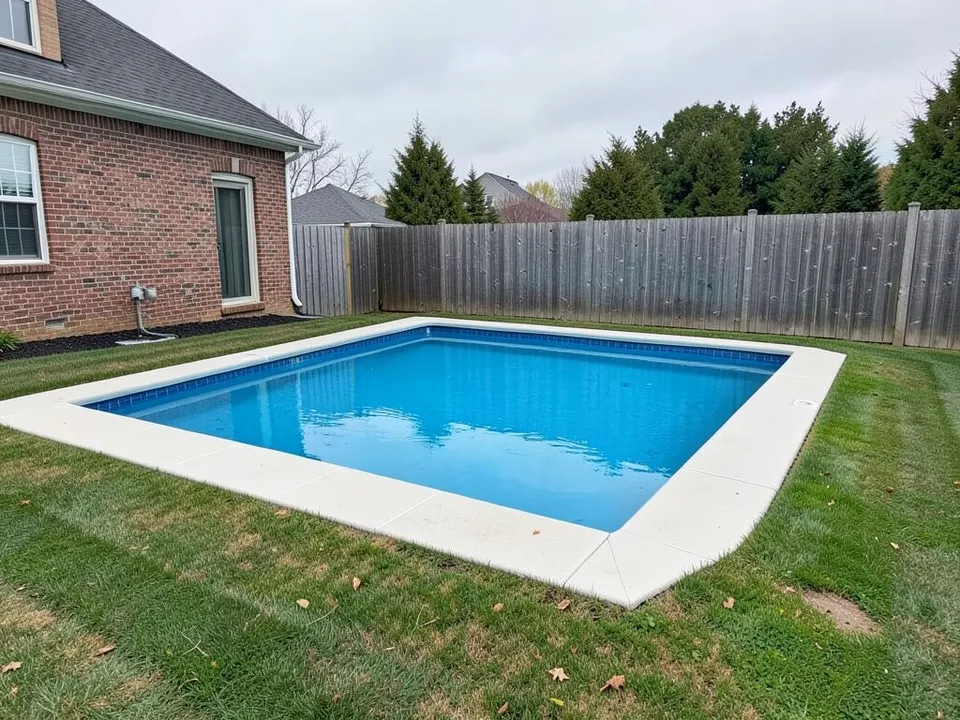
AI-generated example: a rectangular backyard swimming pool with bright blue water and white concrete coping, set in a mown lawn with a wooden fence behind and a brick house at the left

Before

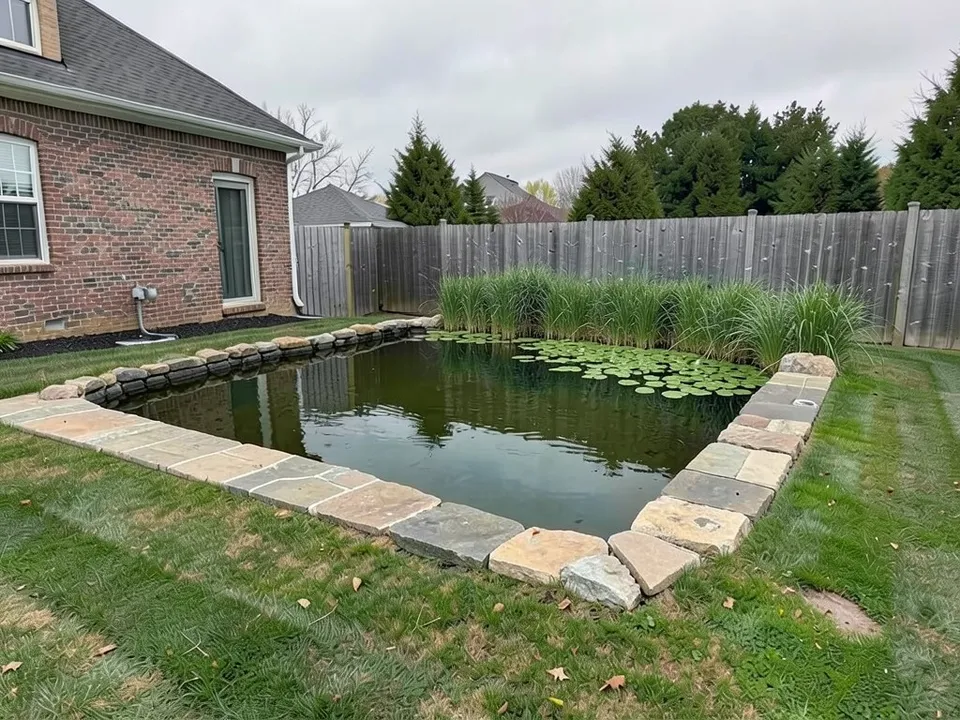
AI-edited version of the same image: the same rectangular outline now filled with dark green-brown water, edged with flat flagstone and boulders, with reeds and water lilies planted along the far side; the fence, house and lawn are unchanged

After

Turning a standard pool into a natural one (second instruction below). The before image is an AI-drawn stand-in, not a customer photo. What followed the instruction: the water is now a dark green-brown, the white coping became flagstone and boulders, and reeds and lilies sit along the far edge. The shape stayed rectangular, because the AI kept the original outline rather than rounding it, and the water here looks more like a pond than a pool you would swim in. A real conversion needs a builder.
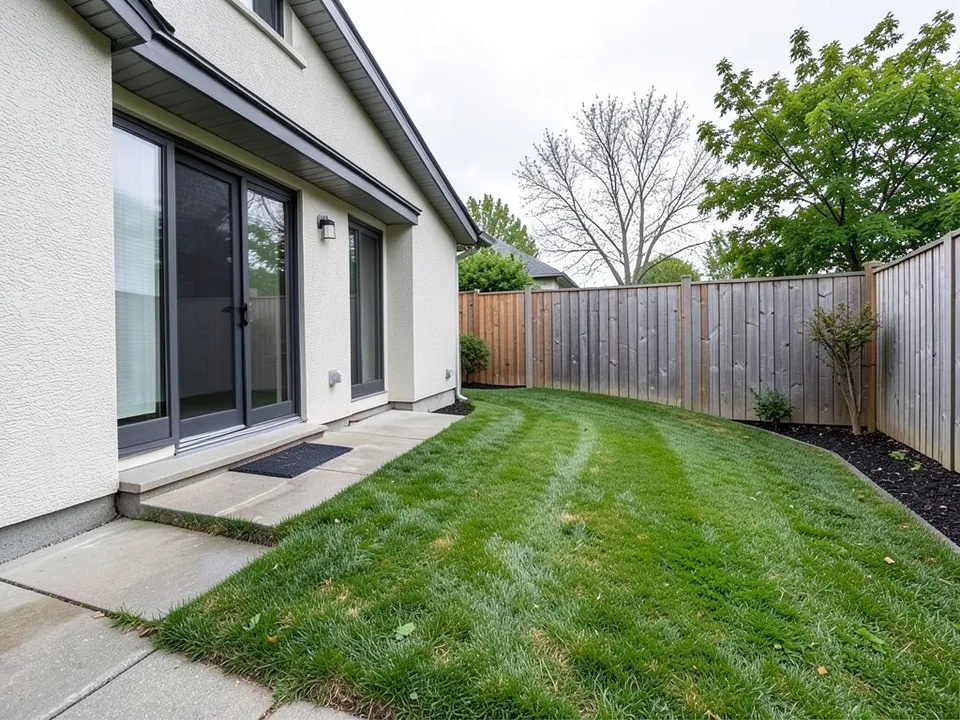
AI-generated example: a sloping lawn beside a modern stucco house with large sliding doors, a wooden fence and bare trees at the back, with nothing built on the grass

Before

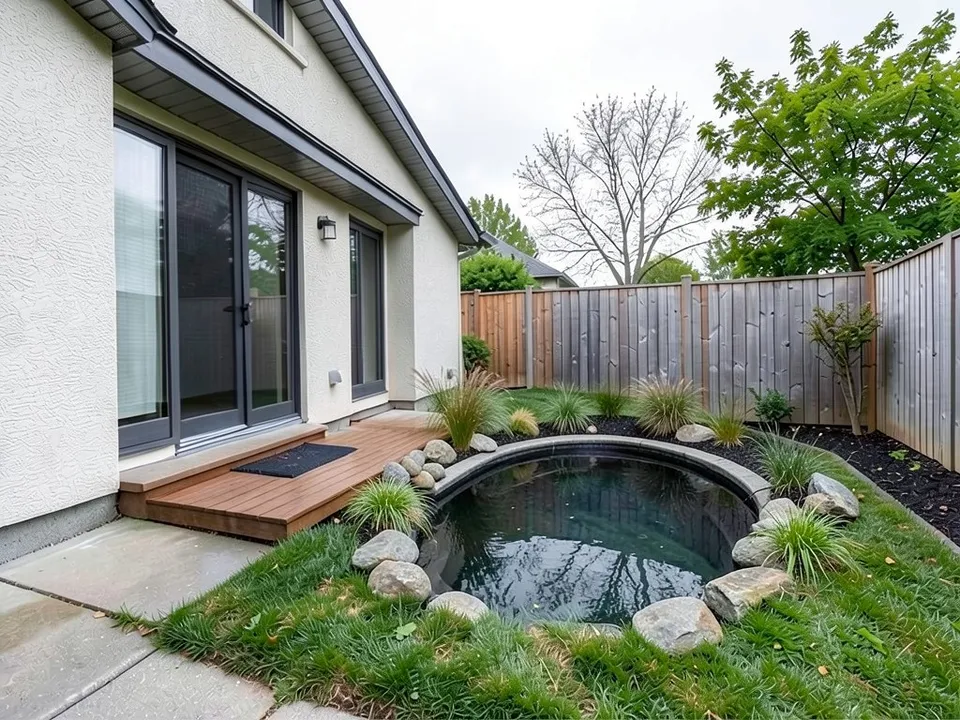
AI-edited version of the same image: a small round plunge pool with dark water set into the lawn near the house, with a short timber deck platform beside the doors, boulders around the water and ornamental grasses and reeds planted behind it; the house, fence and trees are unchanged

After

A small natural plunge pool by the house (third instruction below). The before image is an AI-drawn stand-in for a plain yard, not a customer photo. What followed the instruction: a compact round pool with a stone and boulder rim, grasses and reeds behind it, and a timber deck step beside the doors. It sits close to the house and it is small, which is about the size a plunge pool needs, not a swimming pond. The deck is only a short platform, not the two steps we asked for.
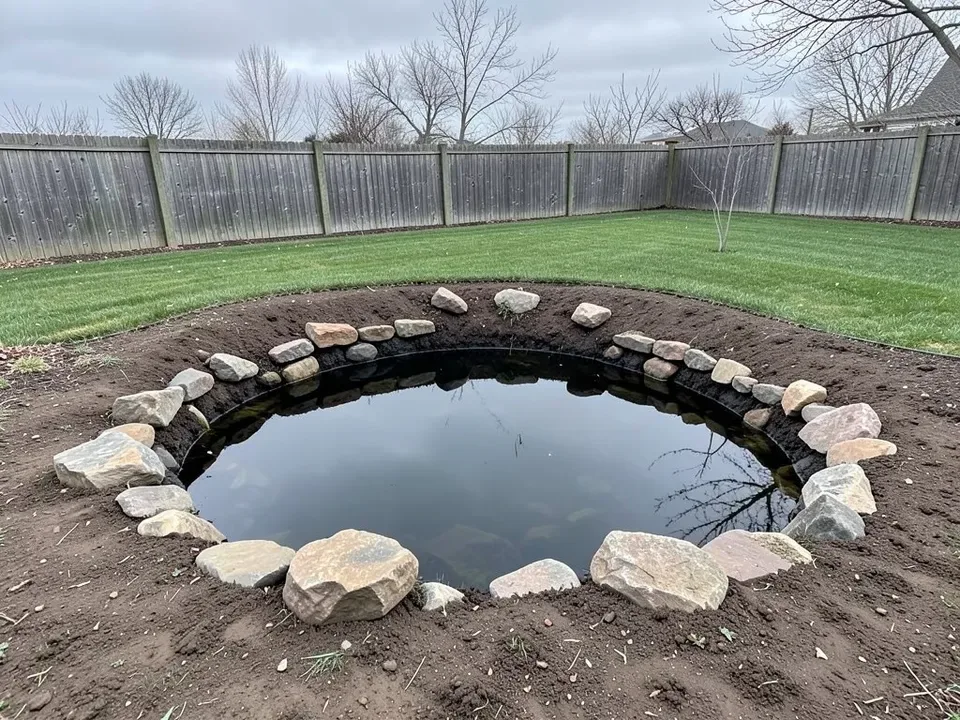
AI-generated example: a backyard pond of dark clear water ringed by stones, with a bare dirt bank all around it, a mown lawn beyond and a wooden fence in the background

Before

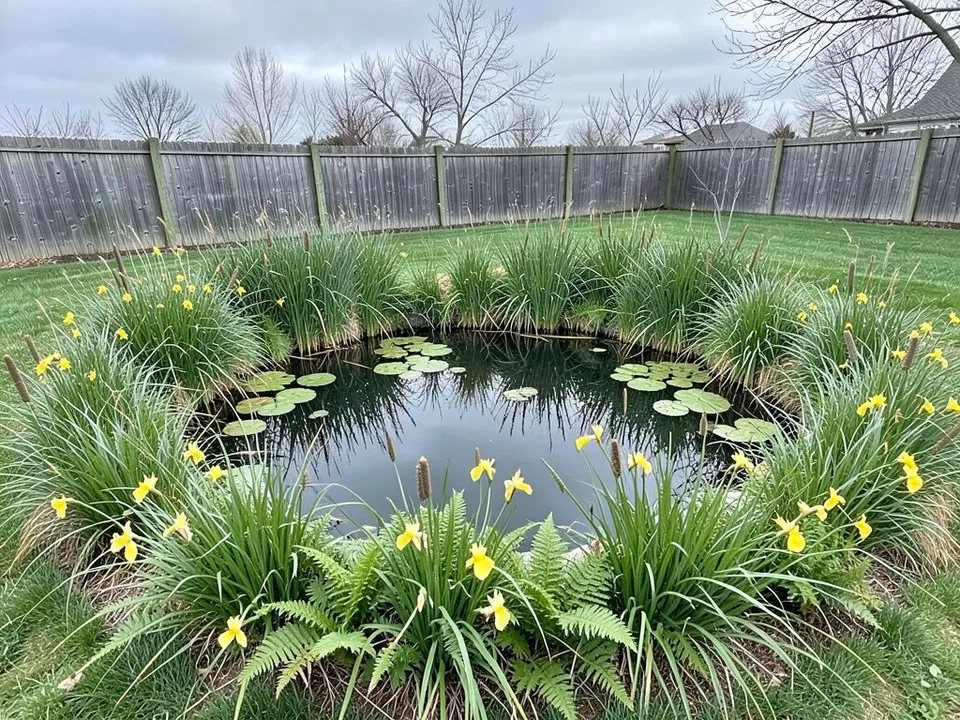
AI-edited version of the same image: a thick ring of tall green reeds, grasses and ferns now surrounds the whole pond, with yellow irises along the front and sides and lily pads floating on the water; the water shape, lawn and fence look the same, and most of the stone rim is now hidden behind the planting

After

Planting the edge (fourth instruction below). The before image is an AI-drawn stand-in for a bare pond bank, not a customer photo. What followed the instruction: tall reeds, grasses and ferns now ring the whole pond, yellow irises sit along the front and sides and lily pads float on the water. It shows a full, mature planting at once, while real plants take a season or more to fill in. Most of the stone rim from the before image is now hidden behind the plants, so ask for the stones to stay visible if you want them. The water shape, lawn and fence look the same.

What to plant around a natural swimming pool

The planting does two jobs: it filters the water and it makes the pool look natural. Choose plants that suit your climate and ask a local aquatic nursery which ones are native in your area, because some water plants are invasive in some regions.

  • Water lilies: Floating leaves and flowers that shade the surface and give the pond its classic look.
  • Rushes and reeds: Tall, upright plants for the back and sides of the planted zone.
  • Marginal plants such as irises: They grow in shallow water at the edge and add flower color in summer.
  • Ornamental grasses: Planted on the dry bank, they soften the edge and move in the wind. Our flower bed page has more border planting ideas.
  • Submerged oxygenators: Underwater plants that add oxygen and use up nutrients; ask the nursery which are right for your pond.

Edges and surrounds for a natural pool

The edge decides whether the pool looks like part of the yard or like a hole in it.

  • Flagstone and boulders: Natural stone is common for paving, boulders and waterfalls. It suits both a formal and an informal pool.
  • Gravel beach: A gravel edge gives a relaxed, laid-back finish and a gentle way into the water.
  • Timber deck: Wood has an organic look that goes with plants and reeds.
  • Lawn to the edge: Grass can run to the planted zone, with stone or a deck only where people get in.
  • Paving: For a more formal look, edge the water with paving instead of plants.

How to try a natural swimming pool on your own yard photo

Use Custom mode for this. None of the Yard Redesign styles is built to add water, and Custom lets you name the change and say what must stay the same.

  1. Take a photo in daylight that shows the lawn, patio or pool area you want to change.
  2. Open the landscape tool and sign in with Google or an email code. You get 1 free render with a free account.
  3. Under Select Landscape Mode, pick Custom.
  4. In the Custom Design Requirements box, describe the water (shape, edge, planting, deck), where it goes, and list what must stay the same.
  5. Drop your photo into Upload Your Garden Image and press Generate Custom Design.
  6. Check where the water landed, change one thing at a time and run it again.

What the AI can and cannot do

The AI shows a look: roughly how a curved pond, a stone edge or a plunge pool would sit in your yard. That helps you decide and explain it to a pool builder or a landscaper.

It does not measure, dig or design the filter. It does not know your soil, your climate, local rules or how deep or large the water must be. It may not follow every detail of the instruction, such as the size of the pond or how many plants it adds, and it draws plants mature at once while real ones take a season or more to fill in. Natural pools are built by specialists, and local rules on pools and ponds, including fencing, still apply.

Natural swimming pool instructions to paste into Custom mode

These are the exact instructions we used for the four examples above, in the same order. In the landscape tool, choose Custom, paste one into the Custom Design Requirements box, then upload your photo. Swap in your own feature, plant, spot and what must stay.

  • Dig a natural swimming pond in the middle of the lawn: dark clear water with an irregular curved shape, a planted shallow regeneration zone of reeds, rushes and water lilies along the far side, boulders and a gravel beach on the near side, no tiles and no blue liner. Keep the fence, trees, house and the rest of the lawn the same. Keep everything else exactly the same. Same camera angle.
  • Turn the swimming pool into a natural swimming pool: soft curved edges, the water a clear dark green-brown, the concrete coping replaced by natural flagstone and boulders, a band of reeds, grasses and water lilies planted along the far edge. Keep the fence, house and lawn the same. Keep everything else exactly the same. Same camera angle.
  • Add a small natural plunge pool set into the lawn with a curved shape, dark clear water, a timber deck platform with two steps on the house side, boulders and ornamental grasses and reeds around the water. Keep the house, fence, trees and lawn the same. Keep everything else exactly the same. Same camera angle.
  • Plant a thick, lush ring of vegetation around the entire pond: tall green reeds, cattails, yellow irises, ferns and ornamental grasses growing shoulder to shoulder along the whole bank so no bare soil is visible, and several water lily pads floating on the water. Keep the water shape, the rocks, the lawn and the fence the same. Keep everything else exactly the same. Same camera angle.

Frequently asked questions

What is a natural swimming pool?

A pool cleaned by plants and bacteria instead of chlorine. The water is split into a swimming zone and a planted zone, and a pump moves the water through the plants. It looks like a pond you can swim in.

What is the difference between a natural swimming pool and a swimming pond?

The terms overlap. A swimming pond usually means a large, informal, wildlife-friendly body of water, while natural pool can also mean a smaller or more formal pool with a planted filter zone. Both avoid chemicals and rely on plants.

Does a natural swimming pool need chemicals?

The guides describe them as chemical-free: plants and bacteria do the cleaning. A builder will say how the water is managed in your climate and what upkeep to expect.

Can I turn my existing pool into a natural pool?

Sometimes. A builder has to check the shell, the depth and where a planted zone could go, and the pump and filter change. Our AI can show the new look on a photo of your pool, but it does not tell you whether the conversion is possible.

How much space does a natural pool need?

More than a standard pool of the same swimming area, because part of the water is planted. A small plunge pool can fit in a modest yard. For a swimming pond, ask a builder who has built natural pools how much planted area your design needs.

Can I keep fish in a natural swimming pool?

Poolscape, quoted by Gardeningetc, advises against it, because fish waste is high in nutrients and works against the planted filter.

Is a natural pool safe for children and pets?

It is still water you can fall into, so local pool or pond rules on fencing and safety apply. Check with your local authority and your builder before you plan a design.

Can the AI show a natural swimming pool on my own yard photo?

Yes. Upload a photo in Custom mode and describe the shape, edge, planting and where it goes, and say what must stay the same. You get 1 free render with a free account. It draws a possible look and may not follow every detail, so check the result and ask a builder before you dig.

More pool and water ideas

Besides the yard, you can try a new paint color on the house, a different exterior, or sharpen a photo with the photo enhancer. You can read more about who builds these tools on our about page.

For more, browse all of our landscaping ideas, sorted into front yards, backyards, patios, gardens, pools, styles and regions.