Pool fence ideas compared
| Fence | What it is | What to know |
|---|
| Glass | Clear glass panels held by slim posts or spigots | Keeps the pool view open and wind off the water; panels show marks and need regular cleaning |
|---|
| Aluminum or wrought iron | Metal pickets or bars, powder-coated | Strong and low maintenance, in black or white; the bar spacing and the top style are what matter for safety |
|---|
| Mesh (removable) | Fabric mesh on poles that lift out of sockets | The see-through option guides call budget-friendly and removable, good when you want no permanent holes in the paving |
|---|
| Wood or composite | Boards, vertical or horizontal slats | Adds privacy and a warm look, but gaps and cross-rails can be climbed, so check the design |
|---|
| Stone or masonry wall | Solid wall of block, brick or stone | Hard to climb and very private; the look is permanent and needs a proper footing |
|---|
| Picket (white or colored) | Short vertical boards | The classic look; the boards need to be close enough together and tall enough to work as a barrier |
|---|
These are the fence types the pool fence guides ranking for this search keep showing. The table says what each is and the main thing to know before you pick it.
Pool fence safety basics to check first
Safety rules are set locally, so your building department has the final say. The U.S. Consumer Product Safety Commission publishes barrier guidance that many codes follow, and it says its booklet is guidance, not a mandatory standard. Its main points are listed below.
- Height: The CPSC recommends a barrier at least 48 inches high, measured on the outside, and some places require more.
- Gaps: Openings should be small enough that a 4-inch sphere cannot pass through, and the gap under the fence should not exceed 4 inches.
- Gates: The CPSC says gates should open away from the pool and be self-closing and self-latching, with the latch placed out of a small child's reach.
- Climbing: Avoid horizontal rails or objects on the outside that give a child a foothold. Move furniture and planters away from the fence.
Choosing a look for your yard
Pick the style by what the pool fence has to do besides the safety job. Glass suits a view you want to keep, aluminum suits a classic look with little upkeep, mesh suits a pool you want to fence only part of the year, and wood or stone suit a yard that needs privacy. Colour matters too: black metal and mesh tend to fade into the garden, while white and natural wood stand out. Try the colour on your own photo before you buy anything.
Above-ground pools and adding a fence to an existing pool
The CPSC booklet treats above-ground pools separately from in-ground ones, so read that section and your local code before you plan. If you add a fence to an existing pool, mesh and aluminum are the easiest to add, and glass and masonry are usually done by a specialist. Our pool landscaping page covers the garden around the pool, and our backyard fence page covers the property boundary.
How to try a pool fence on your own pool photo
Use Custom mode for this. The Yard Redesign styles change the whole garden, while Custom lets you name the fence and say what must stay the same.
- Take a daytime photo of your pool area from a spot that shows the whole edge you would fence, plus the house or gate side.
- Open the landscape tool and sign in with Google or an email code. You get 1 free render with a free account.
- Under Select Landscape Mode, pick Custom.
- In the Custom Design Requirements box, name the fence type, its height and color, where the gate goes, and list what must stay the same (pool, paving, house, lawn).
- Drop your photo into Upload Your Garden Image and press Generate Custom Design.
- Check the fence line and the gate, change one thing at a time and run it again.
What the AI can and cannot do
The AI shows a look: where a kind of fence would run round your pool and how it would sit with the house and garden. That helps you choose and explain it to a fence maker.
It does not plan the build, measure the height, check the gaps or confirm the code. It may draw a fence taller or shorter than the real thing, leave out a latch, or add a section you did not ask for. A pool fence is a safety barrier, so use the picture to choose a look and rely on your local code and a licensed installer for the build.
Pool fence instructions to paste into Custom mode
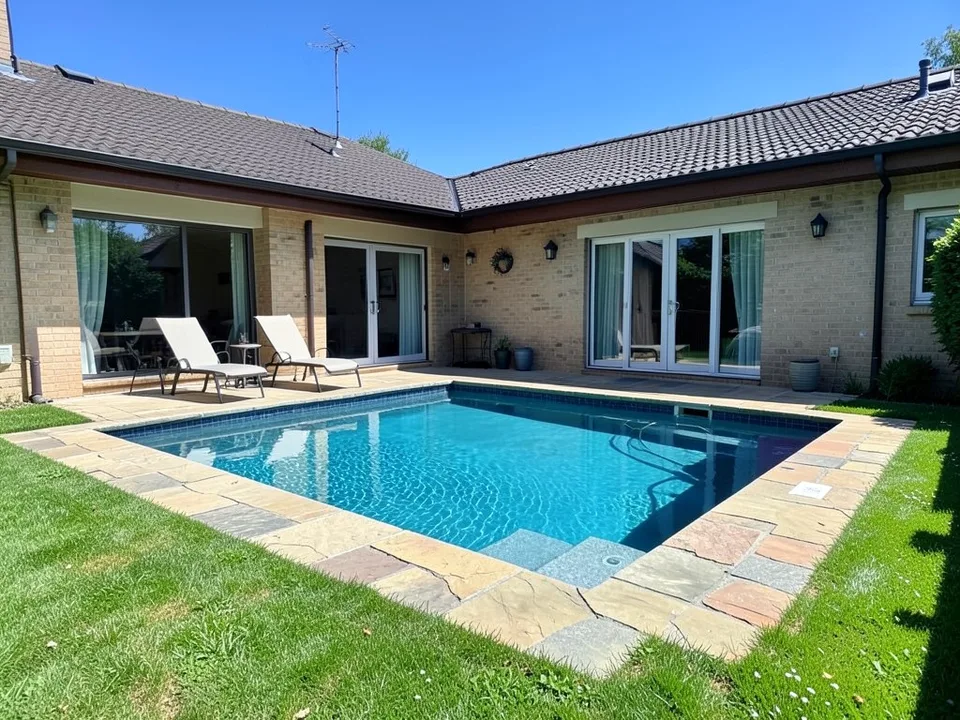
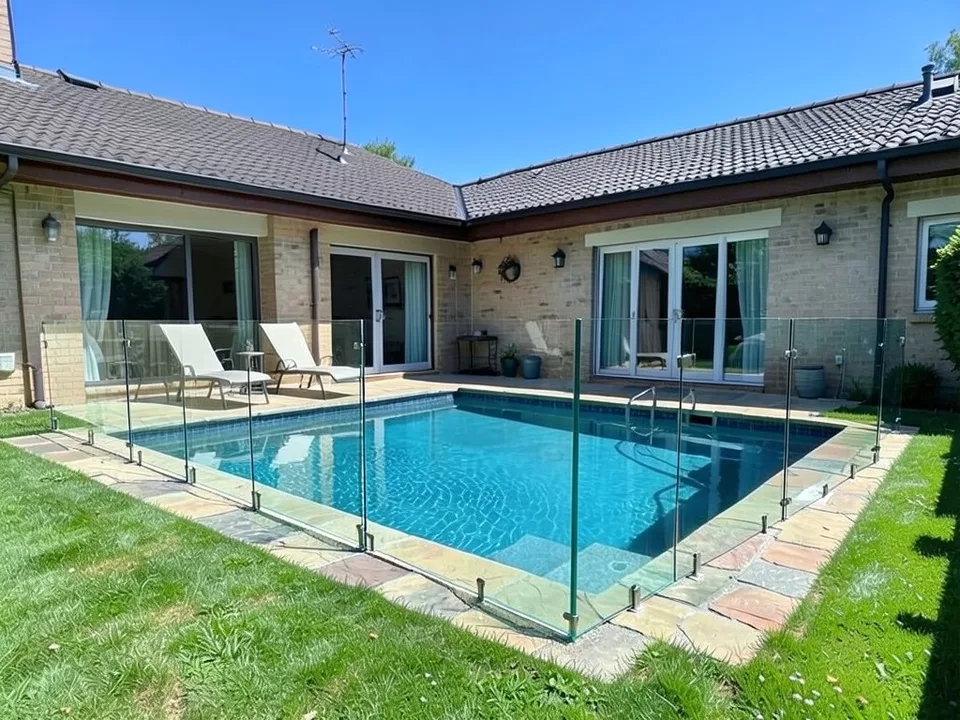
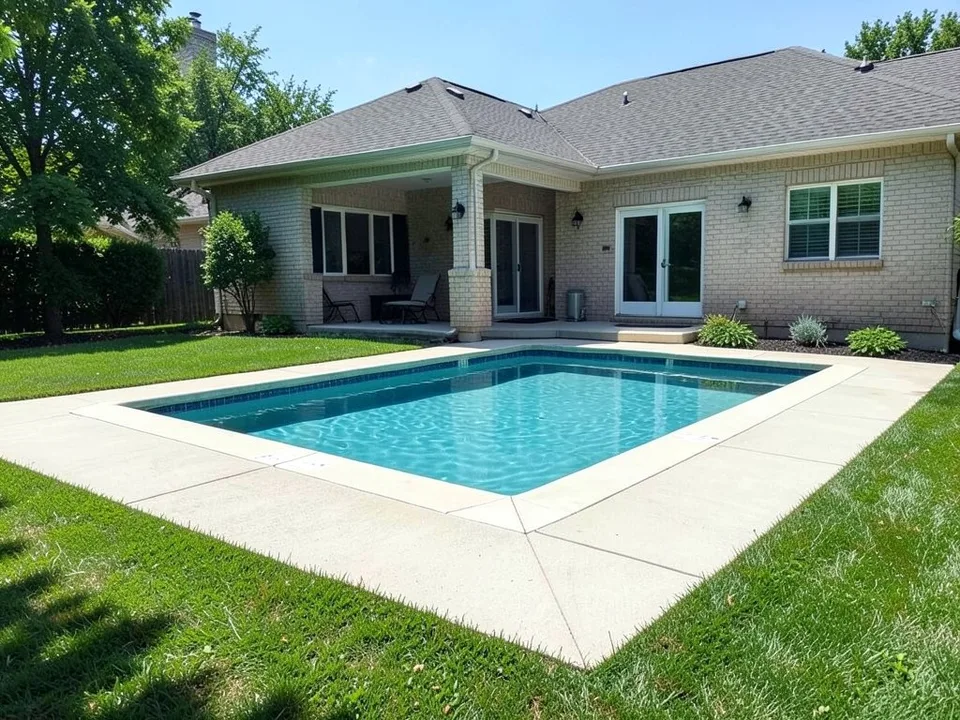
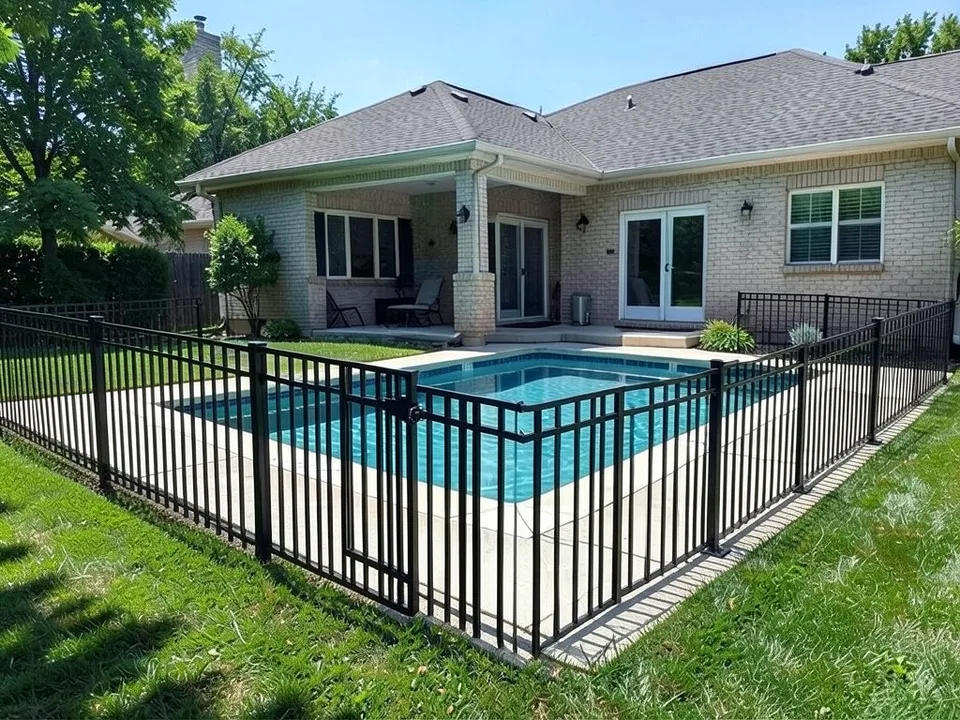
These are the exact instructions we used for the four examples above, in the same order. In the landscape tool, choose Custom, paste one into the Custom Design Requirements box, then upload your photo. Swap in your own feature, plant, spot and what must stay.
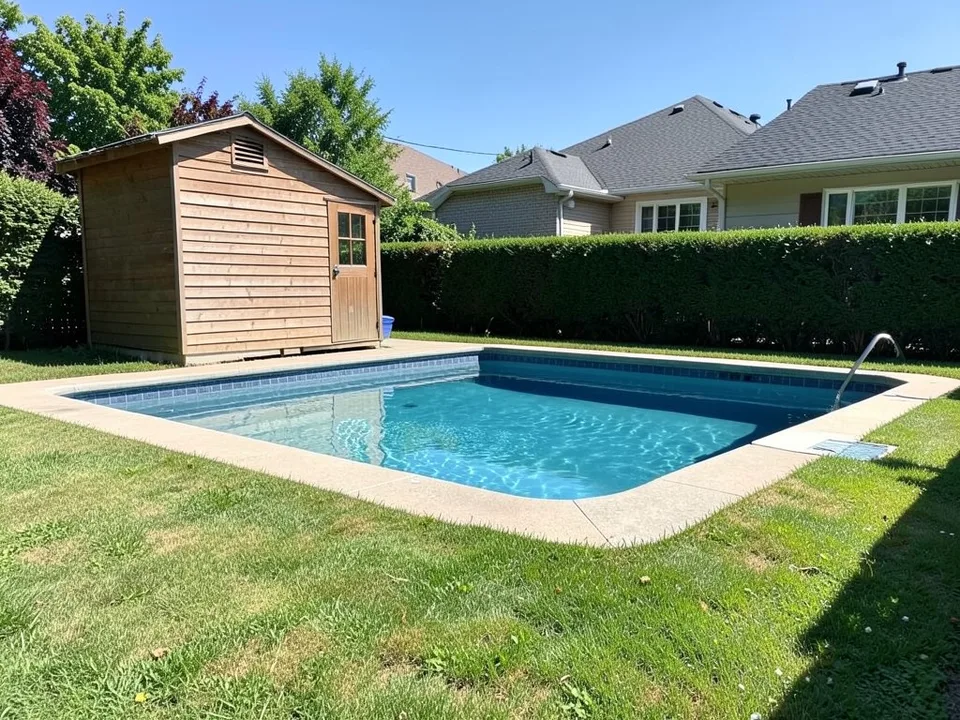
- Add a frameless glass pool fence made of clear tall glass panels with slim steel spigots along the whole edge of the pool area, including a glass gate, so the pool is enclosed but still fully visible through the glass. Keep the pool, paving, house and everything else exactly the same. Same camera angle.
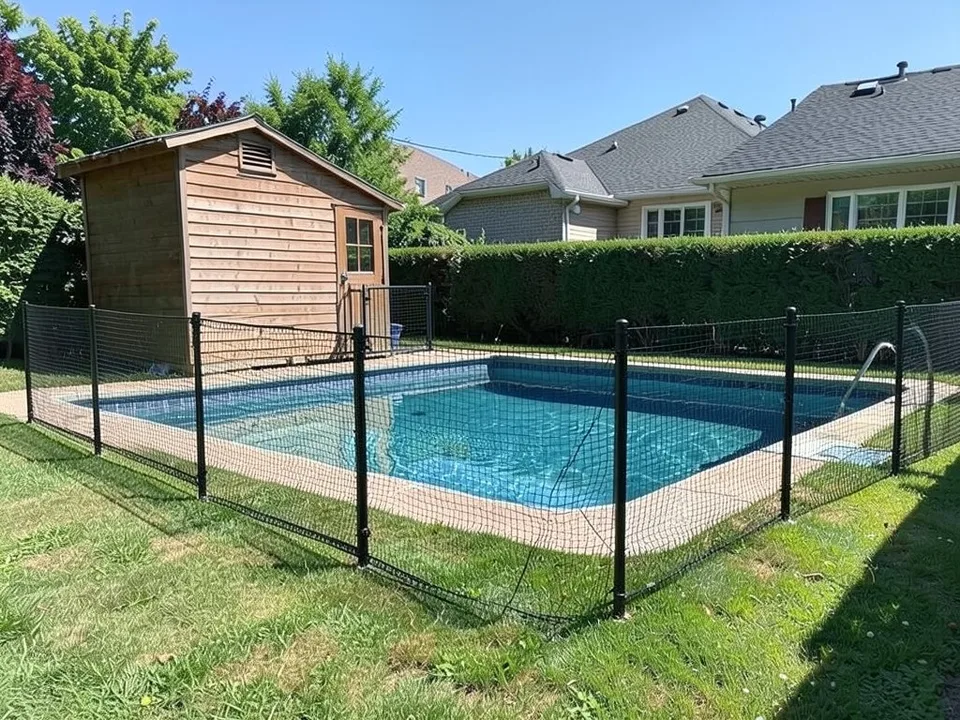
- Add a black aluminum picket pool fence with vertical bars, about four feet high, with small gaps between the bars, running all the way around the pool area with a matching self-closing gate near the house. Keep the pool, paving, house and everything else exactly the same. Same camera angle.
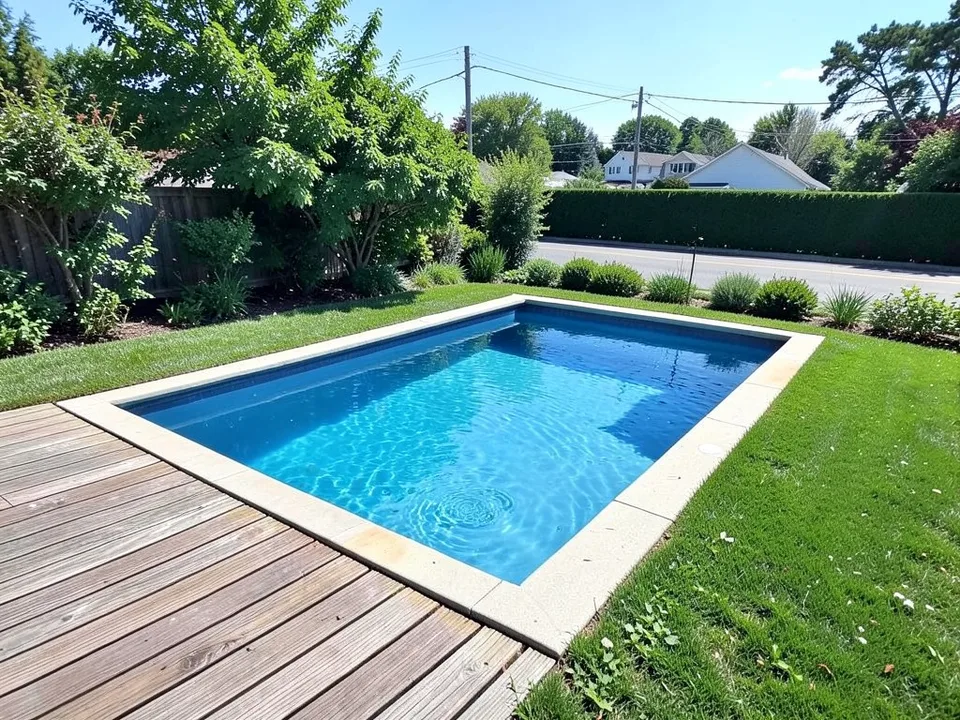
- Add a removable black mesh pool fence on slim posts, about four feet high, around the whole pool area on the lawn, with a small mesh gate on the house side. Keep the pool, paving, house and everything else exactly the same. Same camera angle.
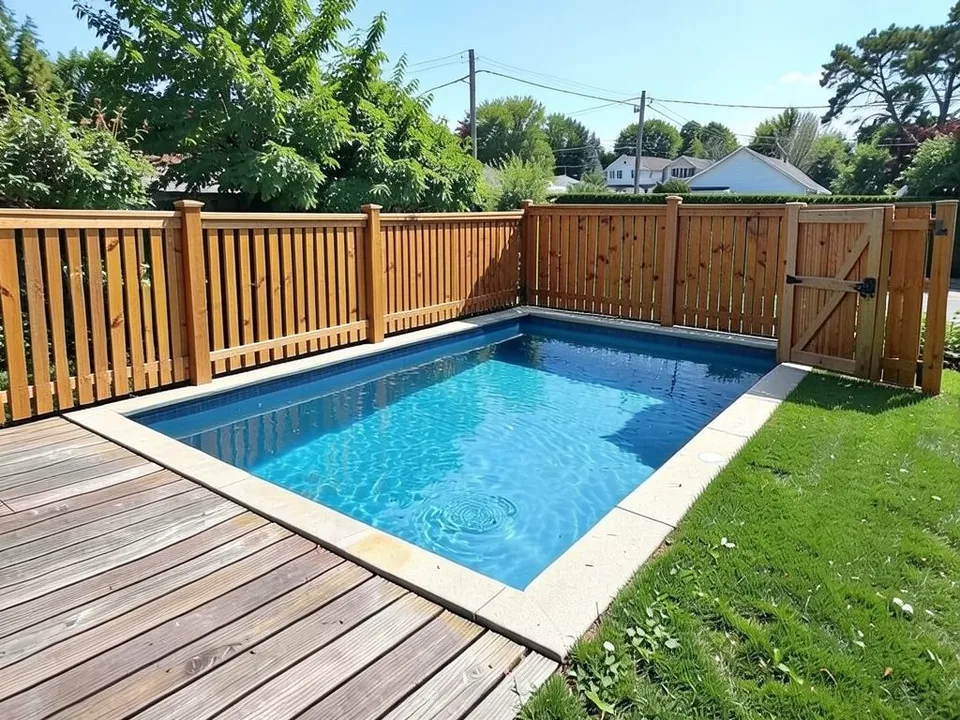
- Add a tall horizontal slat wooden pool fence in warm cedar with narrow gaps, about five feet high, all around the pool and deck area with a matching wooden gate, giving privacy from the street side. Keep the pool, paving, house and everything else exactly the same. Same camera angle.
Frequently asked questions
What are the best pool fence ideas?
It depends on the yard. Guides most often name glass for a clear view, aluminum or wrought iron for a low-maintenance classic look, mesh for a removable and budget option, and wood or stone for privacy. Pick the style, then check it meets your local barrier code.
How tall does a pool fence have to be?
The CPSC guidance recommends at least 48 inches, measured on the outside of the barrier. Local codes decide the real number, and some places require more, so ask your building department.
How small do the gaps in a pool fence need to be?
The CPSC guidance says openings should not let a 4-inch sphere pass and the gap under the fence should not exceed 4 inches. Your local code may set tighter limits.
Does a pool gate need to be self-closing?
The CPSC says gates should open away from the pool and be self-closing and self-latching. Check how your local code words it before you buy.
Is a glass pool fence safe?
A glass fence can work as a barrier when it is built to the local code, with the right height, a latching gate and no foothold on the outside. Its main advantage is the open view of the pool. Ask an installer for glass rated for the use.
Can I use a removable mesh fence?
Many places accept a removable mesh fence as a pool barrier when it meets the height, gap and gate rules, and it lets you keep the paving free of permanent post holes. Ask your building department what they accept.
Which pool fence gives the most privacy?
A solid wood fence, a tall slat fence or a masonry wall gives the most privacy. Check that the design has no horizontal rails on the outside that a child can climb.
Can the AI show a pool fence on my own pool photo?
Yes. Upload a photo in Custom mode, name the fence type, height, colour and where the gate goes, and say what must stay the same. You get 1 free render with a free account. It may draw the fence taller or shorter than real, so check the result and rely on your local code and an installer for the details.
More pool and fence ideas
If your photo is dark or soft, run it through the AI photo enhancer first, then bring it back here. The exterior design tool covers the house itself. You can read more about who builds these tools on our about page.
For more, browse all of our landscaping ideas, sorted into front yards, backyards, patios, gardens, pools, styles and regions.