
Herb garden layouts, with real sizes
Most herb garden ideas come down to a handful of layouts. Here is what extension services and garden writers say about the ones in the pictures above.
- Kitchen garden: Put it as close to the kitchen as possible and away from road dust (University of New Hampshire), for example outside the kitchen window or along the patio (Illinois Extension). Penn State Extension says a 20 by 4 foot kitchen garden is generally enough.
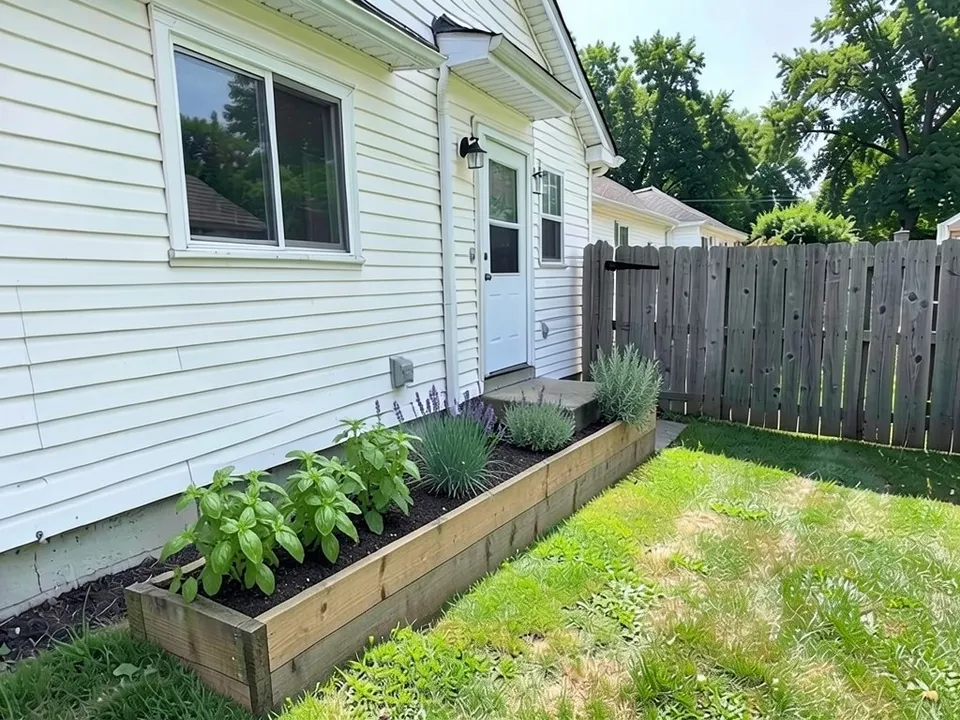
- Raised bed: Illinois and UMD Extension suggest raised beds where the soil drains poorly. The Old Farmer's Almanac's herb garden plans use beds 4 feet wide: 10 by 4, 15 by 4 and 18 by 4 feet.
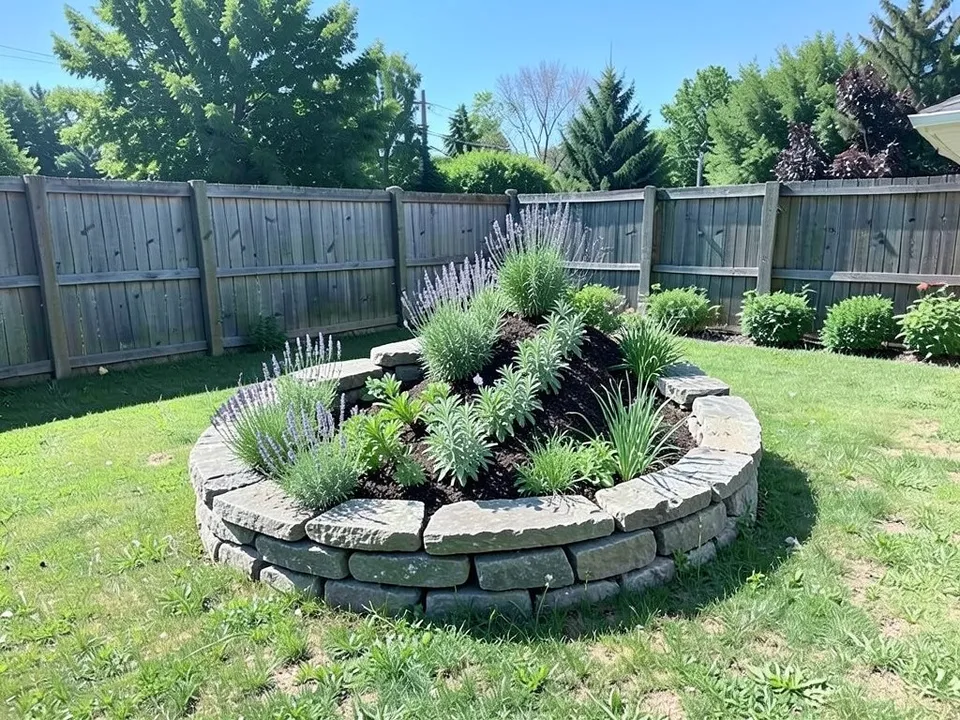
- Herb spiral: A mound with a stone wall that coils up to a high center. UF/IFAS Extension gives a typical width of six feet, with drought-tolerant herbs at the top and water-loving herbs toward the bottom. University of Maryland's Maryland Grows adds that the moister soil near the bottom suits annuals like basil.
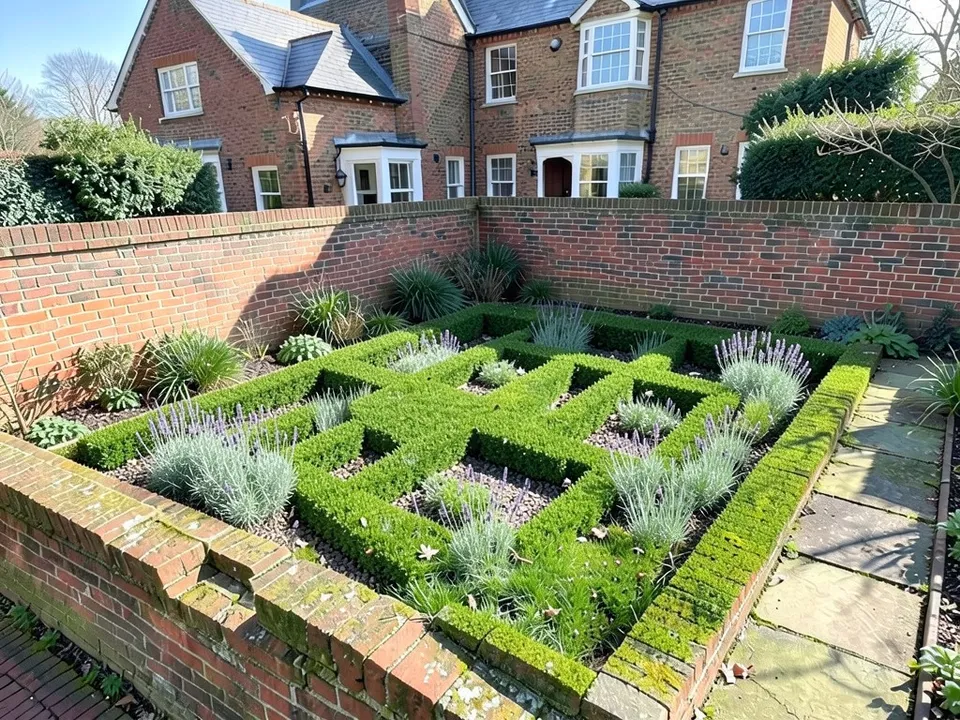
- Knot garden: Geometric beds divided by low hedges, borders or edgings (Penn State). Mississippi State Extension says knot beds were edged with box or other dwarf evergreens, and suggests planning the beds on graph paper and laying brick-in-sand paths.
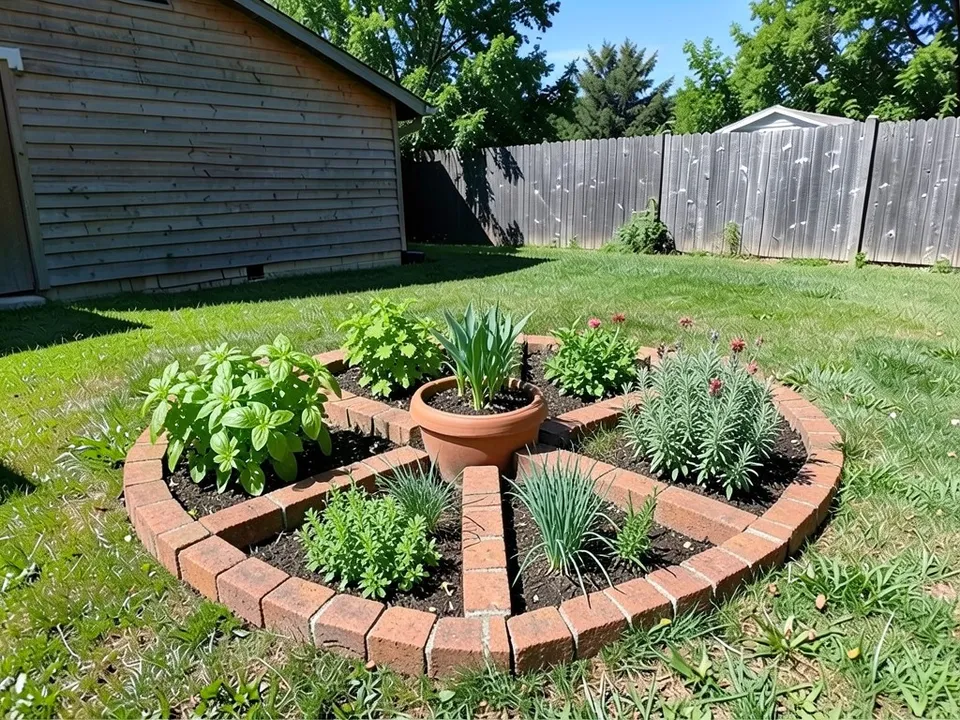
- Cartwheel: Gardeners' World suggests a cartwheel or a chessboard pattern for a small herb plot.
How much sun an herb garden needs, and herbs for shade
Almost all herbs need at least six hours of sun a day (Clemson Extension), and Iowa State Extension says six hours or more is best. Some herbs tolerate part sun of 2 to 4 hours, though Iowa State says it is not ideal. If your only spot gets less, these are the herbs the sources name for part shade:
- Prefer part shade: Parsley and mint (Clemson Extension).
- Sun to part shade: Cilantro, lemon balm, bay and lemongrass (Clemson Extension).
- Light shade: Chervil, mint, chives and cilantro (UMD Extension).
- Sun or part shade: Parsley (RHS); parsley, chives, cilantro and mint (Bob Vila).
Herb spacing chart: height, spacing and sun for 11 herbs
None of the ranking idea pages gives spacing, so here it is from NC State Extension's herb guide. Mint covers spearmint (18 inches) and peppermint (36 inches). Which herbs are annual or perennial is further down.
| Herb | Height | Spacing | Light |
|---|---|---|---|
| Basil | 20–24 in | 6–12 in | Sun |
| Parsley | 6–18 in | 6 in | Sun |
| Chives | 12 in | 12 in | Sun, part shade |
| Thyme | 4–12 in | 6–12 in | Sun |
| Oregano | 24 in | 8–12 in | Sun |
| Sage | Not clear* | 12 in | Sun |
| Rosemary | 3–6 ft | 12 in | Sun |
| Mint | 18–36 in | 18 in | Sun, part shade |
| Cilantro | 24–36 in | 12–18 in | Sun, part shade |
| Dill | 3–5 ft | 3–12 in | Sun, part shade |
| Lavender | 24–36 in | 18 in | Sun |
*The NC State guide misprints the height of sage, so we leave it out. UConn Extension gives similar spacing for basil (6 to 12 inches) and thyme (8 to 12 inches). Penn State says rosemary can reach 2 to 6 feet tall and wide.
Soil, drainage and feeding for herbs
- Drainage first: UMD Extension calls drainage probably the most important single factor in growing herbs. On clay, it suggests a raised bed rather than mixing in sand.
- Improving clay: Work 2 to 3 inches of pine bark, pea gravel or compost into the top 8 to 12 inches (Clemson Extension).
- pH: Clemson gives a pH of 6 to 7; UConn says most culinary herbs prefer 6.5 to 7.0.
- Go easy on fertilizer: Most herbs do not need a highly fertile soil (Clemson). Too much fertilizer produces lots of foliage that is low in flavor (Iowa State), and over-fertilizing can lower the plant's essential oil content (UMD). NC State says to apply balanced fertilizers sparingly.
Group herbs by water: a dry side and a moist side
Idea lists often say to group herbs by water without saying which go together. NC State Extension says to group them by light, irrigation and soil. In practice that means two groups:
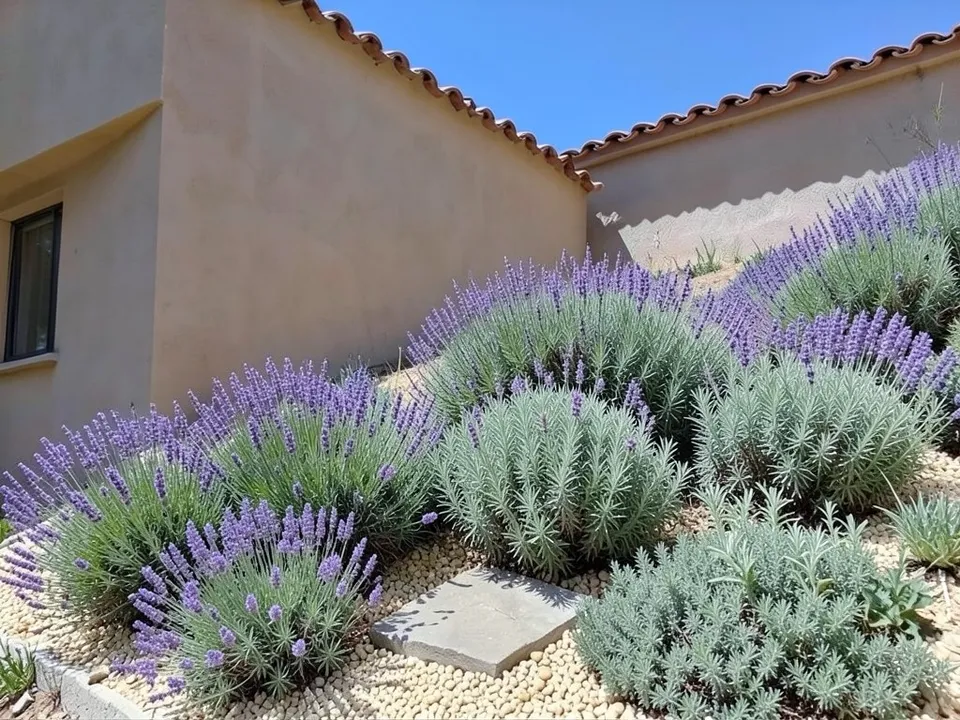
- Dry, sunny and gravelly: Rosemary, thyme and sage, which Clemson lists for dry soil, and lavender and oregano, which NC State lists with rosemary and thyme as Mediterranean natives that want excellent drainage and bright sun. Penn State says Mediterranean herbs thrive in well-drained, dry, gravelly soil. Example 7 is this group.
- Moist: Mint and lemongrass, which Clemson calls moisture lovers, and annuals such as basil, dill and cilantro: Illinois Extension says annual herbs do better with moist soil, while established perennials tolerate soil that dries out between waterings.
An herb spiral builds both groups into one bed: dry at the top, moist at the bottom (UF/IFAS).
How to keep mint from taking over
Penn State Extension says that without a barrier, mints will take over neighboring plots. Its fix: plant mint in a 3 to 5 gallon pot with drainage holes, or with the bottom cut out, and sink it so the rim sits about an inch above the ground. UConn Extension suggests the same thing with a bottomless five-gallon bucket.
Which herbs come back every year
- Annuals (replant each year): Basil, chervil, coriander (cilantro), dill, anise and summer savory (Penn State).
- Biennials: Parsley and caraway (Penn State).
- Perennials: Chives, mint and thyme (Penn State); lavender, oregano and sage (Iowa State). Utah State says English lavender is hardy to zone 5.
- Rosemary: A tender perennial (Iowa State), hardy in USDA zones 8 to 10. Penn State names 'Arp', 'Athens Blue Spire', 'Madalene Hill' and 'Miss Jessop's Upright' as reaching zone 7 or 6b with protection.
Harvesting herbs
- When: Early in the morning, after the dew dries (Clemson). Flavor peaks just as flower buds appear, before they open (Iowa State).
- How much: No more than one-third of a perennial herb's growth at a time (Iowa State, UConn, University of New Hampshire). Annuals can be cut back to about 4 inches (University of New Hampshire).
- Woody herbs: Do not cut woody herbs back after August (University of New Hampshire).
How to try an herb garden on a photo of your yard
- Take a photo of the spot from where you would normally stand, in daylight, with the whole area in frame.
- Open the landscape tool, choose Custom, and paste one of the instructions below into the Custom Design Requirements box.
- Change the layout, the herbs and what must stay, then generate.
- If it misses something, as every one of our examples did in some detail, reword that part and run it again.
The picture shows the look and the arrangement. It does not measure your space, so check spacing against the chart above before you plant.
Herb garden instructions to paste into Custom mode
These are the exact instructions we used for the 8 examples above, in the same order. In the landscape tool, choose Custom, paste one into the Custom Design Requirements box, then upload a photo of your yard, patio or window. Swap in your own layout, herbs and what must stay.
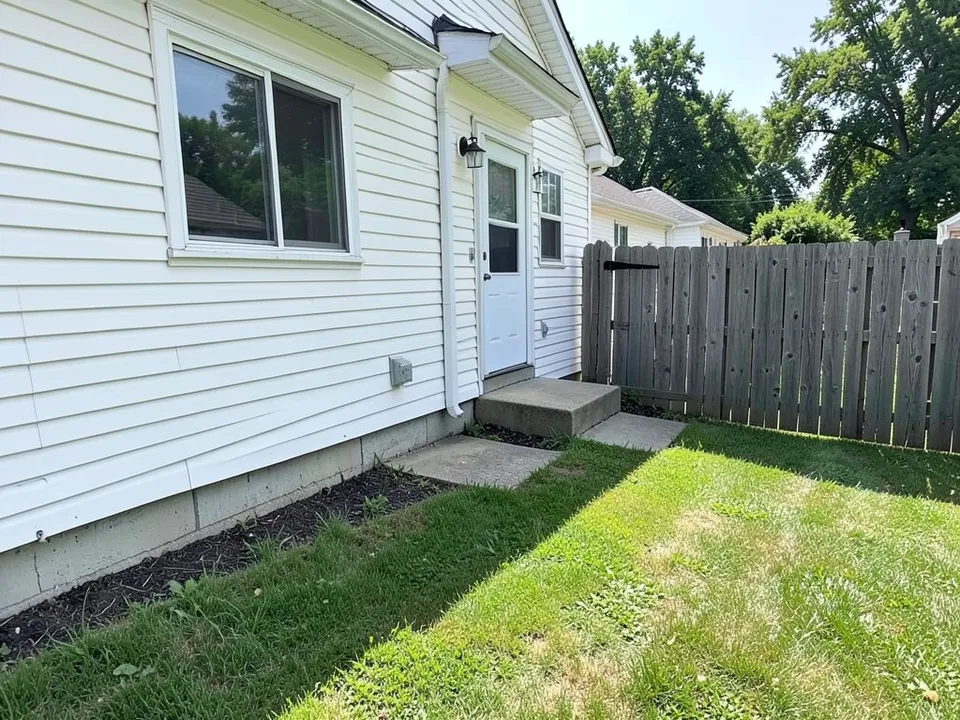
- Change ONLY the strip of lawn beside the door: add one long low cedar raised bed about one foot tall filled with dark soil and planted in neat clumps of basil, flat-leaf parsley, chives with purple flowers, thyme, sage and a rosemary bush at the end. Keep the house, the door, the step, the kitchen window, the fence and the camera angle exactly the same.
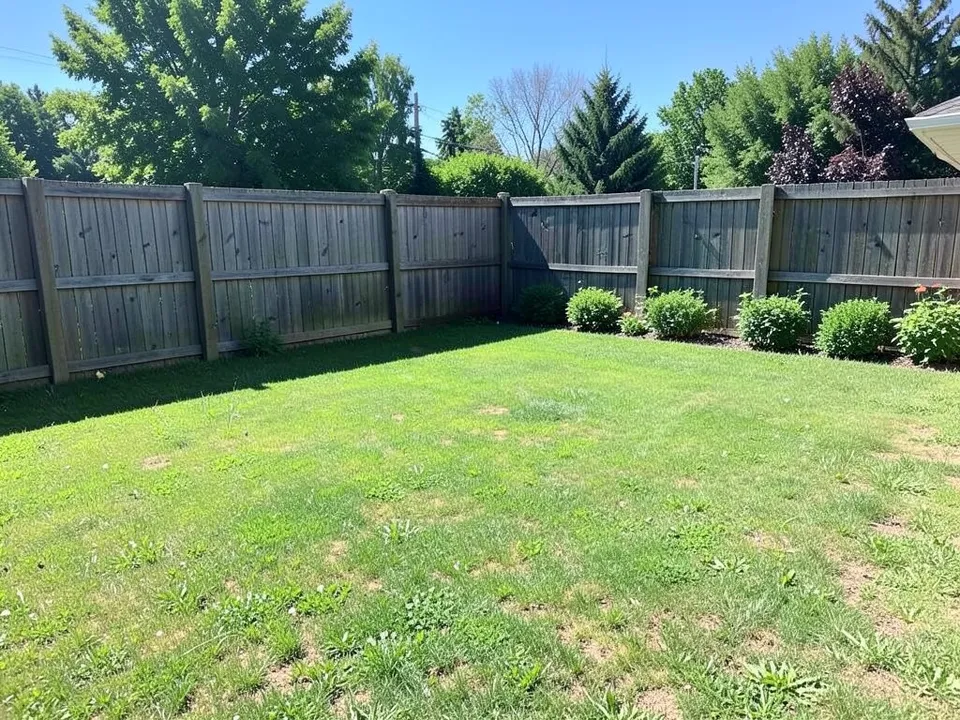
- Add ONLY a stone herb spiral on the lawn: one low dry-stone wall of grey stones that coils inward like a snail shell, starting at ground level on the outside and climbing step by step to a tall center about three feet high, so the soil inside forms a rising spiral ramp. Plant rosemary and lavender at the high center, thyme, sage and oregano partway down the coil, and parsley and chives at the low outer end. Keep the lawn around it, the fence, the shrubs and the camera angle exactly the same.
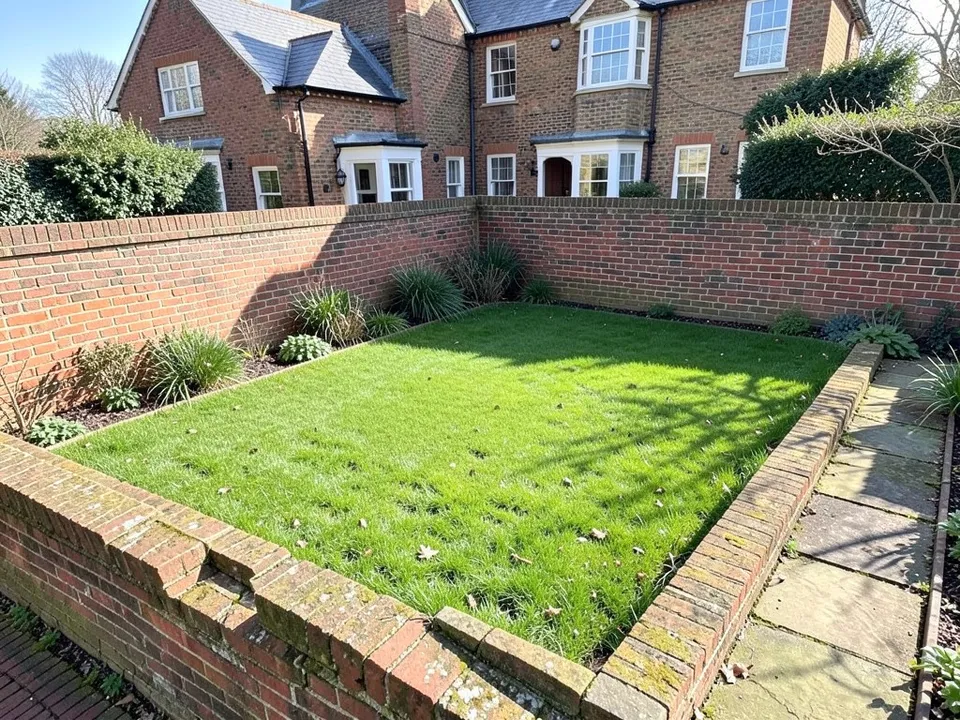
- Change ONLY the lawn into a formal herb knot garden: low clipped green boxwood hedges about one foot tall forming interlocking square and diamond patterns, the spaces between filled with lavender, silver sage, thyme and chives, with pale gravel around the knot. Keep the brick wall, the stone path and the camera angle exactly the same.
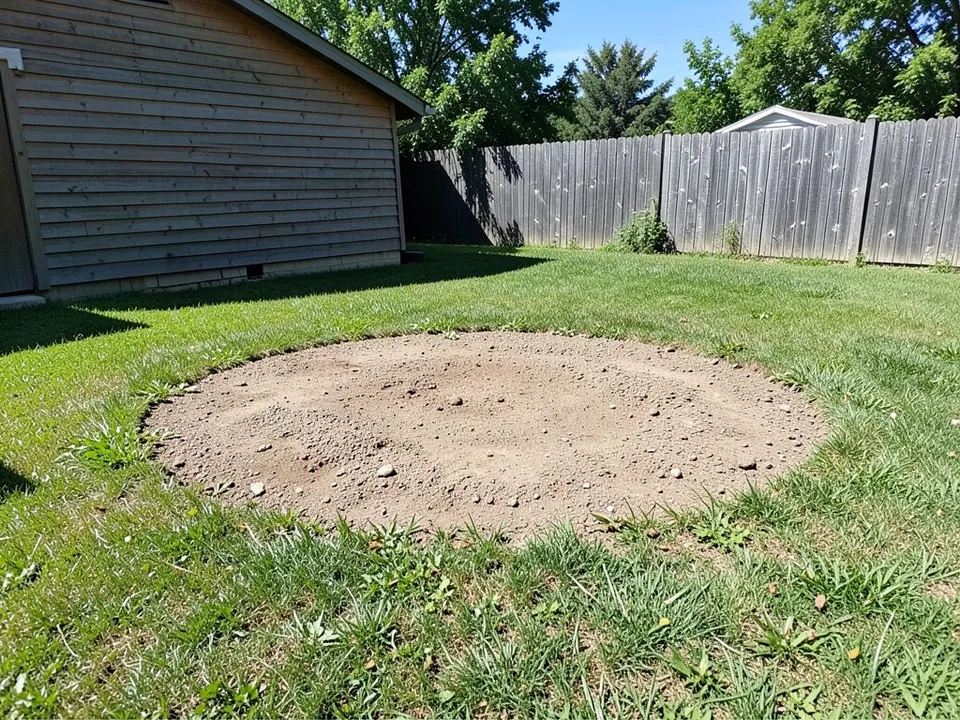
- Change ONLY the bare soil circle into a cartwheel herb garden: a ring of red bricks around the edge and six straight brick spokes from a center pot, dividing it into six wedge-shaped beds, each planted with a different herb: basil, parsley, chives, thyme, sage and oregano. Keep the lawn, the shed, the fence and the camera angle exactly the same.
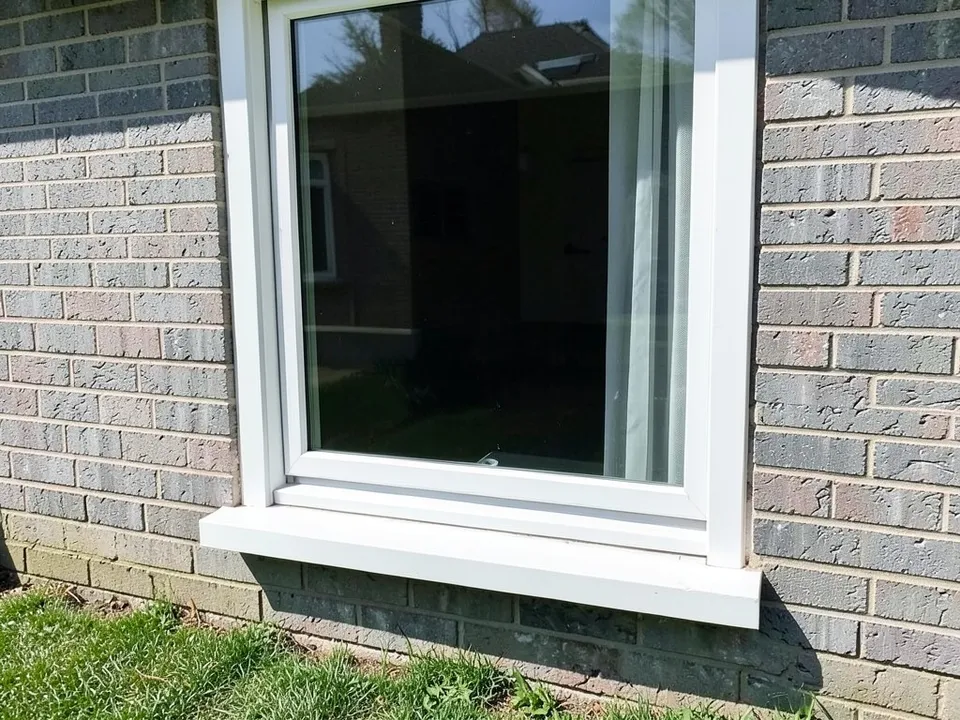
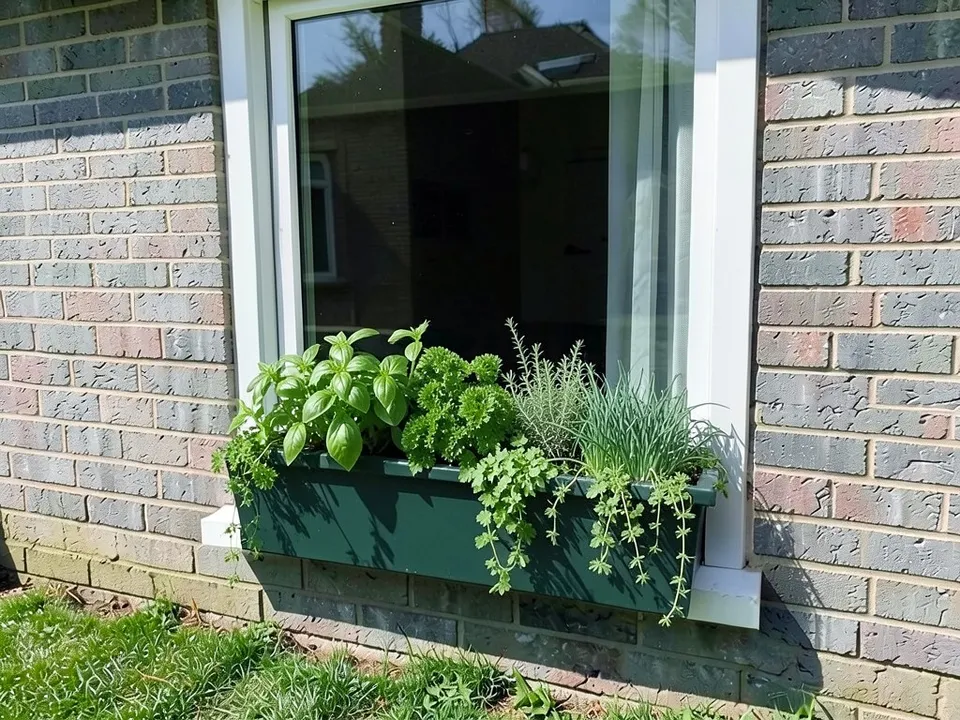
- Add ONLY a long dark green metal window box fixed under the window sill, planted with basil, curly parsley, chives, thyme and trailing oregano spilling over the front. Keep the brick wall, the window, the frame, the lawn and the camera angle exactly the same.
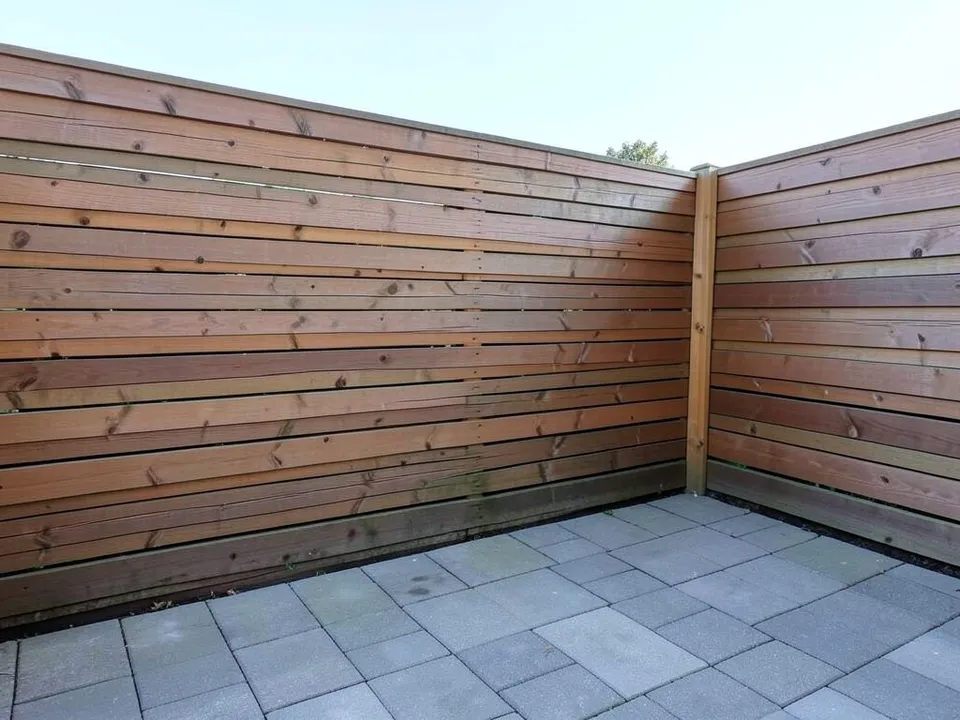
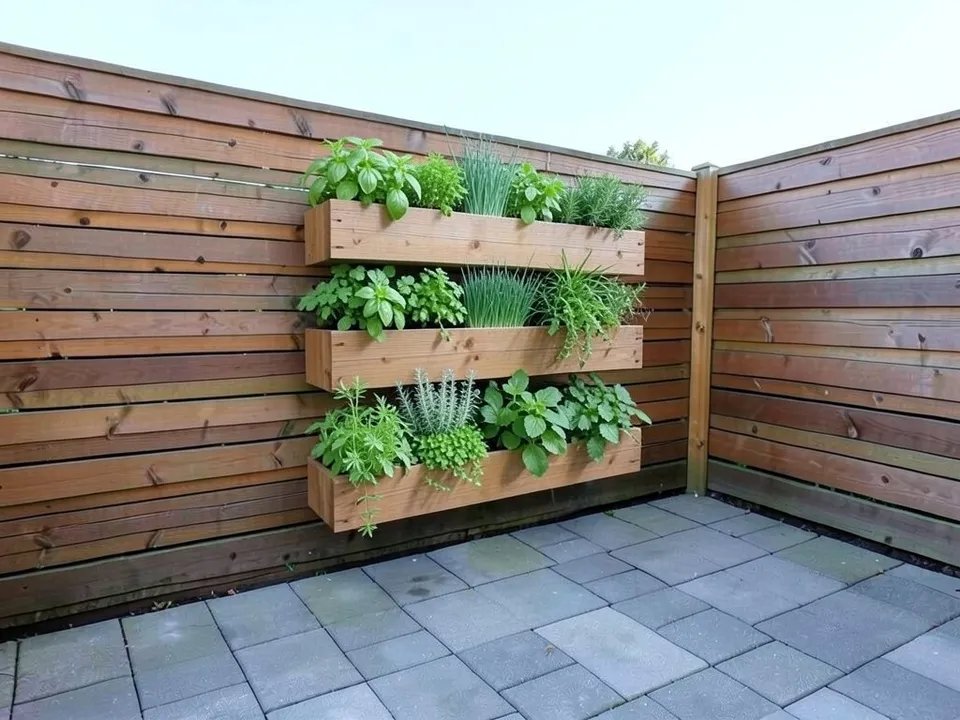
- Add ONLY a vertical herb garden on the fence: three rows of long cedar planter boxes mounted one above the other on the fence, planted with basil, parsley, chives, thyme, mint and cilantro. Keep the fence boards, the pavers and the camera angle exactly the same.
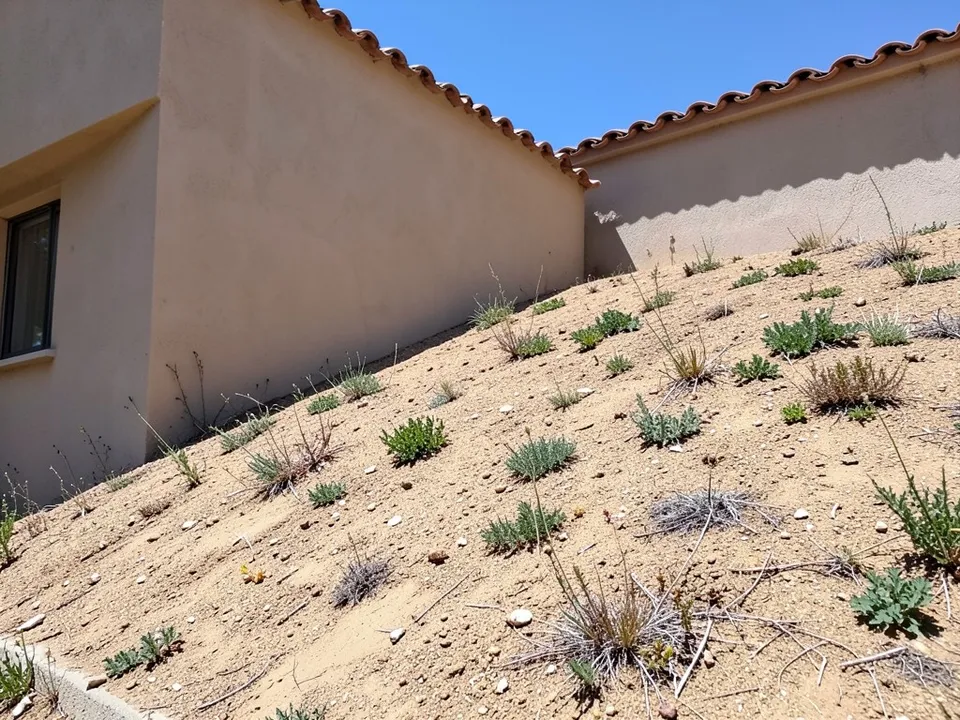
- Change the WHOLE dirt bank into a planted Mediterranean herb garden: remove all the weeds, cover all of the soil with pale cream gravel, and plant it densely from top to bottom with large drifts of purple flowering lavender, big rosemary bushes, mounds of grey-green sage, mats of creeping thyme and oregano, and a few flat stepping stones. Keep the stucco house wall, the window, the terracotta roof edge, the sky and the camera angle exactly the same.
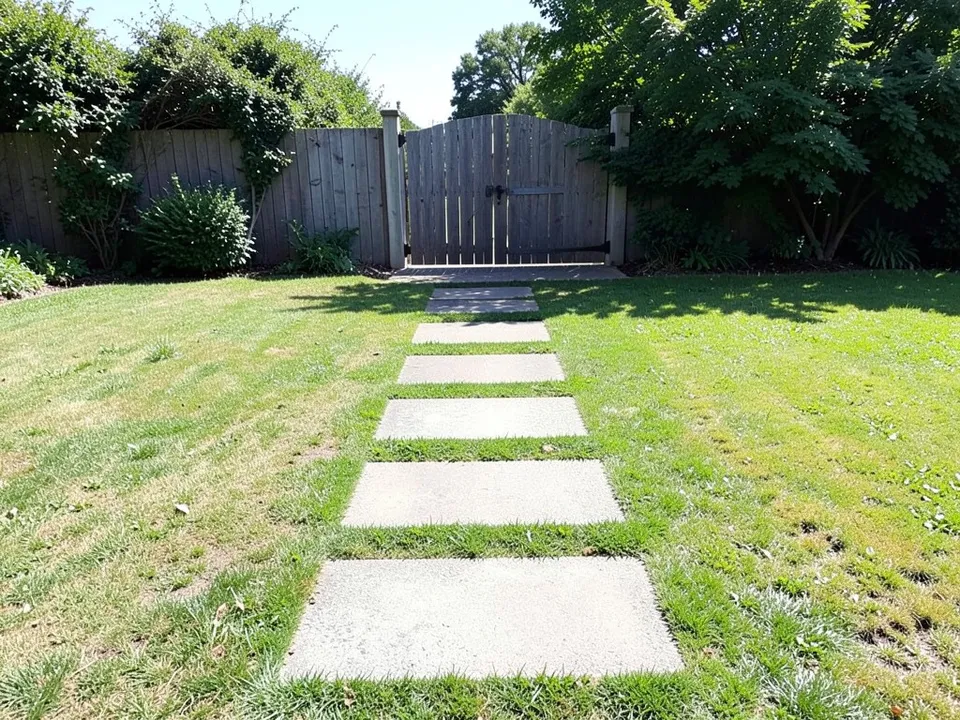
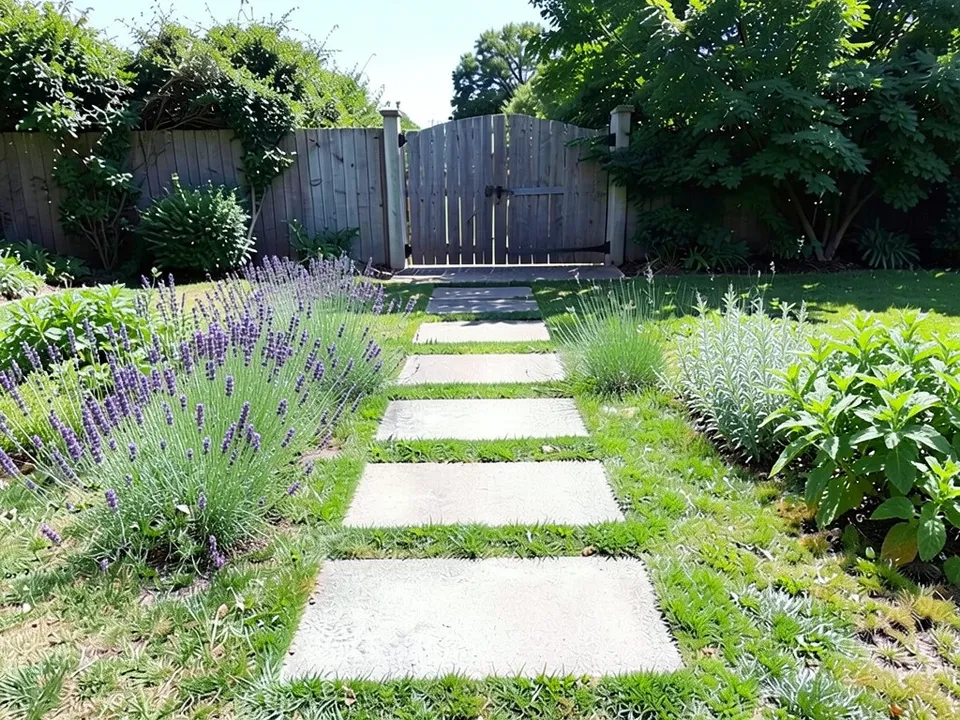
- Change ONLY the lawn on both sides of the stepping stones: replace it with herb borders of lavender, chives with purple flowers, sage and oregano, and fill the gaps between the stepping stones with low creeping thyme. Keep the stepping stones, the gate and the camera angle exactly the same.
Herb garden questions
How much sun does an herb garden need?
At least six hours of direct sun a day for almost all herbs (Clemson Extension). Some tolerate part sun of 2 to 4 hours, though Iowa State Extension says it is not ideal.
Which herbs grow in shade?
Parsley and mint prefer part shade, and cilantro, lemon balm, bay and lemongrass take sun to part shade (Clemson Extension). UMD Extension says chervil, mint, chives and cilantro can be grown in light shade.
How far apart should I plant herbs?
NC State Extension gives 6 to 12 inches for basil and thyme, 6 inches for parsley, 12 inches for chives, sage and rosemary, 18 inches for mint and lavender, and 12 to 18 inches for cilantro. Utah State gives 18 to 24 inches for English lavender. The full chart is above.
How do I stop mint from spreading?
Plant it in a 3 to 5 gallon pot with drainage holes, or with the bottom removed, sunk so the rim is about an inch above the ground (Penn State Extension). UConn suggests a bottomless five-gallon bucket sunk into the ground.
Should I fertilize herbs?
Lightly. Most herbs do not need a highly fertile soil (Clemson), and too much fertilizer gives lots of leaves with less flavor (Iowa State). NC State says to apply balanced fertilizers sparingly.
What is an herb spiral?
A mound with a stone wall that coils up to a high center, so one bed has a dry, sunny top and a moister bottom. UF/IFAS Extension gives a typical width of six feet, with drought-tolerant herbs at the top and water-loving herbs at the bottom.
Which herbs come back every year?
Chives, mint and thyme (Penn State), and lavender, oregano and sage (Iowa State) are perennials. Rosemary is a tender perennial, hardy in zones 8 to 10. Basil, cilantro and dill are annuals, and parsley is a biennial (Penn State).
Can I see an herb garden on a photo of my own yard?
Yes. Upload a photo to the landscape tool, choose Custom, and describe the herb garden: the layout, the herbs and what must stay. The result is a picture for planning, not a measured plan.
Is the herb garden tool free?
You need an account, and it is free: 1 free render with a free account (sign in with Google or an email code). More renders come with a paid plan.
Sources for the herb garden facts
- Clemson Cooperative Extension, Home & Garden Information Center: Herbs (HGIC 1311)
- Iowa State University Extension, What growing conditions do herbs need?
- Iowa State University Extension, Growing, harvesting and drying herbs
- University of Maryland Extension, Care of herbs and starting herbs from seed
- University of Maryland Extension, Maryland Grows: Build an herb spiral
- University of Illinois Extension, Growing herbs
- UConn Home & Garden Education Center, A guide to growing herbs
- NC State Extension, Herbs in the home garden (HIL-8110, PDF)
- Utah State University Extension, English lavender in the garden
- Penn State Extension, Growing herbs in the garden
- Penn State Extension, Herb garden plants: rosemary
- UF/IFAS Gardening Solutions, Spiral herb garden
- University of New Hampshire Extension, Master Gardener manual: herbs (PDF)
- Mississippi State University Extension, Herb gardens for Mississippi
- Royal Horticultural Society, Growing herbs
- BBC Gardeners' World, How to create a herb garden
- The Old Farmer's Almanac, Herb garden plans
- Bob Vila, Herb garden ideas